
The world knows him as the man who speaks for nature, a steady voice for the wild things that cannot speak for themselves. But inside his own home, Chris Packham was facing a silent, rising crisis involving his most loyal companions.
His two poodles, Sid and Nancy, were his shadows, yet a routine check-up with the vet brought back news that no pet owner wants to hear. It was a moment of realization that felt like a heavy weight in the middle of a quiet room.
The blood tests were not just a little off, they were a flashing red light for Sid in particular. The six-year-old dog was carrying a level of fat in his blood that threatened to derail his health entirely at any moment.
But the fear of the unknown was quickly replaced by a radical plan to save a life.
The data showed a staggering 73% increase in blood fats and bile acids, a combination that pointed toward a failing system. Packham looked at his friend and realized the meat-heavy diet they loved was actually a slow poison.
Worries about liver and kidney function led to urgent ultrasounds, with the vet delivering a clear and final ultimatum. They had to change everything immediately or face the very real threat of agonizing, life-threatening pancreatitis.
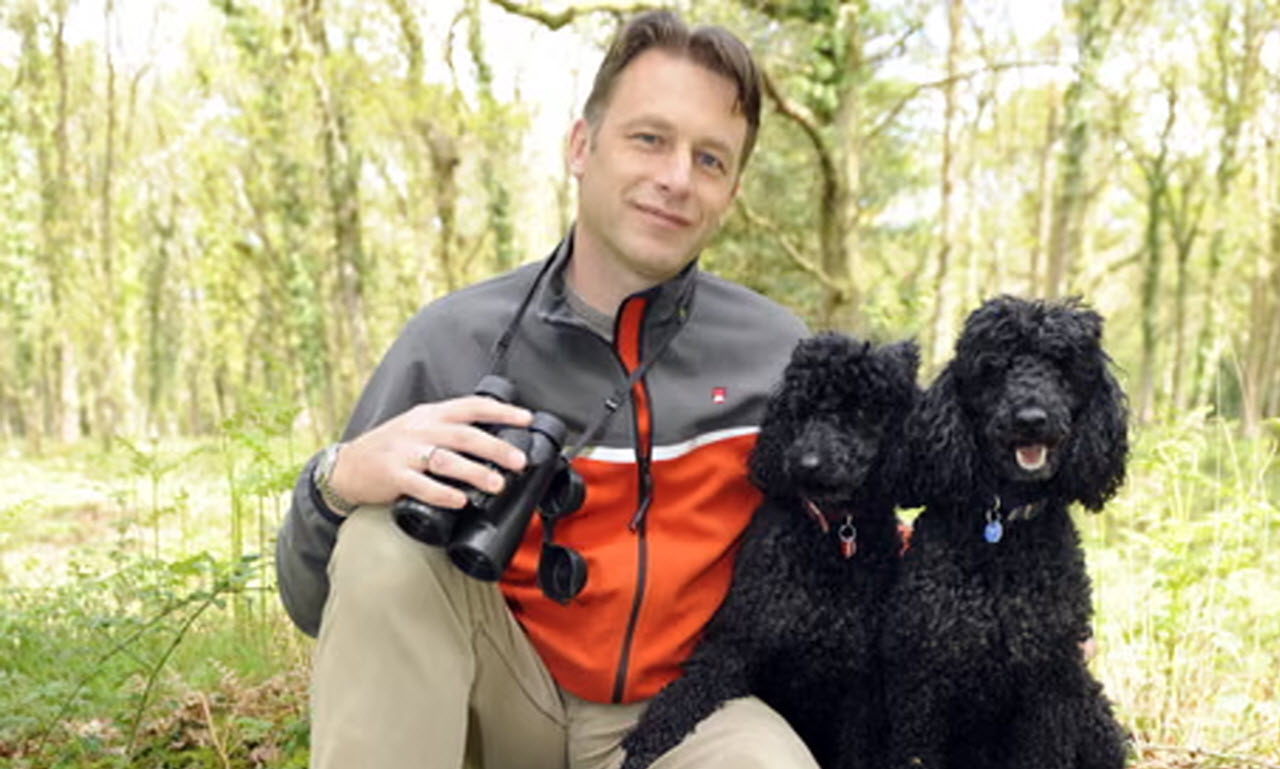
So the presenter turned toward a solution that many traditionalists would find controversial or even impossible. He decided to transition both Sid and Nancy to a strictly plant-based, vet-formulated diet during the month of Veganuary.
The heavy silence of the clinic was replaced by the ticking of a countdown to a total dietary overhaul.
And the results of this experiment were nothing short of a biological miracle for a dog who was previously on the brink. After only ninety days on the new regime, the follow-up blood work left the medical team in a state of absolute shock.
The dangerous fats in Sid’s blood had plummeted by 73%, matching the exact percentage of the previous elevation in a stunning reversal. His bile acid improved by 39%, while the markers for liver stress dropped by a massive 70%.
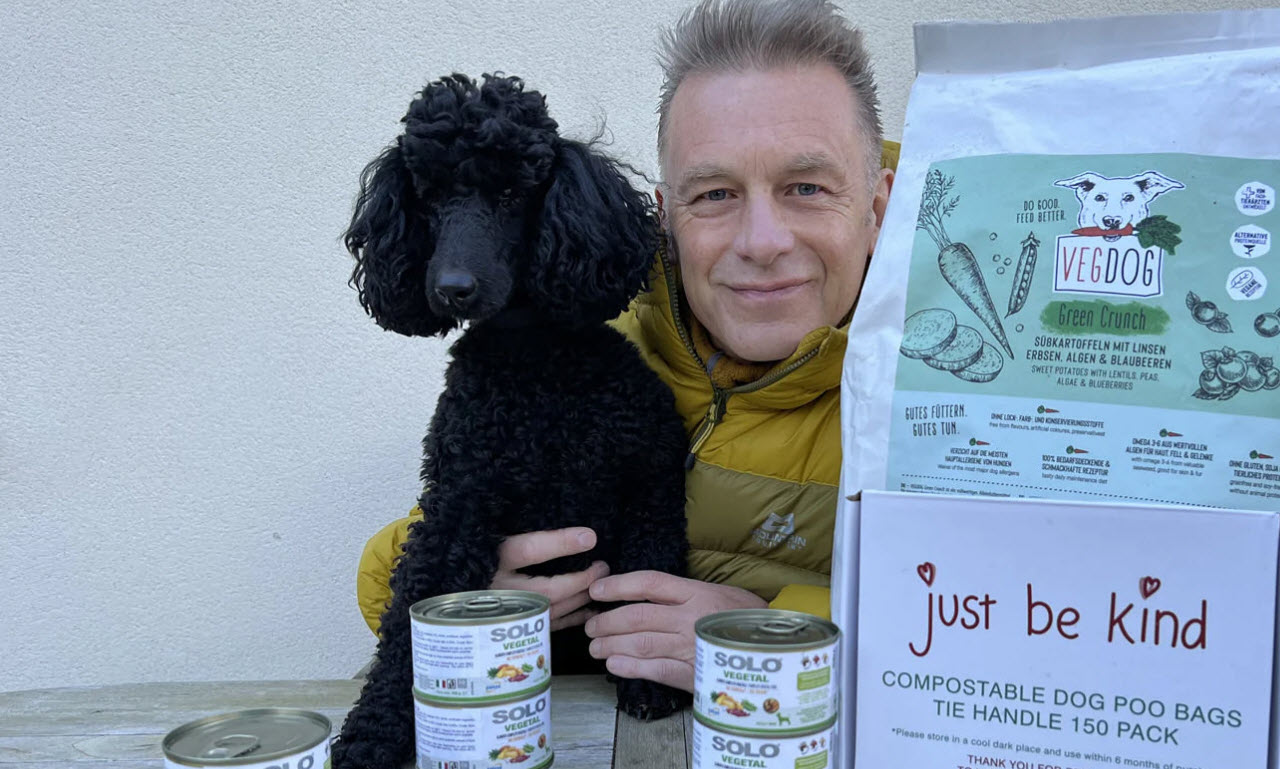
It was not just the numbers on a lab report that began to shift, as the physical transformation was visible to the naked eye. The weepy eyes that had plagued the poodle for years simply dried up and vanished after only two short weeks.
His claws grew thick and strong, losing the brittleness that had been a constant worry during their long walks together.
The transformation was etched into every movement of his rejuvenated body.
Packham noticed a significant change in the dogs’ daily energy levels and even the quality of their digestion and stool. Despite the shift away from raw meat, the poodles showed a greater appetite than they ever had before the big change.
The morning ritual now consists of dry, nutritionally complete food paired with dental sticks to keep their teeth white and clean. By the evening, they feast on wet plant-based meals that provide every vitamin and mineral their canine bodies require.
The presenter noted that the switch also solved a practical problem that had always frustrated him in the kitchen. Raw meat has a tiny window of safety, often going to waste and being tossed to the foxes if not eaten instantly.
The carbon footprint of the household began to shrink as the health of the dogs began to soar.
But for Packham, this was about more than just his own living room or the convenience of a longer shelf life. He sees the move as a necessary response to a planet currently facing a biodiversity crisis and total climate breakdown.
He believes we must look for every possible opportunity to play a positive role instead of contributing to the ongoing damage. If the science shows a healthier path for the animal and the earth, he argues that the choice is clear.
He is now urging other pet owners to look at the evidence and consider making the jump for their own furry friends. It is a suggestion born from a place of deep love and the relief of seeing a best friend get a second chance.
The bowl is no longer just a meal, it is a statement of survival for the future.
