
The air inside the West Wing was thick with the kind of tension that usually precedes a total collapse. It started on April 3 when an F-15 fighter jet plummeted from the sky over Iran.
One crew member was pulled from the wreckage quickly but a second airman was still missing. That soldier was trapped behind enemy lines for more than twenty-four hours while the world held its breath.
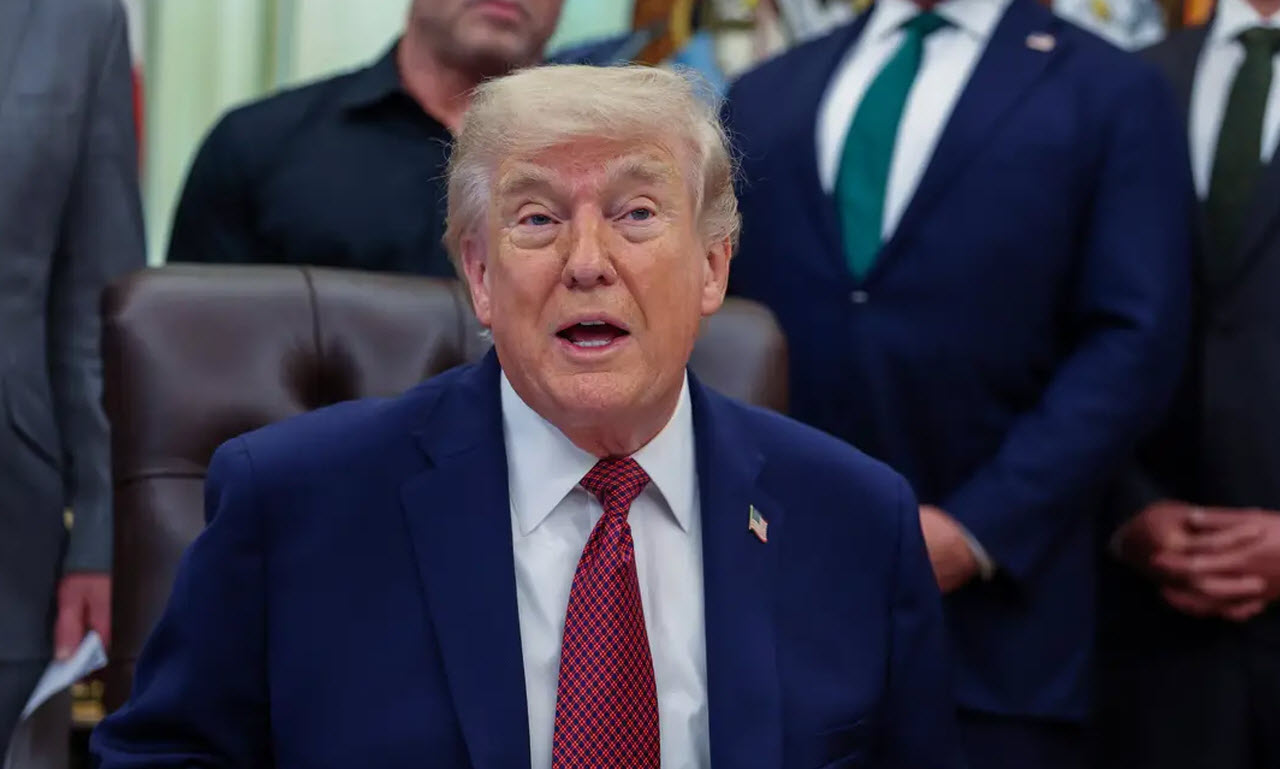
Inside the White House the response was anything but calm. Donald Trump reportedly spent hours screaming at his top aides as the gravity of the crisis began to sink in.
He was haunted by the ghosts of the past and kept bringing up the ghost of the 1979 hostage crisis. If you look at what happened with Jimmy Carter it cost them the election he allegedly told his team. He called the entire operation a mess while his advisors scrambled to maintain control.
The weight of a failed presidency hung in the air like heavy smoke.
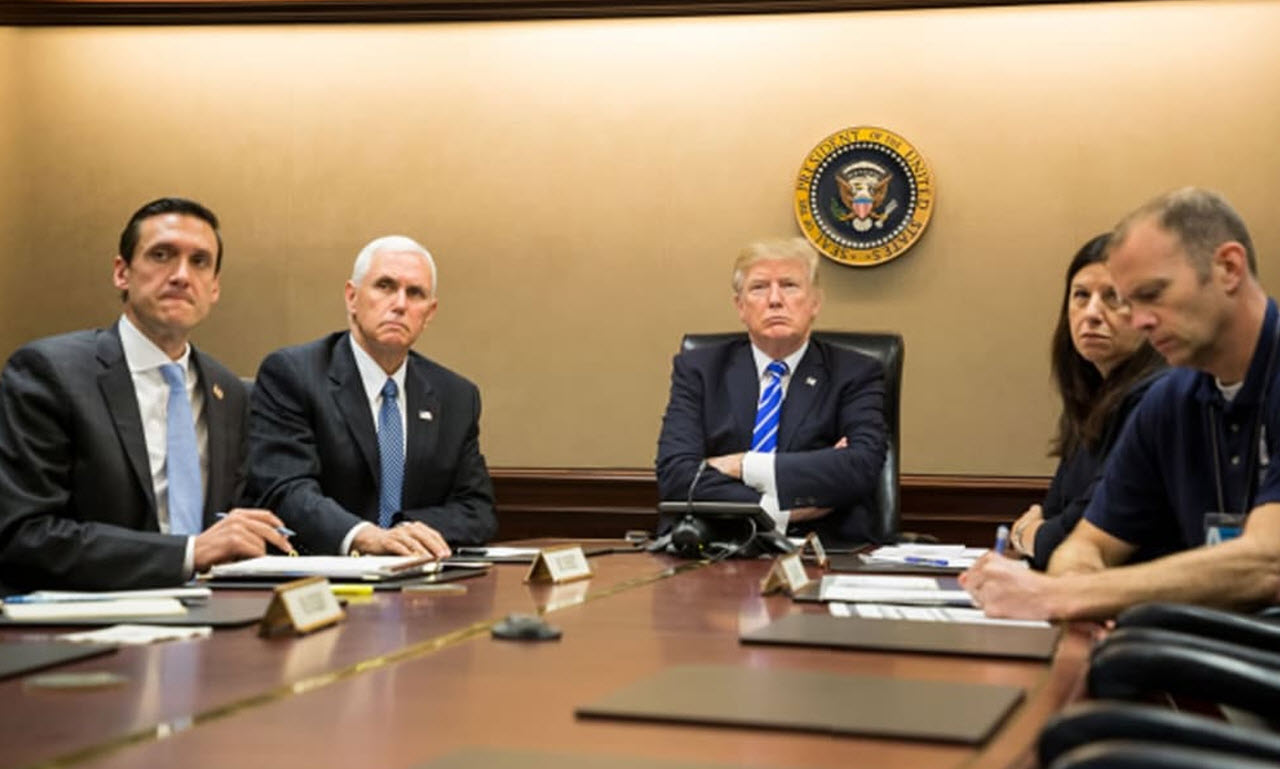
While the mission moved into its most dangerous phase the doors to the Situation Room remained firmly closed to the commander in chief. Vice President JD Vance and Chief of Staff Susie Wiles were the ones watching the live feeds.
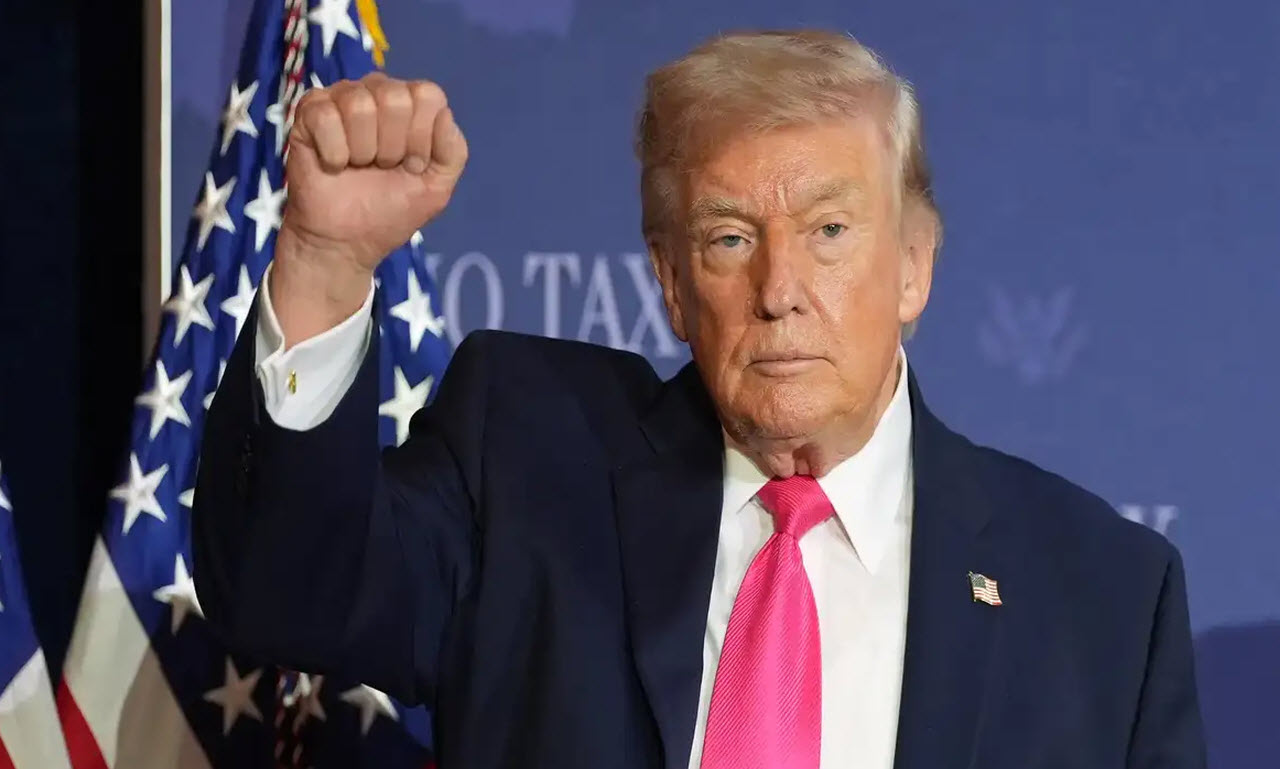
They monitored the minute-by-minute movements while the president was forced to stay in the West Wing. Aides later admitted they intentionally kept him away because they believed his legendary impatience would only make things worse.
They did not want him in the room while the stakes were this high. He was only given updates over the phone at what they called meaningful moments. It was a total departure from the image of a leader at the center of the storm.
The silence in the hallway was louder than the shouting behind closed doors.
White House press secretary Karoline Leavitt tried to spin the absence as a sign of steady leadership. She claimed the president was focused on the noble goal of stopping the Iranian nuclear program.
But the reality on the ground was a frantic race against the clock and the desert terrain. The turning point finally came on April 4 when the CIA managed to pinpoint a tiny mountain crevice.
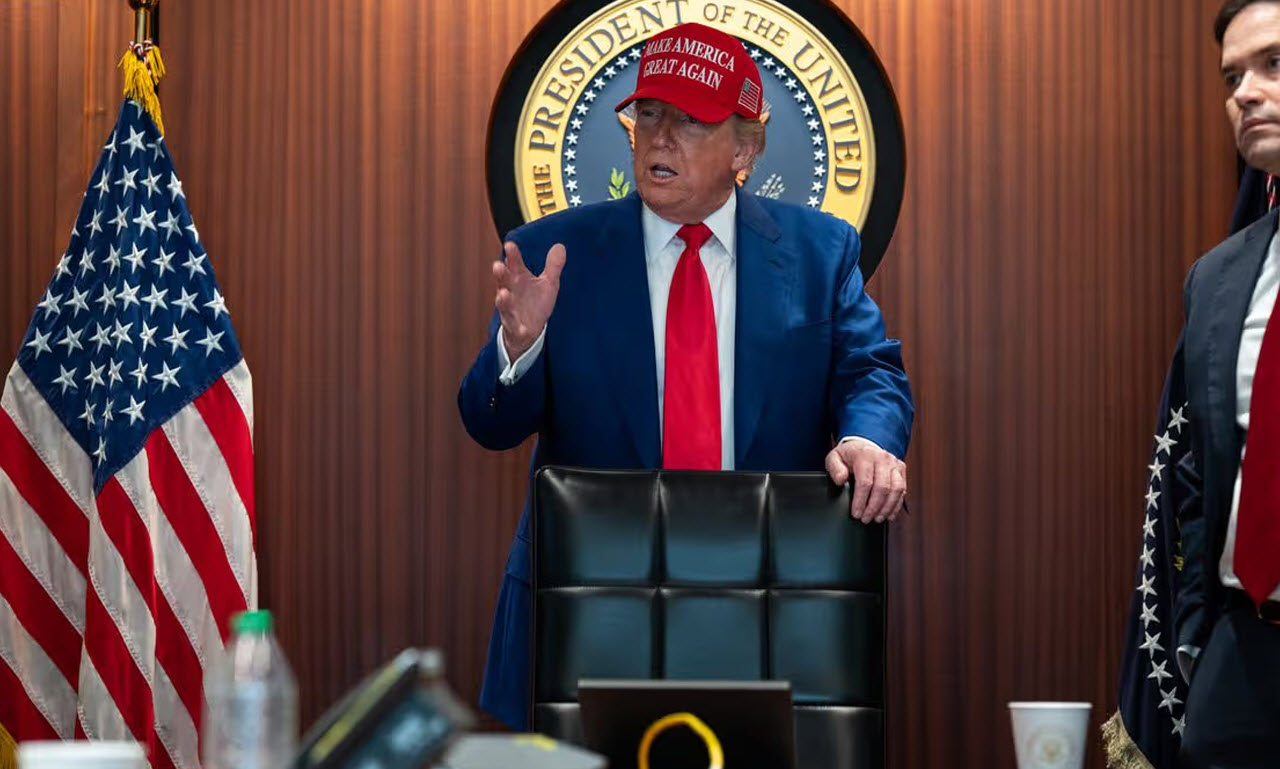
The stranded pilot was hiding there and waiting for a miracle that finally arrived. A senior official described the search as finding a needle in a haystack but the needle was a brave American soul.
The rescue was a tactical success even if the chain of command looked fractured from the outside.
A single radio transmission changed the course of the entire month.
Even with the airman safe the rhetoric coming from the president did not slow down. He took to social media to issue a terrifying ultimatum to the regime in Tehran. He warned that every single power plant and every single bridge in the country would be knocked out if a deal was not signed.
No more Mr. Nice Guy he wrote in a post that sent shockwaves through the diplomatic community. He later told reporters that the entire country of Iran could be blown up if they refused to cooperate.
It was a stark contrast to the quiet professionals who had just pulled a pilot from the mountains. The conflict is now entering a new and much darker chapter.
The target was clear but the path forward remained buried in shadow.
Iran has already responded by walking away from the negotiating table for good. They cited the naval blockade and the constant shifts in the American stance as a breach of the ceasefire.
They are now promising to retaliate against what they call American piracy on the high seas. The rescue mission might be over but the war is only getting started.
Trump remains focused on the optics while his military planners wonder what happens when the next jet goes down. The Situation Room doors might be open again but the trust inside them is gone.
