
The night started like any other, no big expectations, just another attempt at getting lucky. The sounds of machines and flashing lights blended together, nothing standing out at first.
Then something on the screen changed everything.
The number that appeared wasn’t small or even moderately large, it was overwhelming, the kind of total that makes people stop and question what they are looking at before reacting.
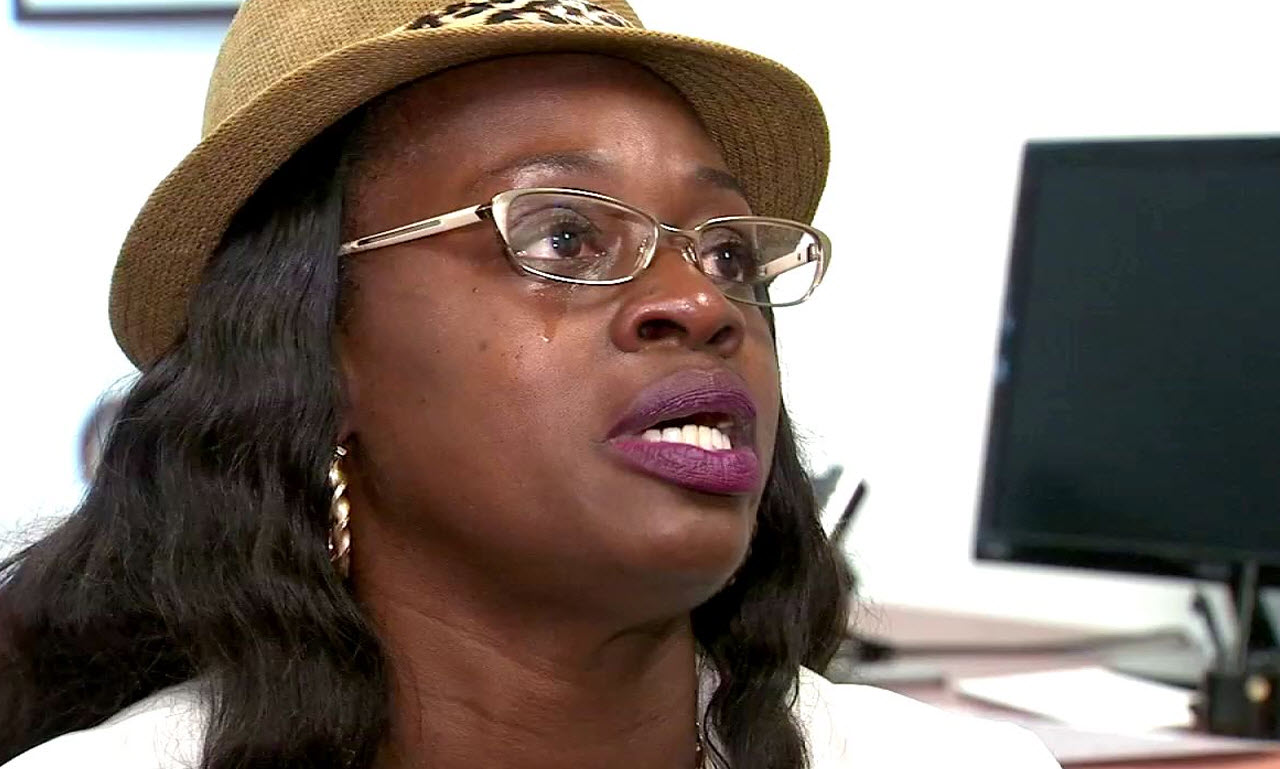
She didn’t jump up or celebrate right away, and that pause mattered.
Instead, she leaned in, looked again, and tried to process what was sitting right in front of her. Before leaving, she took a selfie, capturing the screen as proof of what she believed had just happened.
But that wasn’t the moment that defined the story.
She walked away that night with the image stuck in her head, replaying it over and over, thinking about how everything could change if the number held up the next day.
The next morning felt different.
Walking back in, there was anticipation mixed with disbelief, but also a sense that the result would be confirmed. The screen had been clear, and the number had not been subtle.
Then came the response that didn’t match any of it.
She was told she had not won anything. It didn’t line up with what she saw, and for a moment it felt like a misunderstanding that could be cleared up with a simple explanation. But the explanation didn’t move in that direction.
And that’s when everything shifted.
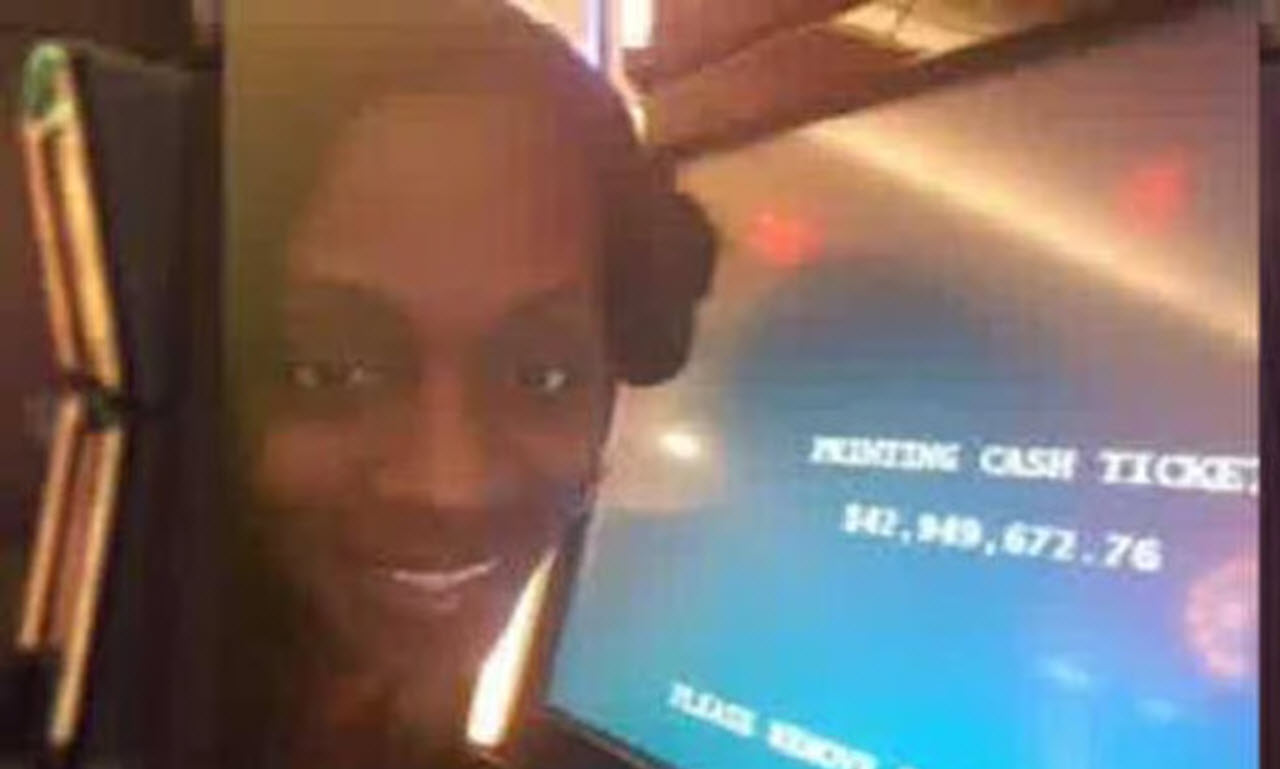
Officials later determined that the machine had malfunctioned, meaning the number displayed was not a legitimate payout. What looked like a life changing moment was now being explained as an error.
The confirmed amount told a completely different story.
Instead of millions, the actual payout was just $2.25, a number that barely registered compared to what had appeared on the screen the night before. The gap between the two was hard to accept.
And then came the part that people focused on.
Along with the corrected amount, she was offered a complimentary steak dinner, presented as a gesture after the situation. It did not feel like it matched what she believed had happened. That detail spread quickly.
The explanation from the casino centered on the malfunction, stating that the number shown was the result of a machine error and that the correct payout was the amount printed on the ticket.
That answer raised more questions than it settled.
About a year later, the situation moved into a legal fight, where her lawyer pushed back on the idea that the machine could simply be dismissed as broken when it showed a large win.
The argument focused on whether the machine had been properly maintained and whether players could trust outcomes if errors like this could happen without warning.
And that brought more attention.
People reacted strongly once the story spread, with many questioning how a machine could display a massive win and then be written off as a malfunction only after the fact.
Others focused on the emotional side.
The idea of walking away thinking everything had changed, only to return the next day and hear the opposite, became the part that stuck with people the most. But not everyone agreed.
Some saw it as a reminder of the risks involved with gambling, pointing out that situations like this reinforce why they avoid casinos altogether, regardless of what others choose to do.
The case did not stay unresolved forever.
Eventually, the dispute ended through an out of court settlement, bringing the situation to a close without a public final ruling that matched the scale of the original claim.
And even after all of that, one thought stayed at the center of it. She said all she could think about in that moment was her family.
