
At first, it sounded like something contained. A few cases, a local concern, the kind of situation that usually stays in one place and fades without much attention beyond those nearby.
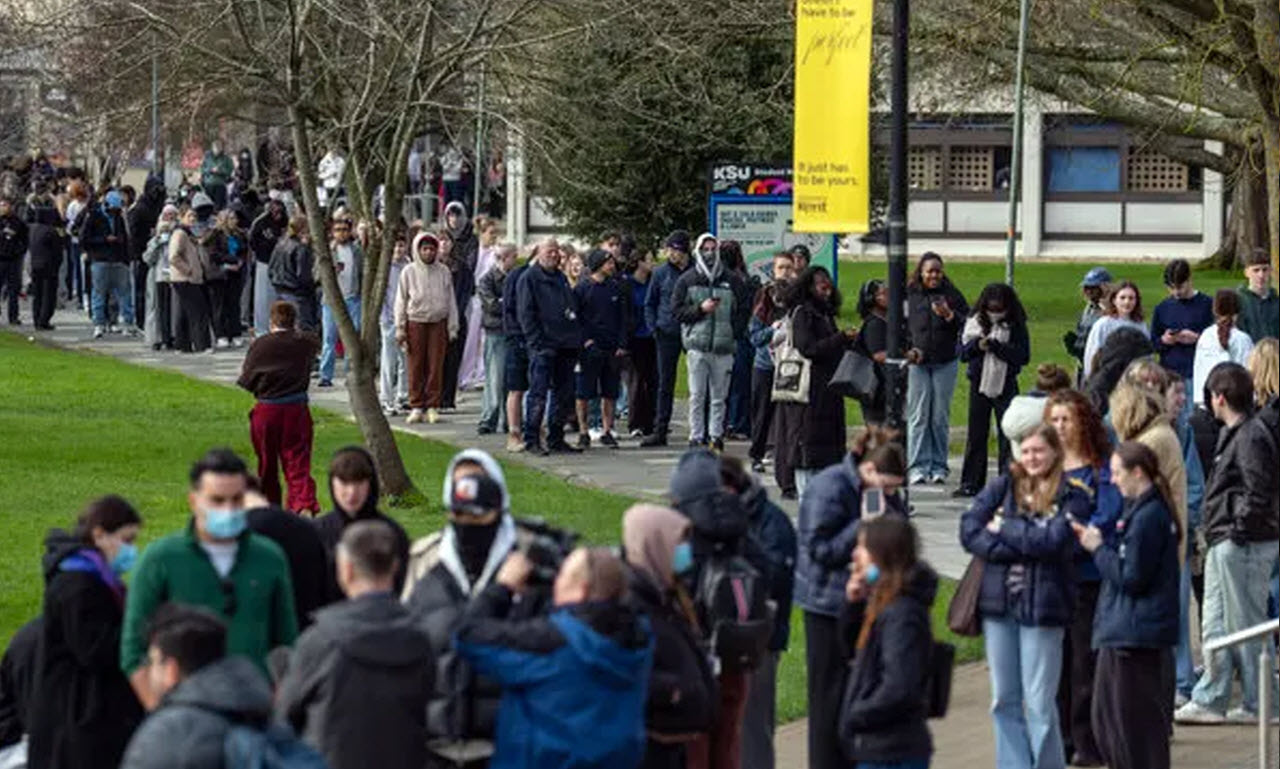
But then the numbers came in, and they didn’t feel small anymore. Two young people had died, and around 20 others were reported sick, all tied to the same unfolding situation in Kent.
And that’s when people started asking bigger questions.
Because it wasn’t just about what had happened. It was about what could happen next, especially with memories of the last global outbreak still sitting close to the surface.
That question started spreading faster than anything else.
The concern centered around a meningitis outbreak, specifically a strain known as MenB, linked to a nightclub in Canterbury that draws in students from nearby universities and colleges.
Health officials moved quickly, issuing an urgent alert across England and asking medical workers to stay vigilant for symptoms that could point to new infections.
But even with that response, the unease didn’t settle.
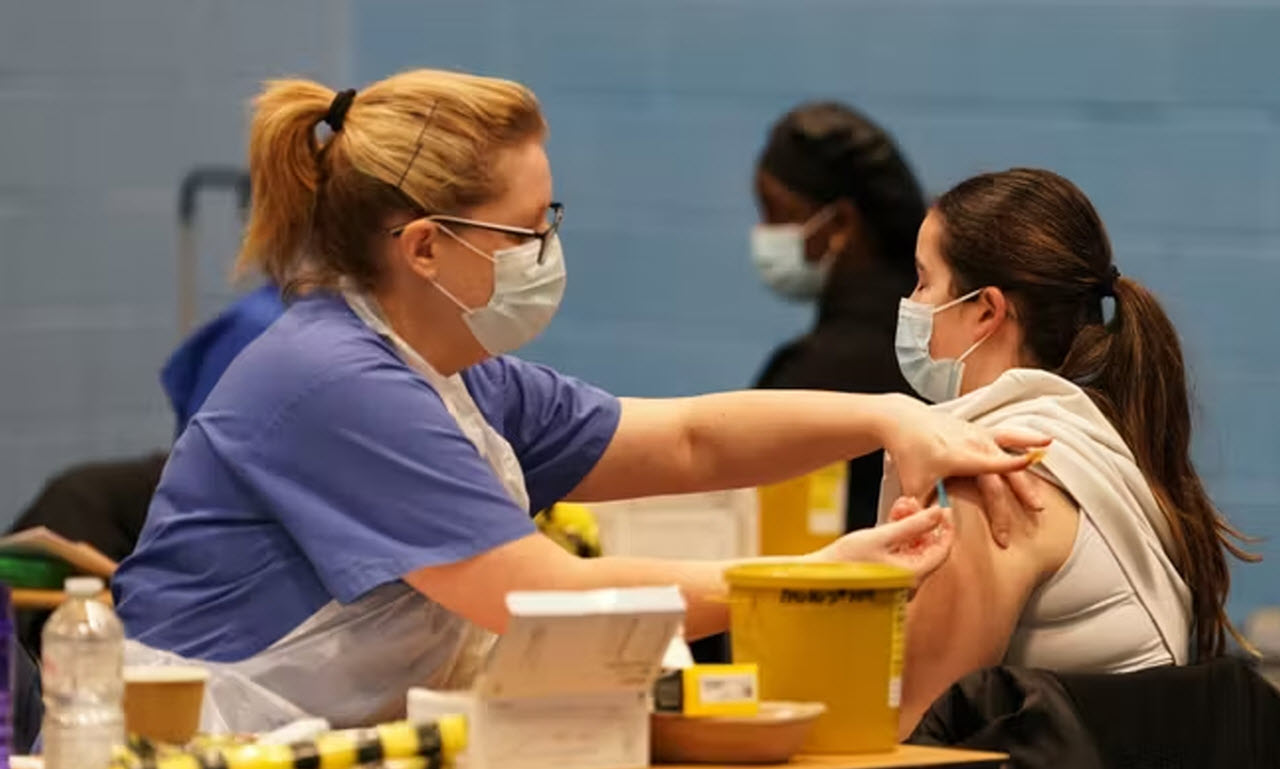
A vaccination program began almost immediately, targeting roughly 5,000 students at the University of Kent, while treatment centers opened with thousands of antibiotic doses ready. It looked serious. And for many, it felt familiar.
But that comparison didn’t quite hold up.
Experts began stepping in, not to downplay the situation, but to explain why this outbreak behaves very differently from what people experienced with Covid.
And that distinction matters more than it seems.
Covid-19 is caused by a respiratory virus, spreading easily through the air when people talk, breathe, cough, or sneeze, making it highly contagious in everyday settings.
Meningitis, on the other hand, is not a virus in this case but a bacterial infection caused by Neisseria meningitidis, which affects the membranes around the brain and spinal cord.
That difference changes everything about how it spreads.
It doesn’t move through casual contact in the same way. Instead, it requires prolonged, very close interaction, the kind that doesn’t happen just by passing someone in public.
That’s a key detail people often miss.
There are specific behaviors that can increase risk, like sharing items that come into contact with saliva, including things like vapes, which may help explain how it spread among students.
But even then, infection is not guaranteed.
Most people who carry the bacteria never actually become ill, which is another major difference compared to how Covid behaved when it first emerged.
And that shifts the overall risk picture.
There are also tools already in place that didn’t exist in the early days of the pandemic, including established antibiotics and vaccines designed to limit both illness and spread.
That changes how quickly situations can be controlled.
A large portion of the population already has some level of protection, especially those who received the MenB vaccine as part of routine immunization starting in 2015.
But not everyone falls into that group.
Anyone born before that rollout may not have the same level of immunity, which is part of why health officials are acting quickly to contain exposure in specific areas. Even so, the response is focused, not widespread.
And that leads to the question people keep coming back to.
Could this turn into something bigger, something that forces restrictions like before?
That’s where experts have been consistent.
They say a lockdown, whether local or nationwide, is highly unlikely, largely because of how this disease spreads and how it can be contained.
It doesn’t travel the same way.
Outbreaks like this tend to stay localized, tied to close contact networks rather than moving broadly through entire populations.
And new cases, if they appear elsewhere, may not even be connected to what happened in Canterbury.
So while the situation is serious, it is also specific.
And that distinction is what keeps it from becoming something much larger.
