
The red carpet rolled out across Beijing with absolute precision. It was May 2026, and the stakes could not be any higher. China’s President Xi Jinping was executing a massive show of diplomatic strength for Donald Trump on his first state visit since 2017.
Every single detail reflected thousands of years of cultural heritage. Pomp and intense ceremony filled the air, signaling the massive importance placed on the secret negotiations happening entirely behind closed doors.
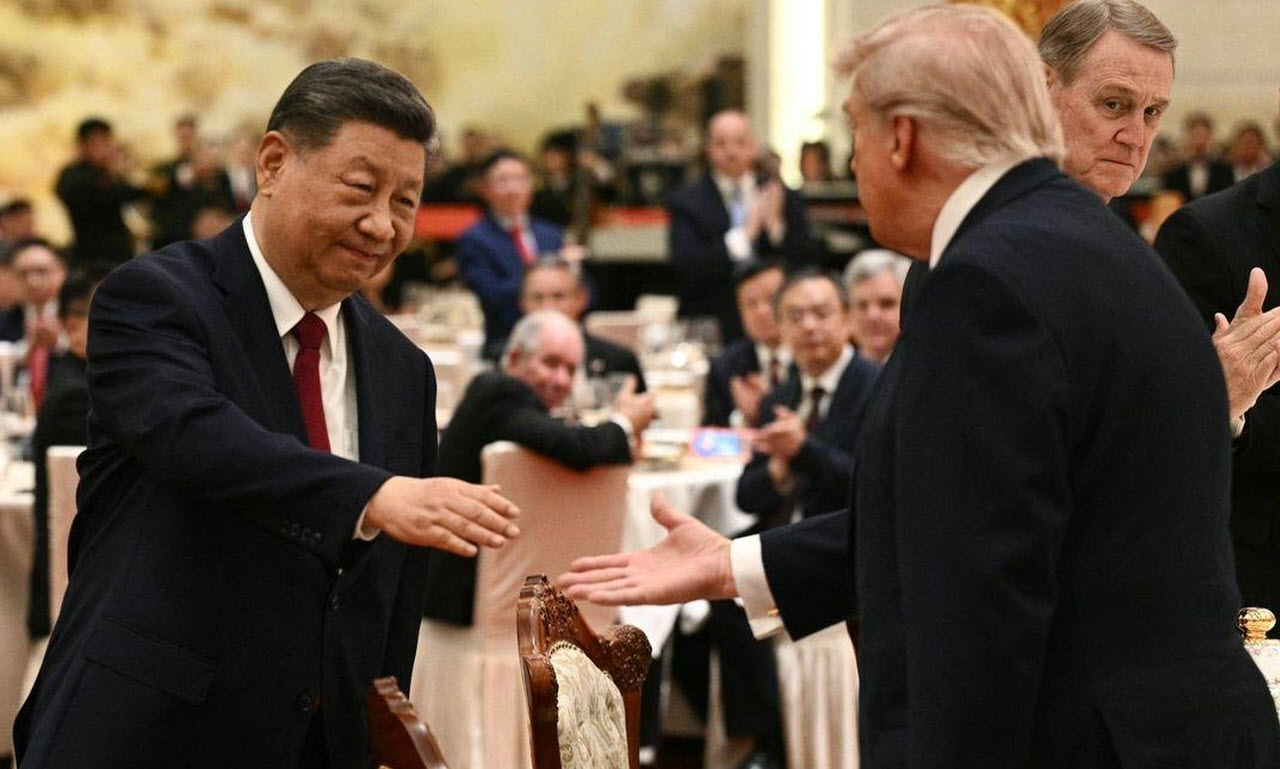
The main event unfolded inside the historic Great Hall of the People on a tense Thursday night. The American delegation entered a room packed with the global elite, including billionaire Elon Musk and Secretary of State Marco Rubio, an official previously sanctioned by the Chinese Communist Party itself.
But as the world’s most powerful people sat down to a luxurious feast, something entirely different was happening just outside the building.
While the ruling class of two global superpowers prepared to dine on lobster and crispy beef ribs, the loyal White House staffers and the traveling press pool were completely cut off.
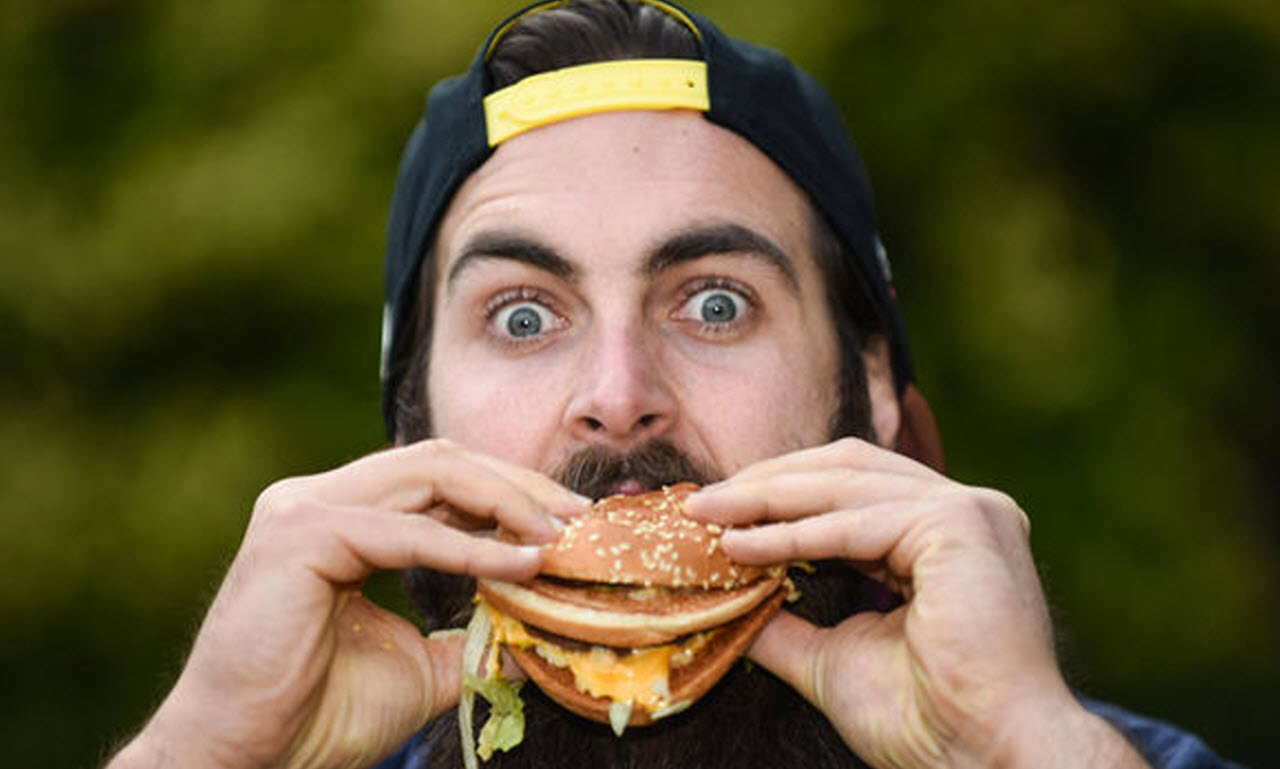
They were left waiting in the elements, separated from the luxury. Instead of a historic culinary experience, these junior aides and reporters were handed standard Big Mac burgers in the parking lot.
A heavy silence fell over the asphalt as the cardboard boxes were distributed.
It was a striking contrast. The president is famous for his deep love of McDonald’s, meaning this was likely the only time he would ever feel jealous of his own assistant staff.
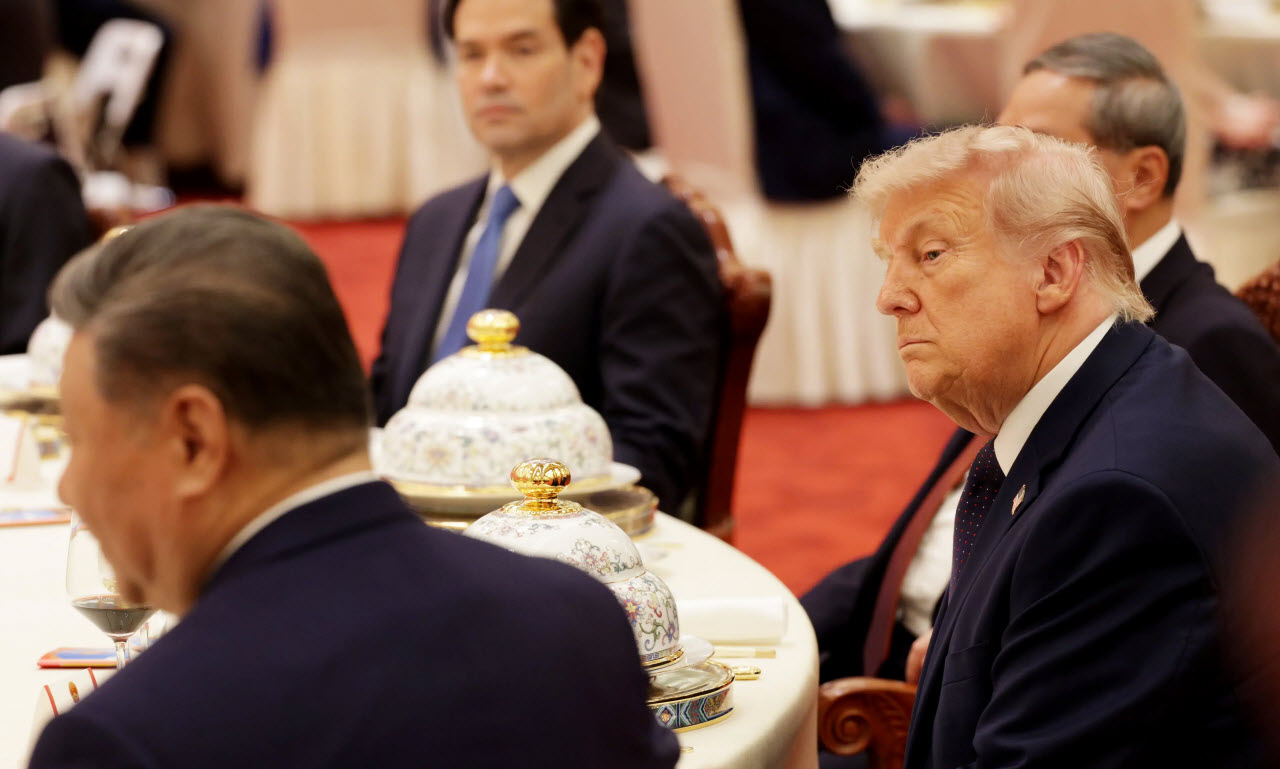
But inside the golden hall, the luxurious food was doing serious diplomatic work. China was using its subtle prowess to project immense shared strength during critical tariff negotiations.
This particular evening stood in total opposition to the president’s recent visit to the United Kingdom, where officials served complex French cuisine with names no one could easily pronounce.
Beijing chose a completely different strategy. They focused on delicate, perfectly executed classics that blended Eastern and Western traditions seamlessly.
The menu featured six distinct main courses, starting with succulent lobster swimming in a rich tomato soup, followed by crispy beef ribs and traditional Beijing roast duck.
They also served fresh stewed seasonal vegetables, slow-cooked salmon covered in a sharp mustard sauce, and a traditional pan-fried pork bun.
The flavors shifted rapidly as the high-stakes conversation turned toward the global economy.
Three separate dessert courses followed the main dinner, featuring a unique trumpet shell-shaped pastry, rich tiramisu, and fresh fruits paired with ice cream.
The powerful delegates finally finished their evening by sipping traditional hot coffee and tea while discussing the future of global trade.
The food diplomacy seemed to achieve its exact goal by the time the American president prepared to depart on Friday morning.
He spoke directly to reporters on the tarmac, stating that they had settled a lot of different problems that other people would not have been able to solve.
He insisted that they made some fantastic trade deals for both countries, though the only concrete examples he provided involved soybean and oil agreements.
Yet the underlying tension between the two nations involves issues far deeper than simple agricultural trade.
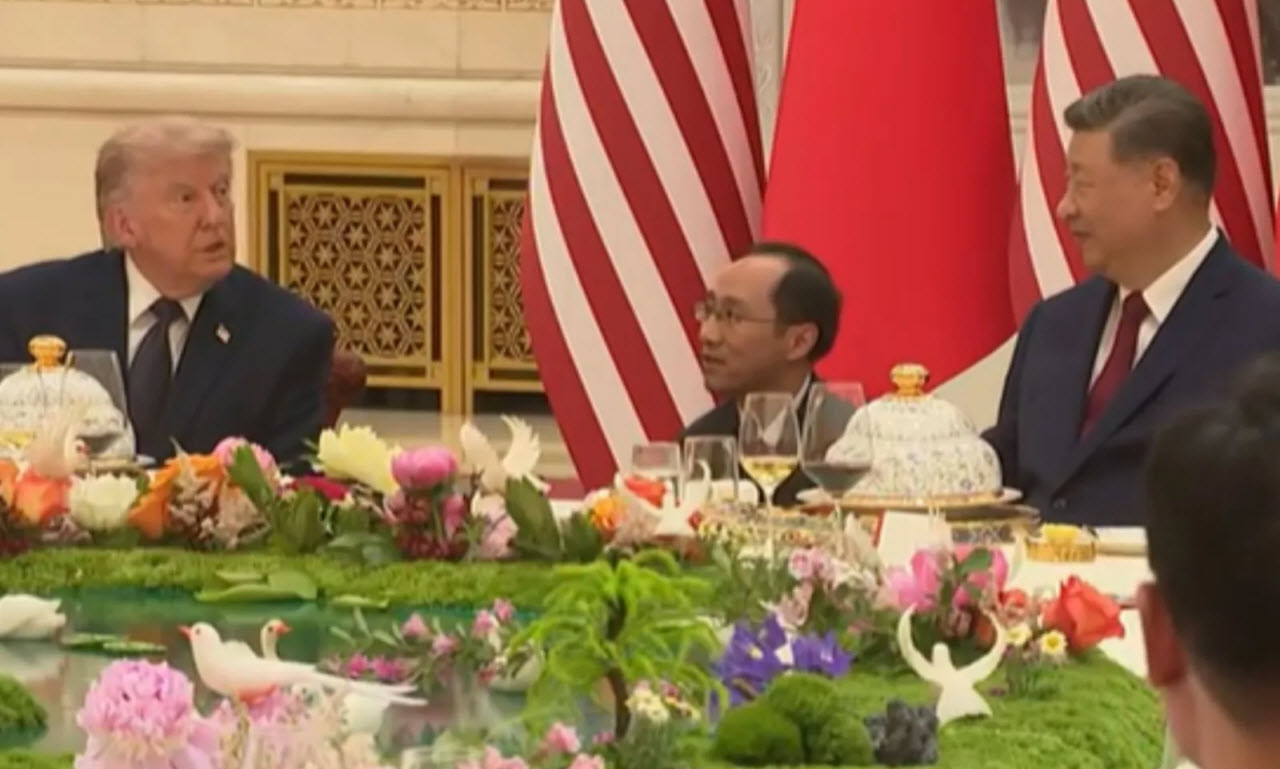
The United States maintains a strict One China policy, meaning it formally recognizes only one Chinese government while refusing to fully endorse Beijing’s claim over Taiwan.
China views the island as a breakaway territory that must eventually be reunified with the mainland by the fast-approaching deadline of 2049.
The economic stakes surrounding this specific piece of land remain completely unprecedented.
The island is home to a single massive enterprise, the Taiwan Semiconductor Manufacturing Company, which currently controls half of the entire global electronics market.
Geographically, the territory sits squarely inside a strategic island chain that dictates control over crucial global shipping lanes and military influence.
As the American planes took off from the runway, the temporary peace of a nine-course dinner quickly faded back into the harsh reality of global competition.
