
Disclaimer: This article is for informational purposes only and is not medical advice. Always consult a qualified healthcare professional regarding any medical concerns or treatment decisions.
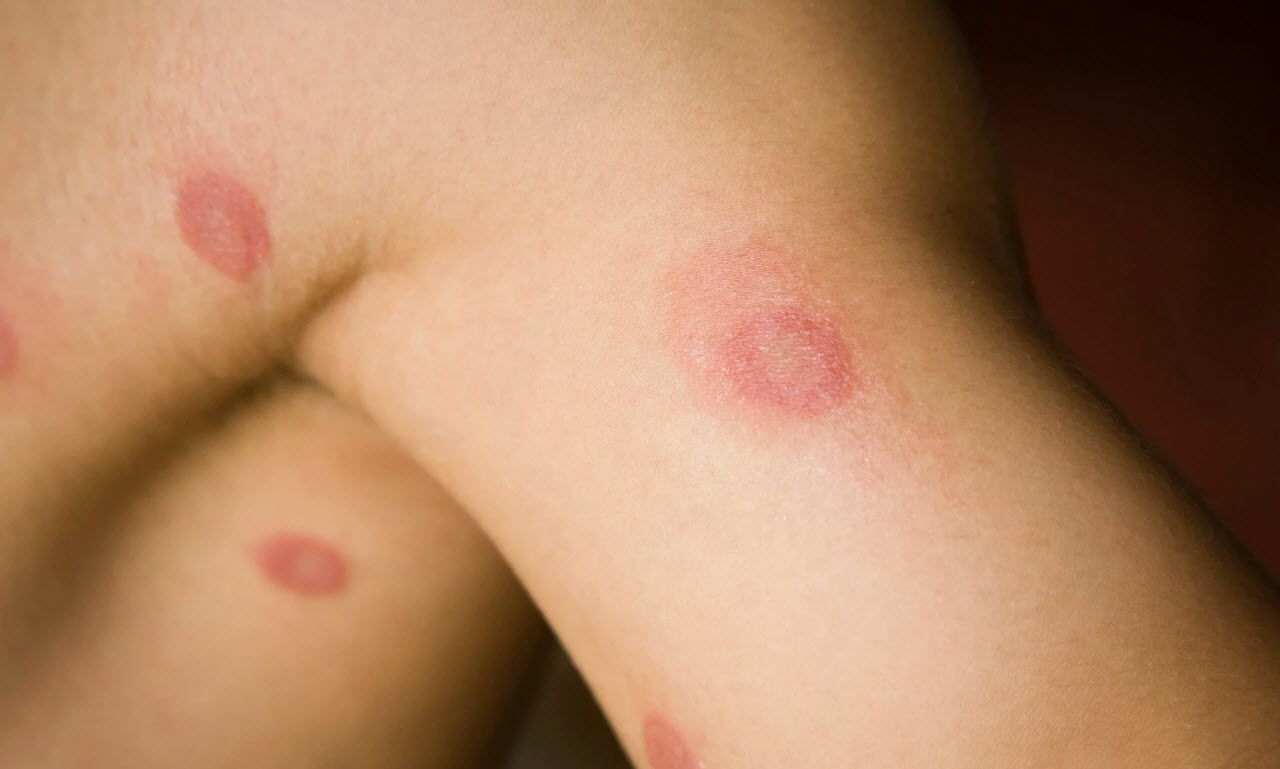
It started as a tiny pink mark on the skin. You might mistake it for a scratch or a dry patch from the weather. But then the edges begin to change. They turn dark red and slightly raised. The middle stays clear and pale.
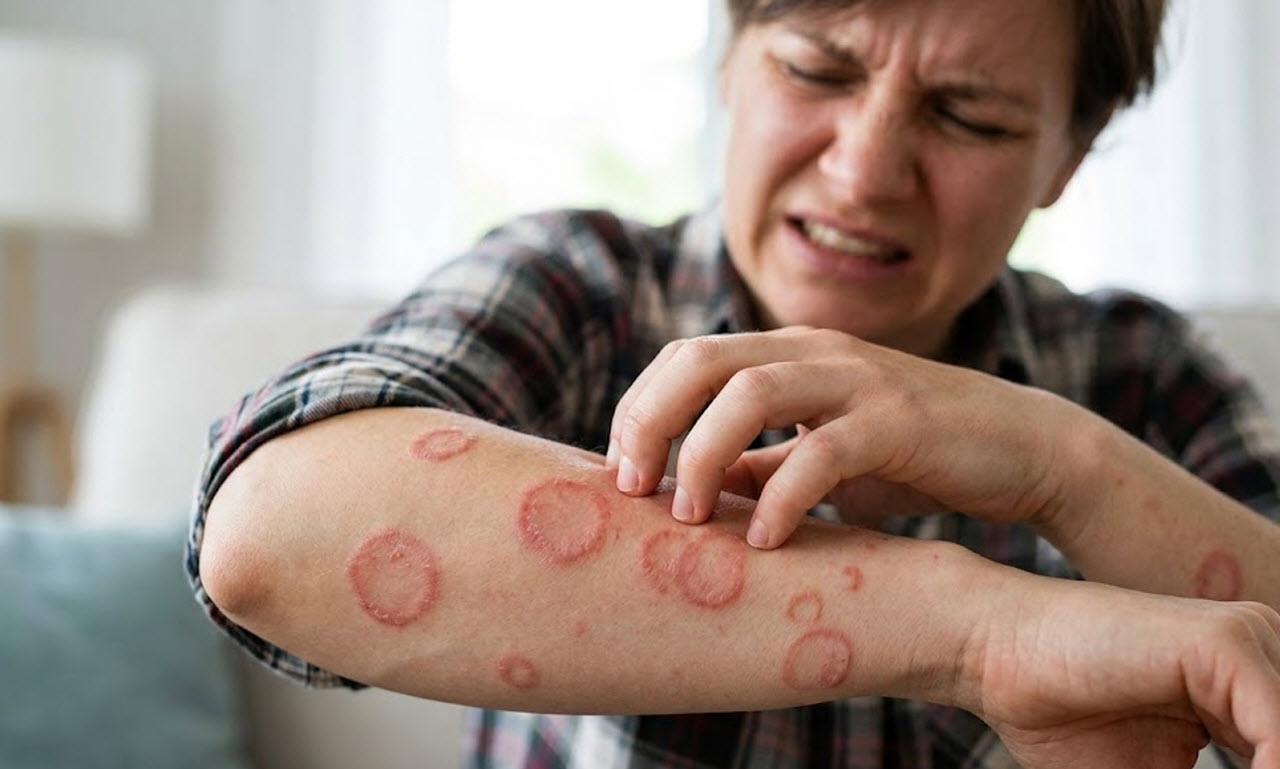
It looks exactly like a ring buried just under the surface. Your first instinct is panic because of the ancient name. But there are no worms hidden under the skin.
A microscopic fungus causes this shape. It is a stubborn organism called a dermatophyte. It feeds on the keratin in your skin and hair. It thrives in the shadows and loves warmth and moisture. You can catch it from a locker room floor or a shared gym mat.
But the most frustrating part is how easily it moves through a home.
The fungus clings to towel fibers and hairbrushes for weeks. It waits for the next person to come along.
Even your favorite family pet can carry it silently without showing a single symptom. You hug your dog and the microscopic spores transfer instantly to your arm. Then the quiet incubation period begins.

It takes days or even two weeks before the first itch strikes.
By the time you notice the red border, the fungus has already settled in deep. It stings when you sweat. It burns when clothing rubs against it.
On darker skin tones, the circle might look dusty gray or deep brown. On lighter skin, it glows pink. If it catches a child on the scalp, the hair simply snaps off at the root.
The hair leaves behind tiny black dots and smooth bald patches.
So you reach for the nearest cream in the medicine cabinet. Many people make the classic mistake of grabbing a leftover hydrocortisone tube. They want to stop the relentless itching right away.
But steroids act like fuel for this specific invader. The cream hides the redness but allows the fungus to tunnel deeper. Dermatologists call this hidden explosion tinea incognito.
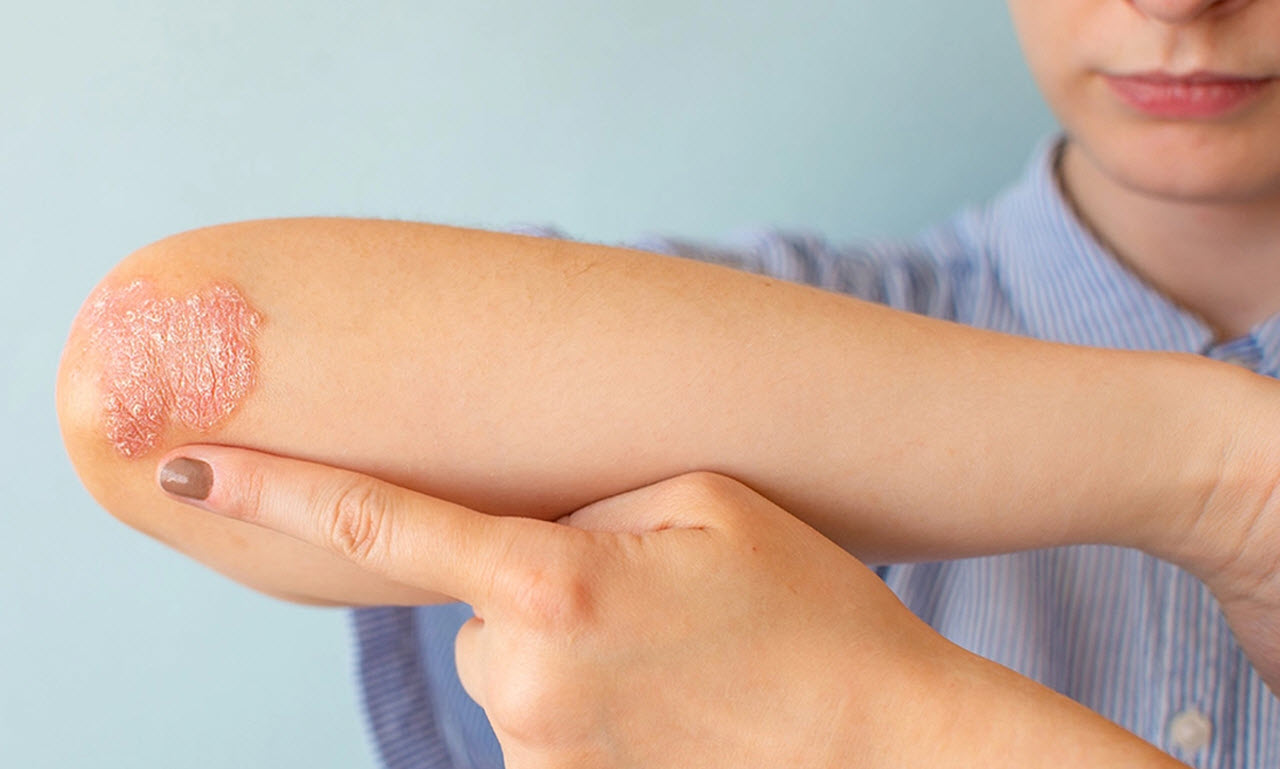
The rash loses its shape and spreads across limbs without a border. To fight it correctly, you need target medicine from a pharmacy.
Over-the-counter creams like terbinafine or imidazole work by destroying the fungal wall. You must clean the skin gently and dry it completely before application.
Then you spread the cream a little past the visible red edge.
Fungi always live in the healthy-looking skin just outside the ring. You might see the border start to fade within a few days. But stopping the application early is a massive trap. The microscopic spores survive underneath and wait for you to quit.
You must continue the daily routine for two full weeks after the skin looks clear.
But treating your body is only half the battle. If you ignore the rest of the house, the circle returns. Spores drop onto carpets and bedsheets every single hour. You have to wash every towel and sheet in hot water. Hard surfaces need a scrub with diluted bleach.
The real test comes down to patience and strict discipline.
If the infection reaches the scalp or the nails, home creams fail completely. The fungus hides inside the hair shafts where creams cannot go.
You will need a doctor to write a prescription for oral tablets. If a spot oozes or grows into a boggy swelling, the danger of permanent scarring rises.
Watch the edges closely and track the changes day by day. Keep the skin dry and wear loose cotton clothing. The ring will eventually fade back into normal skin.
