
It starts in the quiet corners of a living room. You might notice a hand that cannot stay still or a chair that suddenly feels uncomfortable.
Most people look for the big things. They wait for the forgotten names or the lost keys. But the brain speaks in whispers long before it starts to shout. It is a slow fade that millions are forced to watch every single year.
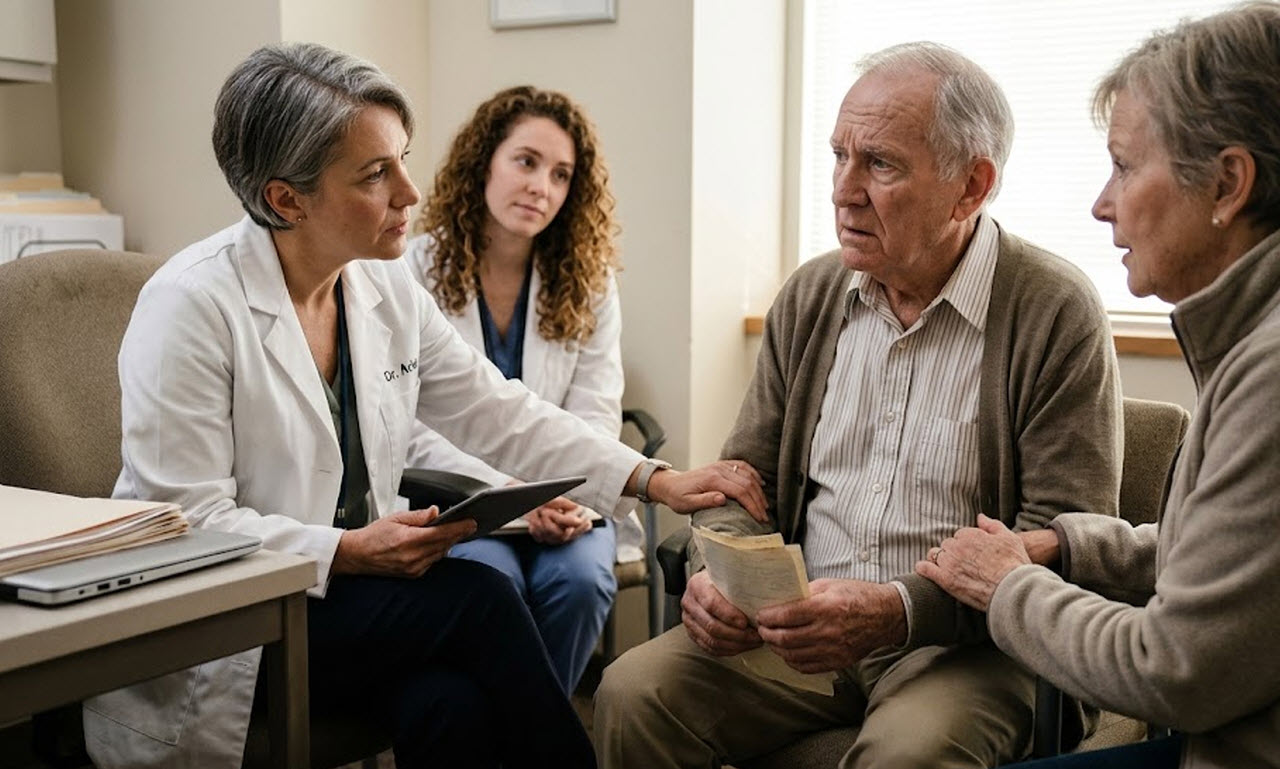
And the first sign is often a strange kind of energy. They call it restlessness.
It looks like pacing across the hardwood floor. It looks like fingers tapping on a kitchen table for no reason at all.
But this is not just nerves. It is a progressive storm inside the mind where plaques and tangles begin to cloud the light. The protein deposits interfere with how we think and how we reason.
And they make it impossible to just sit still.
The quiet of the house is replaced by a constant, rhythmic movement. It is the sound of a mind trying to find a balance it can no longer reach.
Small habits are the first things to break when the brain begins to change. Then comes the second sign. This one is much heavier for the people watching from the hallway.
It is called wandering. It is a physical manifestation of a deep and growing confusion.

One minute they are in the kitchen. The next they are standing by the front door with a coat they do not need. They are looking for a place that feels like home. But the tragedy is that they are already standing in it.
The wandering does not care about the time of day. It happens under the sun and it happens in the dead of night.
The danger is real because the world outside does not understand the disorientation inside. A simple walk can turn into a crisis in a matter of minutes.
A locked door is a physical barrier, but it cannot stop the urge to move.
Seeing these things in someone you love is a heavy burden to carry. It feels like watching a map being erased while you are still trying to follow the path.
But you cannot look away. You have to move quickly.
The first step is a doctor who can put a name to the shadows. A proper diagnosis is the only way to start the fight.
At home, the environment has to change. You install the locks and you buy the GPS trackers. You create a world that is smaller and safer. You remove the stressors and you simplify the tasks that used to be easy.

Sometimes a walk in the garden is enough to settle the spirit. Or maybe just the sound of a favorite song from a better time.
Music has a way of finding the parts of the memory that the disease hasn’t touched yet. Communication is the hardest part. You cannot force a person to see what they are losing.
You have to lead with empathy. You have to talk about the resources and the doctors with a voice that does not shake.
It is a journey that requires a different kind of patience. It is about empowering them to stay in the light for as long as possible.
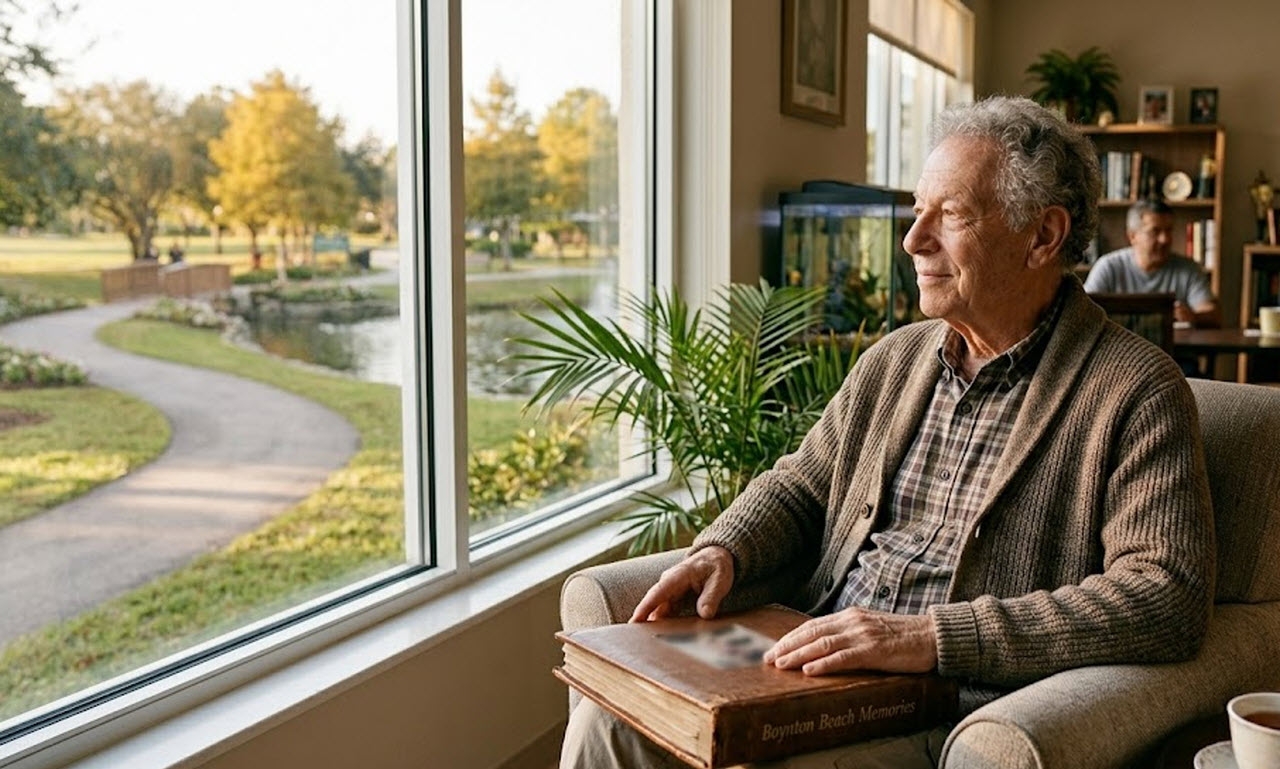
The road is long but the horizon is finally starting to shift for the first time in decades.
For twenty years the world of medicine was quiet. There were no new answers and very few reasons to hope. But the silence has finally been broken by two names that people are starting to learn. Aducanumab and lecanemab.
These drugs are sitting in late-stage trials right now. And the results are changing the conversation.
They go after the amyloid plaques directly. They try to slow the decline before the light fades completely.
Experts are saying this could be the beginning of the end for the disease.
“After 20 years with no new Alzheimer’s disease drugs, we now have two potential new drugs in 12 months. This could be the beginning of the end for Alzheimer’s disease.” said Dr. Richard Oakley.
The ending is no longer written in stone. Science is catching up to the mystery.
Stay vigilant. Watch the movement. And never stop looking for the signs.
