
Millions of British teenagers crowded around their living room television sets on a chilly Thursday evening in January of 1973, waiting for Top of the Pops.
David Bowie stepped into the studio lights with blazing red hair, wearing a shimmering jumpsuit and armed with a harmonica. Beside him stood The Spiders from Mars.
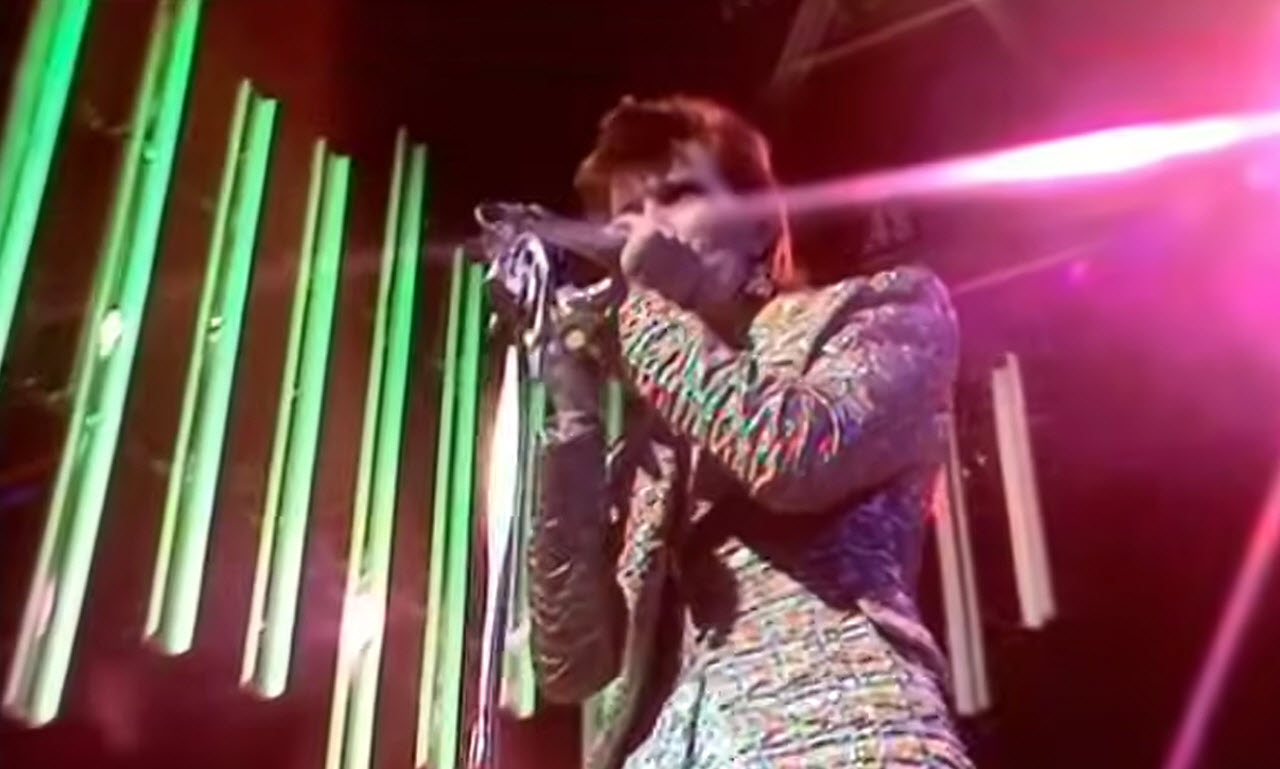
A historic glam rock spectacle exploded across the nation, but the original broadcast footage soon vanished without leaving any trace behind.
British broadcasting operated under strict budget limits during the 1970s. Reusable magnetic tape was notoriously expensive, prompting network managers to wipe original master reels to save money.
Decades of cultural history were systematically discarded or recorded over. Bowie’s fiery performance of The Jean Genie vanished from the BBC library, presumed lost to history.
Fans spent nearly forty years believing the legendary broadcast was gone forever, but one studio cameraman had quietly protected the master tape.
Cameraman John Henshall had brought an experimental fisheye lens into the crowded BBC television studio to capture Bowie from a fresh, daring angle.
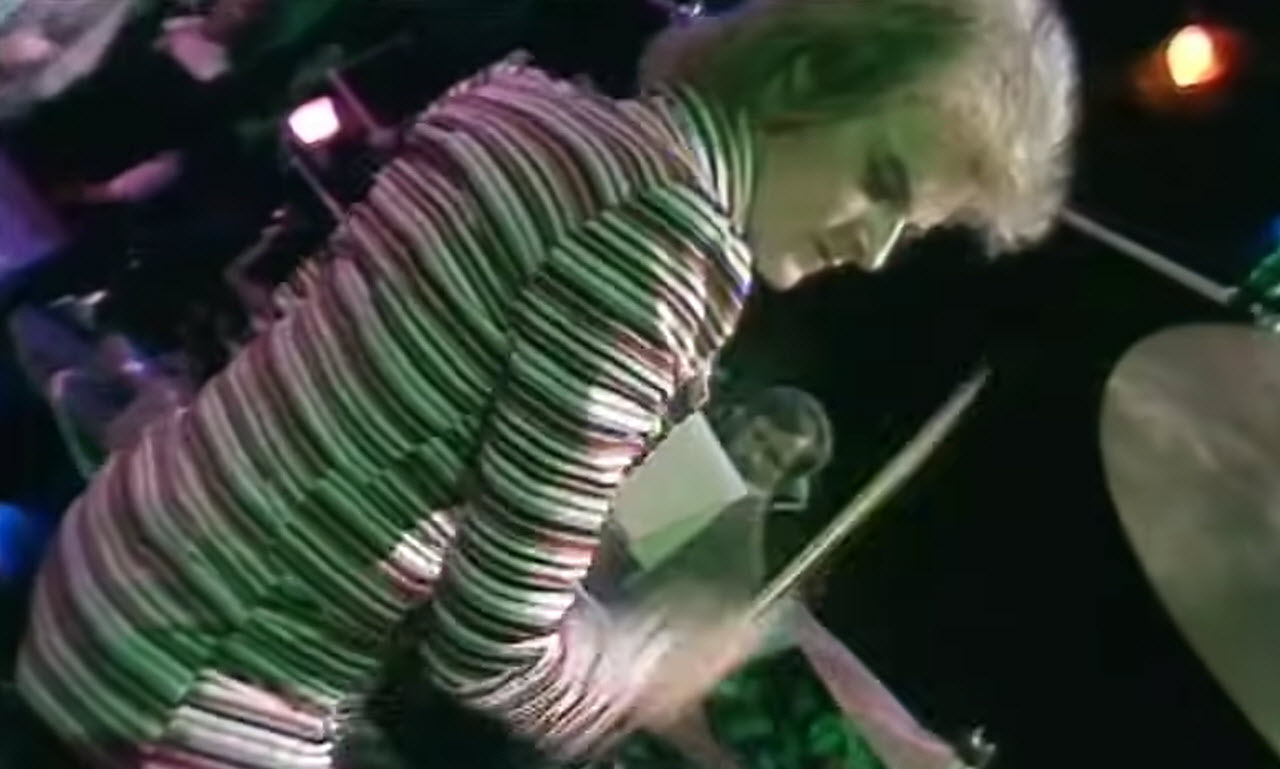
Henshall retained a personal copy of the transmission simply as a portfolio piece showing off his camera work, unaware that every official BBC recording would be wiped.
That single tape reel rested quietly among private personal belongings for decades, holding the only broadcast quality record of glam rock’s golden hour.
Performers on Top of the Pops almost always mimed to studio tracks, offering polite playback routines for television viewers. Bowie and his band refused to pretend, choosing genuine live fire instead.
The visual and sonic evidence across the video is undeniable. Mick Ronson tears into his signature gold Les Paul, trading raw distorted blues riffs with Bowie’s driving live harmonica.
No canned playback tape could ever fake that raw, unvarnished collision of blistering live stage guitars and screaming studio vocals alike.
Bowie does not act like a detached star. He pulls in close to Mick Ronson, sharing a single microphone stand shoulder to shoulder, radiating danger and magnetic charm.
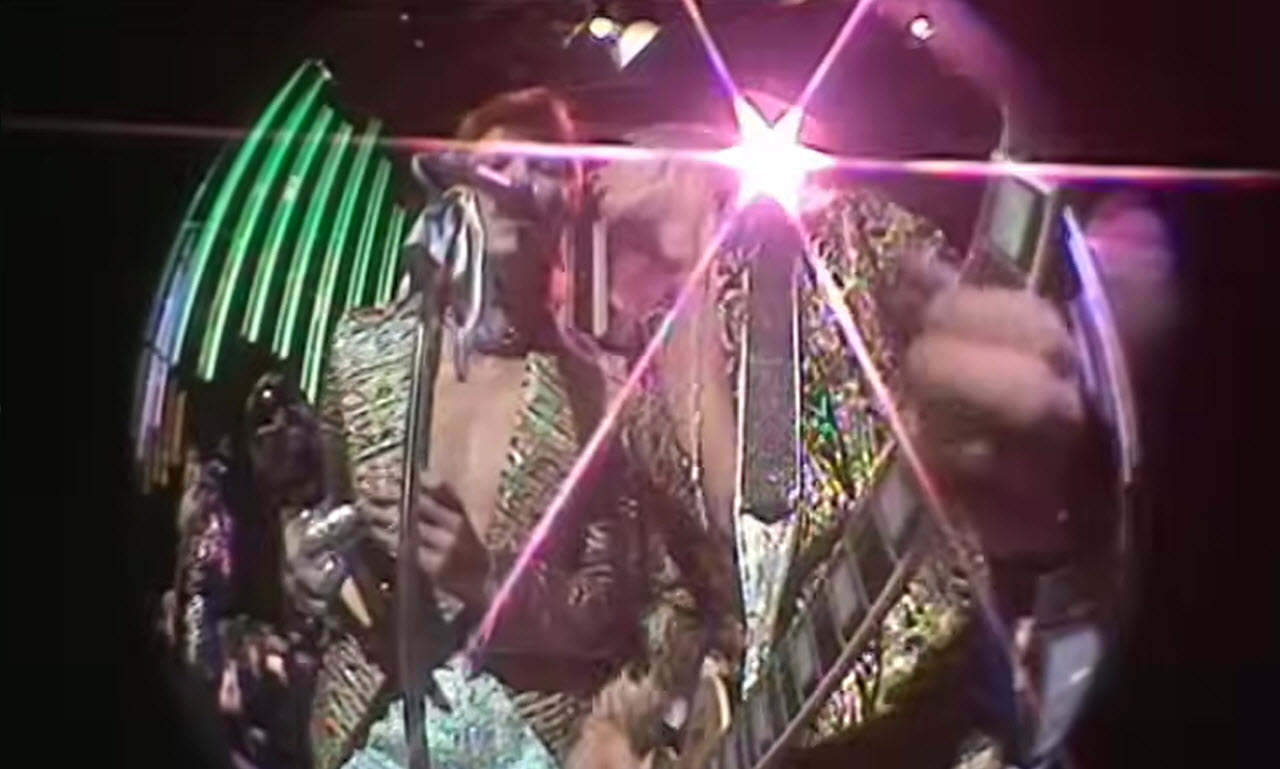
Surrounding the performers, glowing vertical neon rods bathe the television set in an eerie, futuristic glow. Henshall tilts his experimental fisheye lens, bending the stage edges into a bizarre dreamscape.
The unusual curved camera perspective transforms a standard television studio setting into an alien, wildly otherworldly glam rock arena.
Tight and aggressive, the performance clocks in at roughly three minutes. It channels Jean Geanie inspired lyrics, driving blues rhythms, and pure theatrical bravura.
An announcer sets the stage for viewers by proclaiming, “Now this is very exciting, incredible lost footage not seen since 1973, a live performance on Top of the Pops, just feel the raw power of David Bowie.”
Hearing those spoken words brings back the exact electric thrill that once shook stunned living room audiences across the United Kingdom.
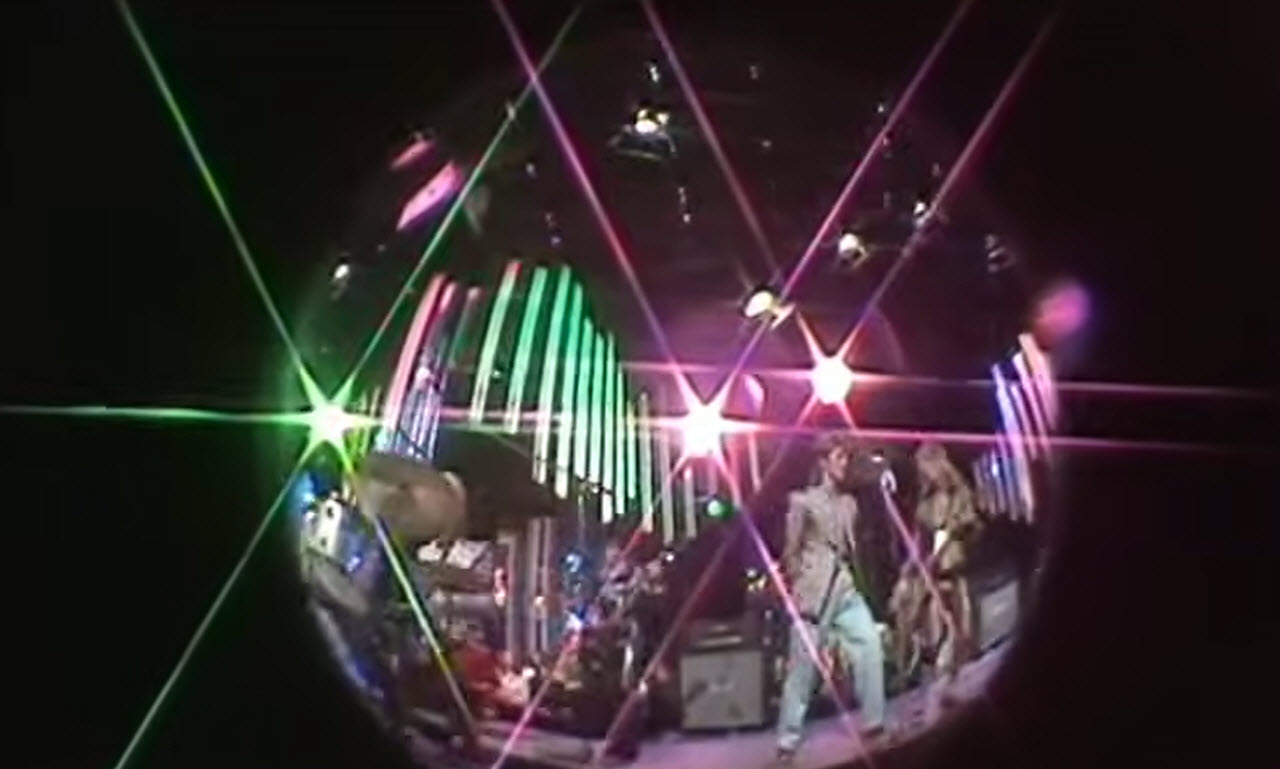
Viewing this restored video is far more than an exercise in rock nostalgia. Mainstream television in 1973 remained regimented, predictable, and remarkably conservative.
Bowie and The Spiders delivered unapologetic weirdness, loud guitar riffs, and dangerous theatricality directly into everyday homes, creating an electric shock that transformed youth culture overnight.
Corporate television policy tried to wipe clean that artistic revolution, yet a single personal tape defeated the erasure.
Closing the telecast, an announcer marveled, “Wow, that was amazing, absolutely live on Top of the Pops, David Bowie and the late and very great Mick Ronson.”
Those enthusiastic words captured a raw milestone. Without Henshall’s foresight, this landmark moment in glam rock would exist only as an unprovable rumor.
Ziggy Stardust stepped out of the dark vault and back into the light. Time can erase paper records and studio logs, but true electric passion survives.
