
Autumn chill had settled heavily over Munich in 1985, but the stale air inside Musicland Studios remained suffocating. Freddie Mercury paced near the console. The stadium roar had completely vanished.
Queen had triumphed at Wembley during Live Aid, yet the singer wore a gym shirt. No cape fluttered. No crown gleamed under artificial neon.
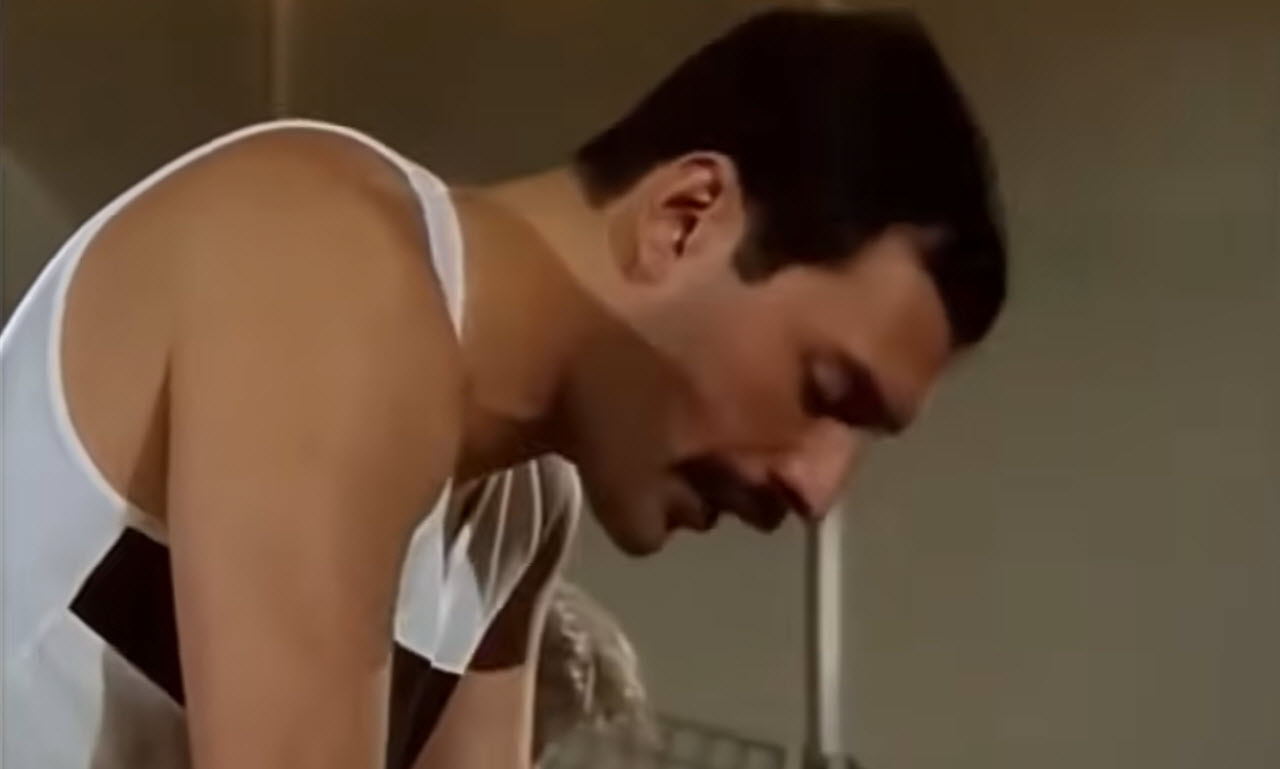
The future of a colossal rock anthem rested entirely on weird, guttural sounds escaping from the singer’s mouth in an isolated room.
Across thick isolation glass, Roger Taylor sat perched behind a towering chrome drum kit, gripping his sticks while waiting for instructions that no traditional sheet notation could ever convey.
They were shaping what would become One Vision, trying to silence endless media rumors that solo ambitions had fractured the band.
No slick digital computer program existed in that Munich control room to fix a wandering tempo or rescue an uncertain rock groove.
Taylor adjusted his bulky headphones under the booth spotlights, leaning closer to the glass before asking, “So, no hi-hat though?”
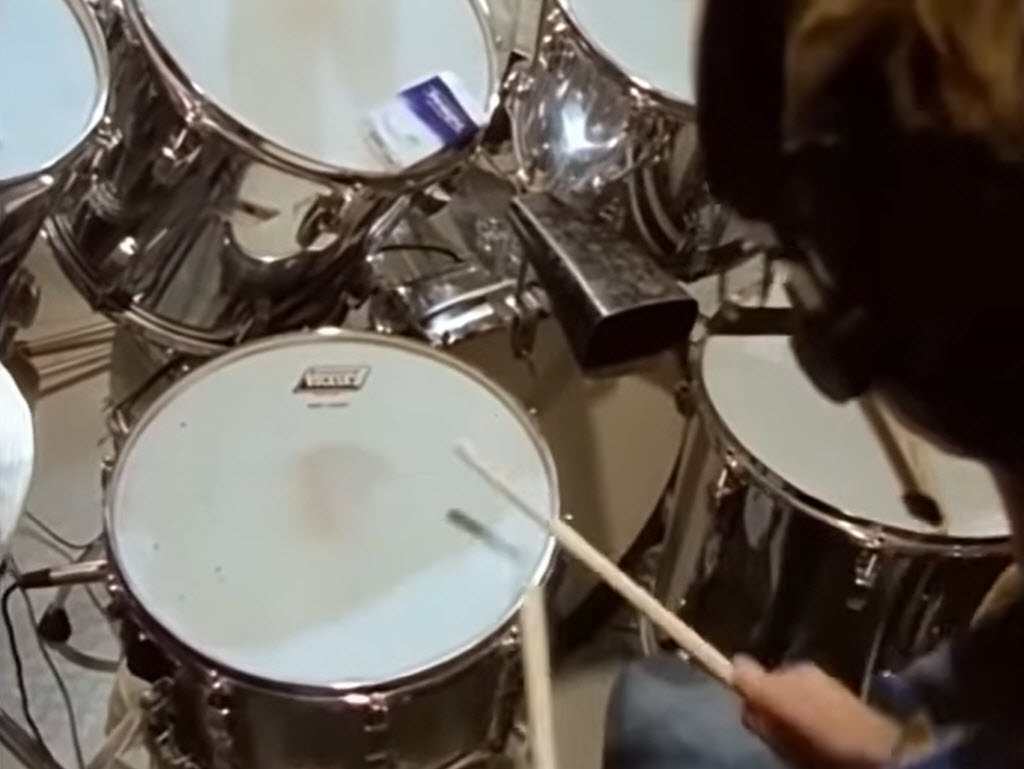
Mercury pressed the red talkback button instantly, answering through the desk monitor, “Yeah, take the other drums out. Let’s just hear it, okay?”
Two consecutive snare hits stood directly between an ordinary Munich rhythm track and the explosive wall of sound Queen demanded to hear.
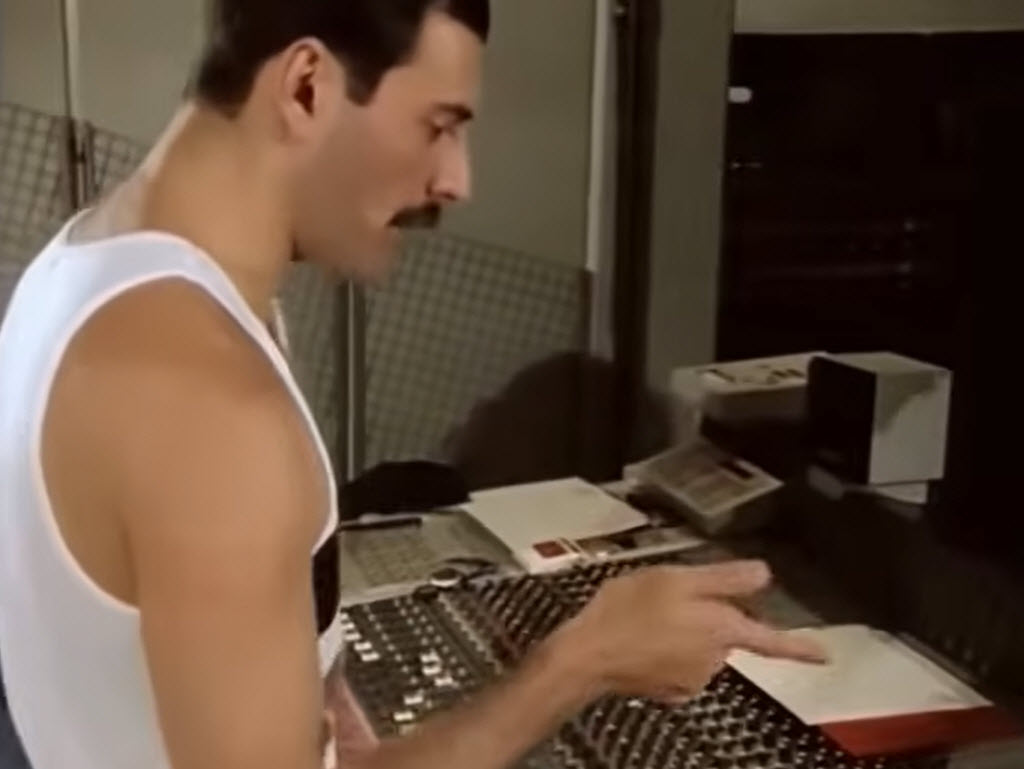
Freddie demonstrated the tempo with animated arm gestures, spitting vocal percussive scat phrases like “tshhh, tink-tink, boom-ta-da” across the desk.
Taylor attacked the drums with ferocious energy, yet Freddie halted him, calmly suggesting, “Why don’t we just concentrate on the first one, really?”
One of the most famous rock percussionists on earth had to surrender ego completely and let another man calibrate his timing.
Standing right over the soundboard, Freddie tapped his fingers firmly, warning Taylor, “make sure they’re even weight, not just ta-dat, it should be da-ba.”
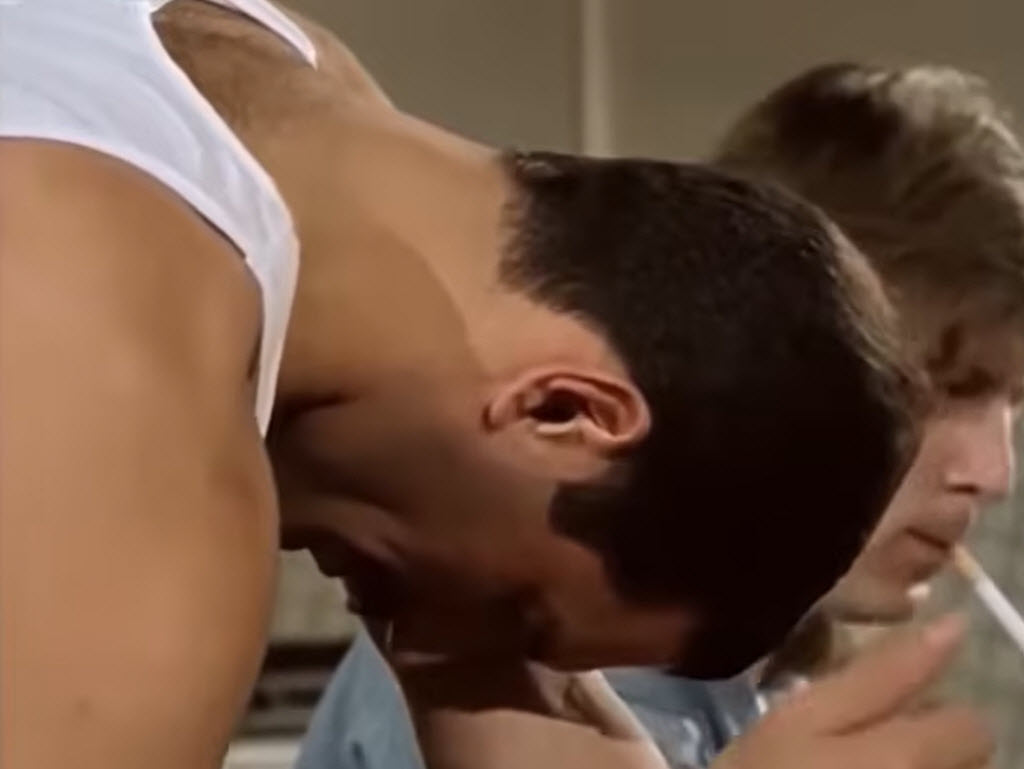
Roger nodded silently behind the glass, answering, “Got it.” He struck the snare twice with balanced power, prompting Freddie to smile, “Yes, that’s nice.” Pure percussive accuracy meant nothing without a sharp, violent cymbal crash to tear the track opening completely wide open.
Mack watched the dials while Freddie leaned across the mixer to explain, “The jungle rhythm should come out of cymbal smash, you know.”
Roger strolled into the control room to check the playback and grinned, saying, “It’s fun.” Freddie smiled warmly, replying, “Well, come in and listen.”
Shared songwriting authorship on the record sleeve dismantled years of quiet band resentment over publishing royalty checks.
Popular rock lore often forgets that Stone Cold Crazy was the first Queen track credited equally to all four members. One Vision was the second.
Splitting the credit evenly among Mercury, Brian May, Roger Taylor, and John Deacon established a brand new standard for their late studio era.
An unvarnished studio recording tape tells a far more honest human story than any multimillion-dollar promotional music video ever could.
Cigarette in hand, Freddie admitted in an interview clip that overly literal promotional films often ruin the private fantasies listeners invent.
Leaving the process open preserved the mystery, proving that timeless rock anthems are hammered out through stubborn patience rather than magic.
Behind closed Munich studio doors, genuine rock mastery always came down to mutual vulnerability and deep, unspoken creative trust.
Strip away the stadium lighting, the dramatic royal wardrobe, and the roaring crowds. Queen was four virtuosos crafting history one hit at a time.
Inside that Munich control room, two longtime friends proved that greatness is forged in sweat, honesty, and shared artistic respect.
