
It happens the moment she spots a chair in a crowded room. One leg lifts and settles over the other with a motion so natural it feels automatic. Most people never think about it at all, yet there is more going on beneath the surface.
What looks simple is actually layered with history and instinct. This small adjustment carries generations of quiet conditioning. It is a physical echo of every time a woman was told to take up less space without question.
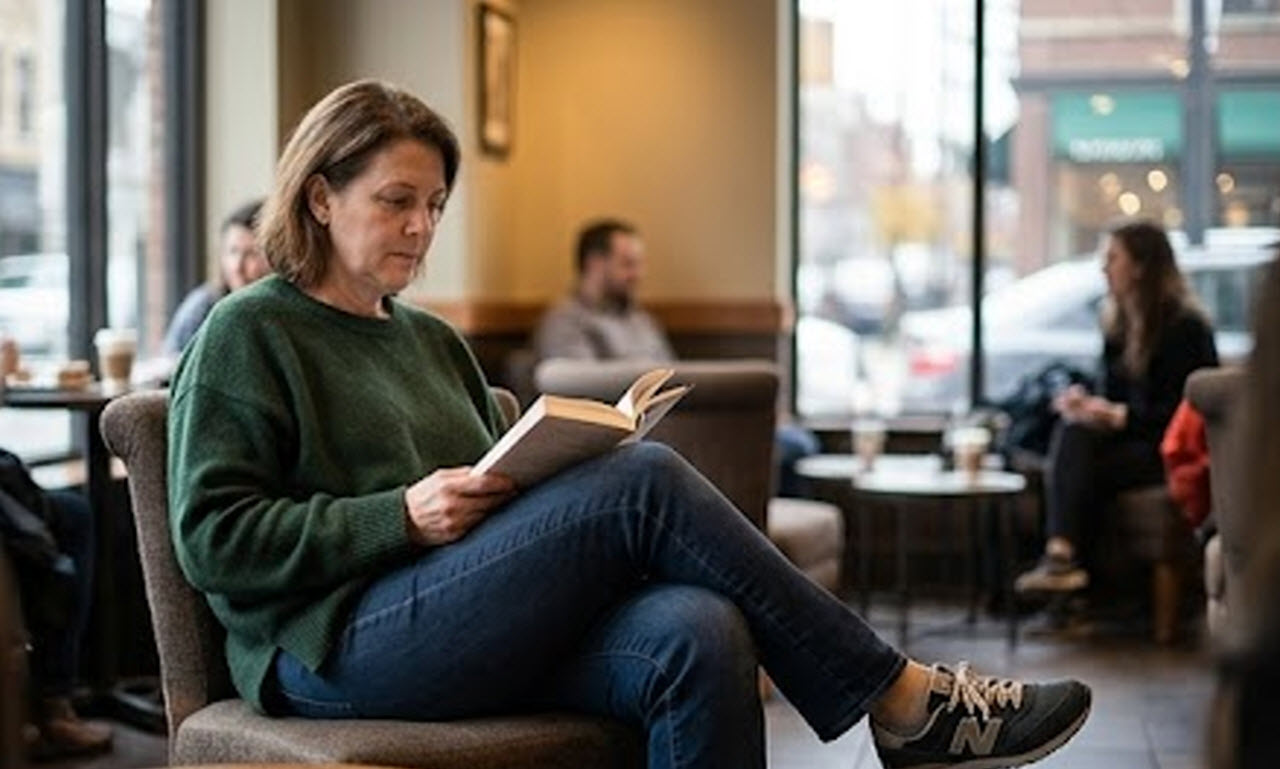
The movement is not random or casual. It is learned, repeated, and reinforced until it feels like part of the body itself. Over time it becomes something that happens before thought even has a chance to step in.
You can watch it happen without anyone noticing.
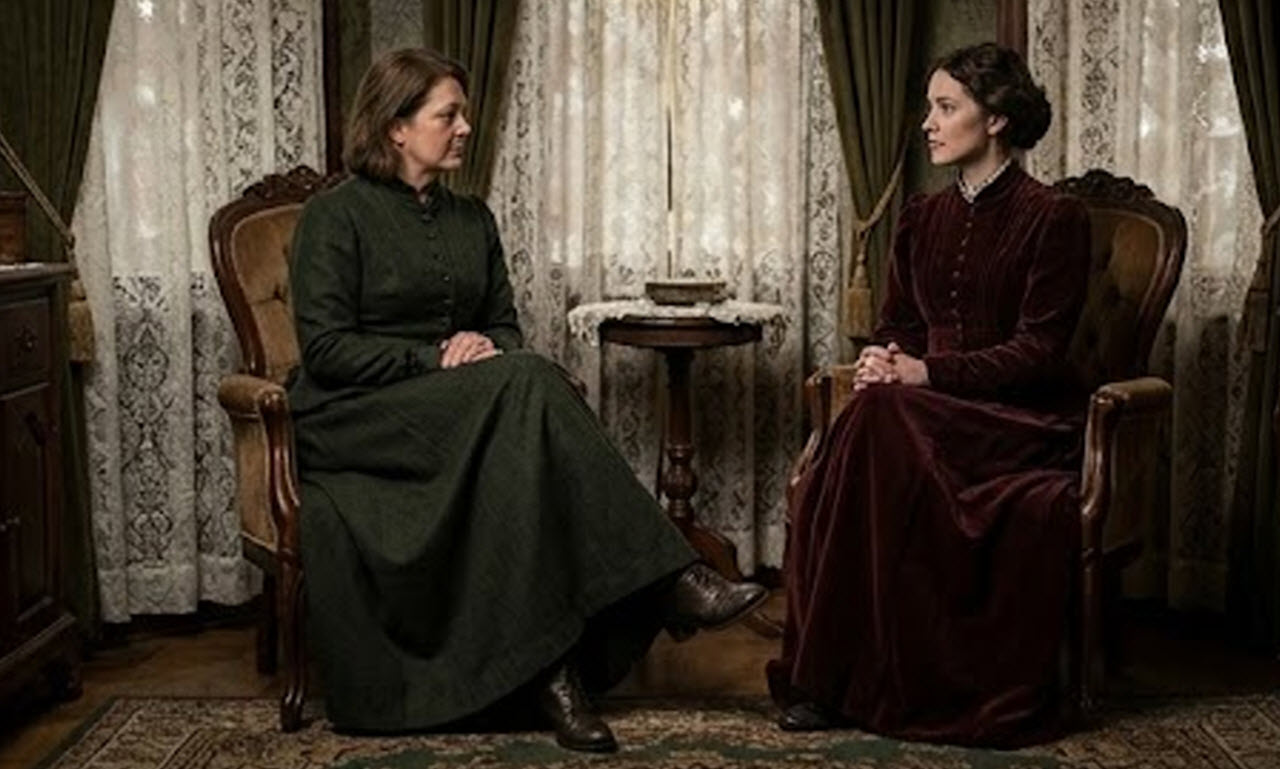
For centuries, expectations shaped how women existed in public spaces. In the Victorian era, long heavy dresses forced the ankles together, creating a posture that signaled restraint and status to anyone looking.
It was never about comfort. It was about presentation and control. Sitting properly became a social requirement, a silent performance that told the world a woman understood her place within its structure.
As clothing changed and hemlines rose, the responsibility shifted upward. Knees replaced ankles as the new guardians of modesty, but the pressure to appear proper never actually disappeared.
The rules just changed shape, not purpose.
Even now, when denim replaces dresses, the body still remembers. The habit lives deeper than clothing. Experts describe it as a reflex, something triggered without conscious decision or awareness.
There is a psychological layer beneath the motion. Crossing the legs can create a subtle barrier, a way of protecting oneself in environments that feel uncertain or exposed without saying a word.
The posture becomes a shield, small but meaningful. It signals distance, control, or even caution depending on the situation, all without needing explanation or acknowledgment.
The body speaks before the voice does.
In tense settings, that posture tightens. Legs cross more firmly, creating a clear boundary that quietly says keep your distance. It is a defensive position shaped by both instinct and experience.
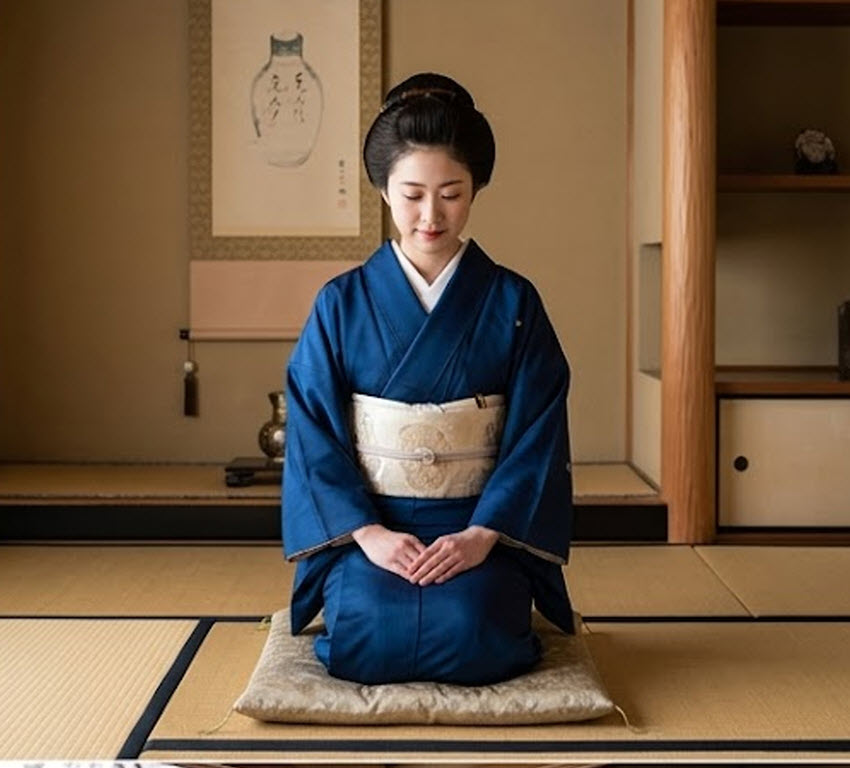
In Japan, this idea takes a more formal structure. The seiza position reflects discipline and tradition, where posture is carefully defined and deviation can carry social meaning beyond comfort.

Different cultures express it differently, but the core idea remains. Space, control, and perception are always part of the equation, even when the movement appears casual on the surface.
Tradition rarely disappears, it just adapts.
In Western settings, the expectations are less obvious but still present. Younger generations challenge them more openly, choosing comfort over tradition, but the influence has not vanished entirely.
Clothing still plays a role. High heels, for example, create pressure that demands relief. Crossing the legs can redistribute weight, offering a temporary escape from the strain of standing or sitting.
It becomes both a practical adjustment and a learned behavior. A solution shaped by fashion, expectation, and physical need, all blending together into one small, repeated action.
Sometimes function hides inside habit.
In professional spaces, the meaning shifts again. The direction of a crossed leg can signal engagement or disinterest. Toward someone suggests attention, while away can imply withdrawal or detachment.
Behavioral experts often point to these cues as some of the most honest signals in a room. They reveal thoughts and reactions that words might carefully avoid or conceal.
This creates tension in environments where presence matters. Women are often balancing expectations of polish with the need to project authority at the same time.
Every movement is being read, whether intended or not.
Coaches now teach awareness of these patterns. Breaking the habit can change how a person is perceived, especially in leadership roles where posture influences how authority is received.
A closed stance can reduce perceived presence, while a more open posture can shift the dynamic of a room. It becomes a strategic choice rather than an unconscious reaction.
Still, changing it is not simple. The habit is deeply rooted, built over years of repetition and reinforcement that cannot be undone overnight.
The body resists what it has always known.
Even at home, the pattern remains. Sitting alone with a book, the same posture can appear without thought, shaped by childhood reminders to sit properly or behave a certain way.
These early lessons settle into muscle memory. Over time they become automatic, no longer tied to rules or correction, but still quietly influencing how the body moves.
There are even discussions about health effects, though habits often persist regardless. The social weight of sitting differently can feel heavier than any physical discomfort.
Comfort is not always the deciding factor.
In the end, there is no single explanation. The crossed leg is part history, part psychology, and part simple convenience. It reflects layers of influence that are rarely considered in the moment.
Each woman carries a different version of that story. It shows up in subtle ways, shaped by environment, culture, and personal experience without needing to be explained out loud.
It is a quiet language expressed through posture. Most people understand it instinctively, even if they never stop to think about where it came from or why it stays.
Some habits speak louder than words ever could.
