
Global tensions have been climbing again, and many people say the situation feels closer to a large scale conflict than it has in years. That atmosphere has brought fresh attention to a long discussed question about President Donald Trump and the military draft.
Recent military strikes carried out by the United States and Israel against Iran pushed those fears higher. Reports said the attacks resulted in the death of Iran’s Supreme Leader, Ali Khamenei, who was killed during airstrikes that took place on February 28.
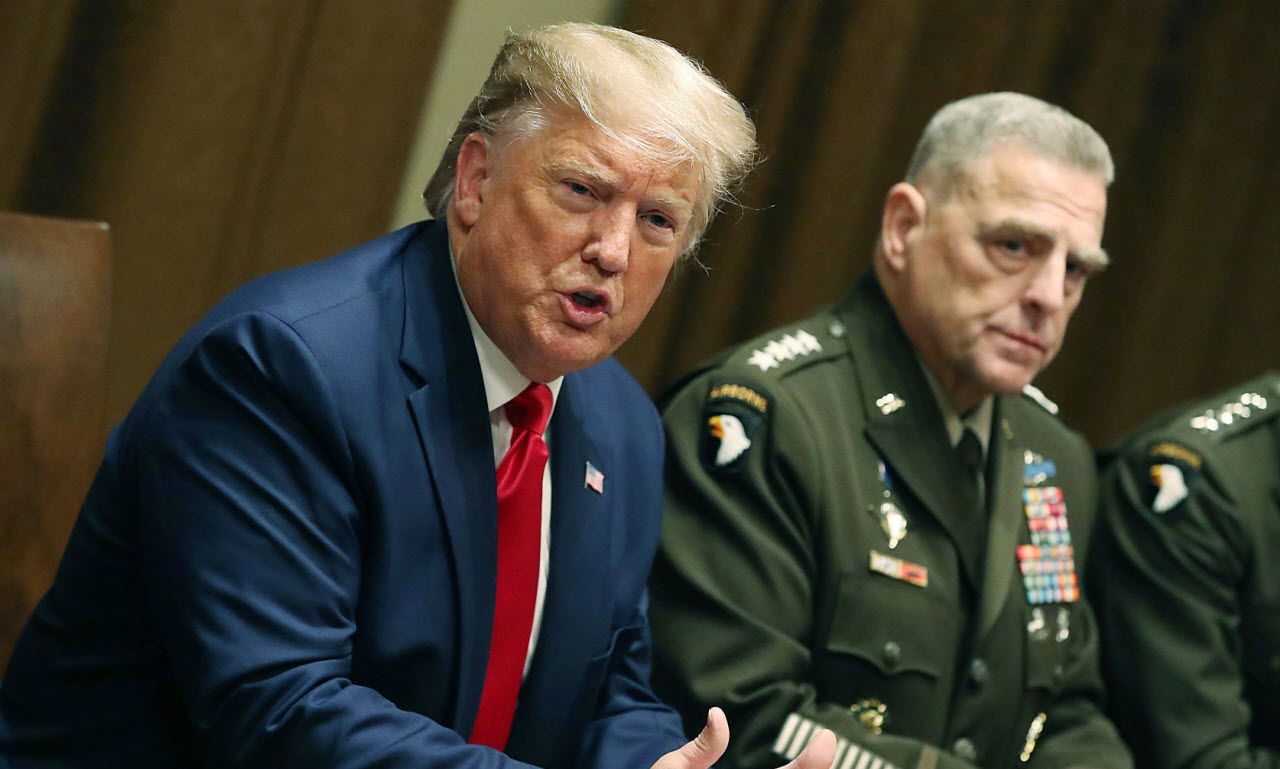
After the strike, Iran quickly announced a new leader, Khamenei’s son Mojtaba Khamenei. The situation in the Middle East has reminded many observers how quickly tensions can rise when military action is taken and how serious the consequences can become.
For several years, the United States and Israel have argued that Iran’s nuclear program and missile development represent a real threat. Officials believe that if Iran develops advanced nuclear weapons or long range missiles, it could endanger Israel, American troops, and other allies.
Critics of Iran’s government have also pointed to how the country handles dissent. Human rights groups and international organizations have accused the leadership of limiting free expression, detaining protesters, and punishing critics who challenge the ruling authorities.
At the same time, some analysts warn that attacking Iran could expand the conflict. While some governments believe weakening Iran’s leadership may reduce its influence across the region, others argue that these moves could trigger a wider war.
Public concern about a possible third world war has also been rising. Surveys in Western countries show many people believe another global conflict could happen within the next decade, and many respondents think nuclear weapons would likely be involved.
In the United States, conversations about war often lead to questions about the military draft. Under current law, all male citizens and male immigrants between the ages of eighteen and twenty five must register with the Selective Service System shortly after turning eighteen.
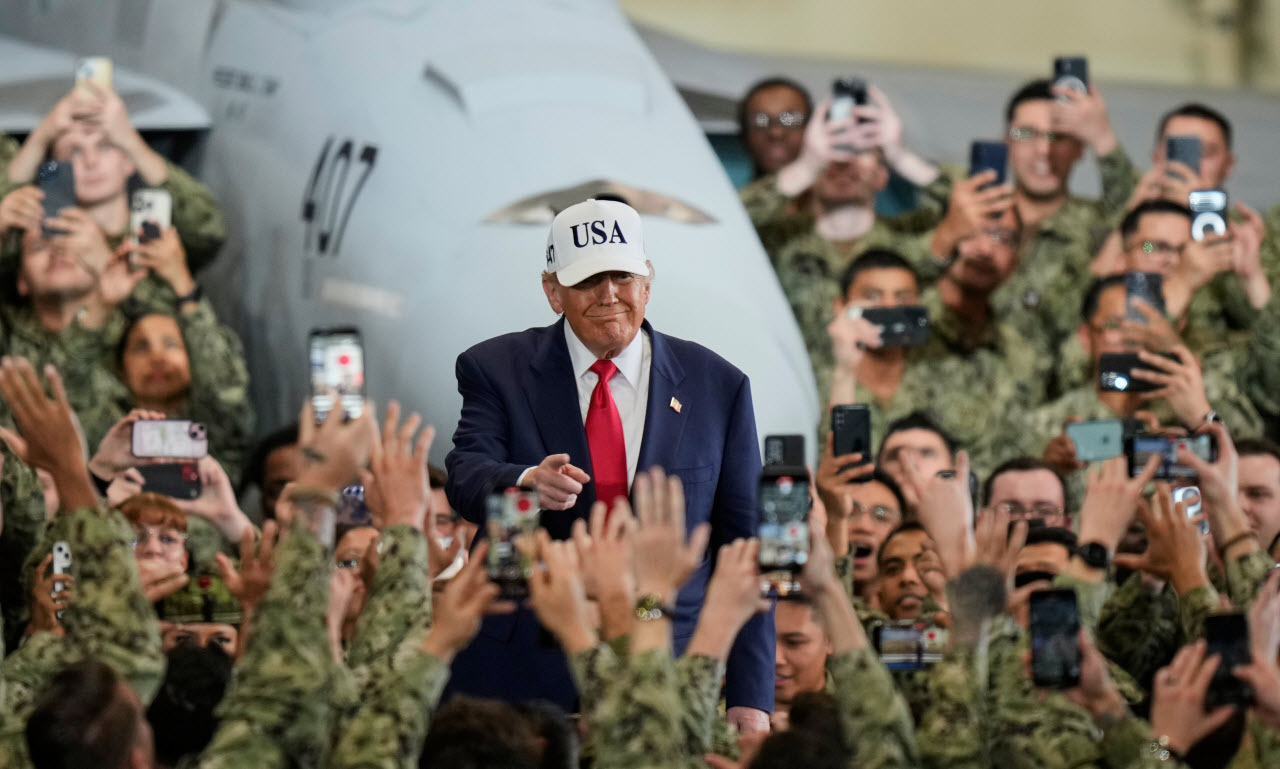
If a draft lottery were activated, men turning twenty during the lottery year would be selected first. If additional personnel were required, the system would move upward through ages twenty one to twenty five before eventually including nineteen year olds and then eighteen year olds.
Certain people may receive deferments or exemptions. Women currently do not have to register, and individuals with serious medical or psychological conditions may also be exempt, while full time students have historically received temporary deferments in some situations.
The renewed debate about the draft has also revived discussion about Trump’s own history during the Vietnam War era. At that time, men eighteen and older could be drafted into military service through the national system.
Trump received four student deferments while he was in college. Later, a medical examination determined that he had bone spurs in both heels, which resulted in him being classified as medically unfit for service.
Bone spurs, also called osteophytes, are bony growths that can develop on bones around joints or along the spine. The condition was cited as the reason Trump received his final exemption during that period.
Meanwhile, attention online has shifted toward Trump’s youngest son Barron, who is now nineteen. Social media posts have circulated widely with some people arguing that he should serve if a draft were ever introduced.
One commenter wrote, “I am not joking about drafting Barron, send him in first.” Another added, “Baron should be the first one to be drafted.” A third person said, “Baron’s name should be at the tippy-top of the list.”
