
The mud was flying and the roar of Ladies Day was hitting a deafening peak. Gold Dancer smashed into the final fence hard, a messy, jarring impact that echoed across the soaked turf.
The seven year old clipped it badly, dragging his back legs through the wood before landing heavy and uneven. It looked wrong immediately, like the kind of mistake that ends everything.
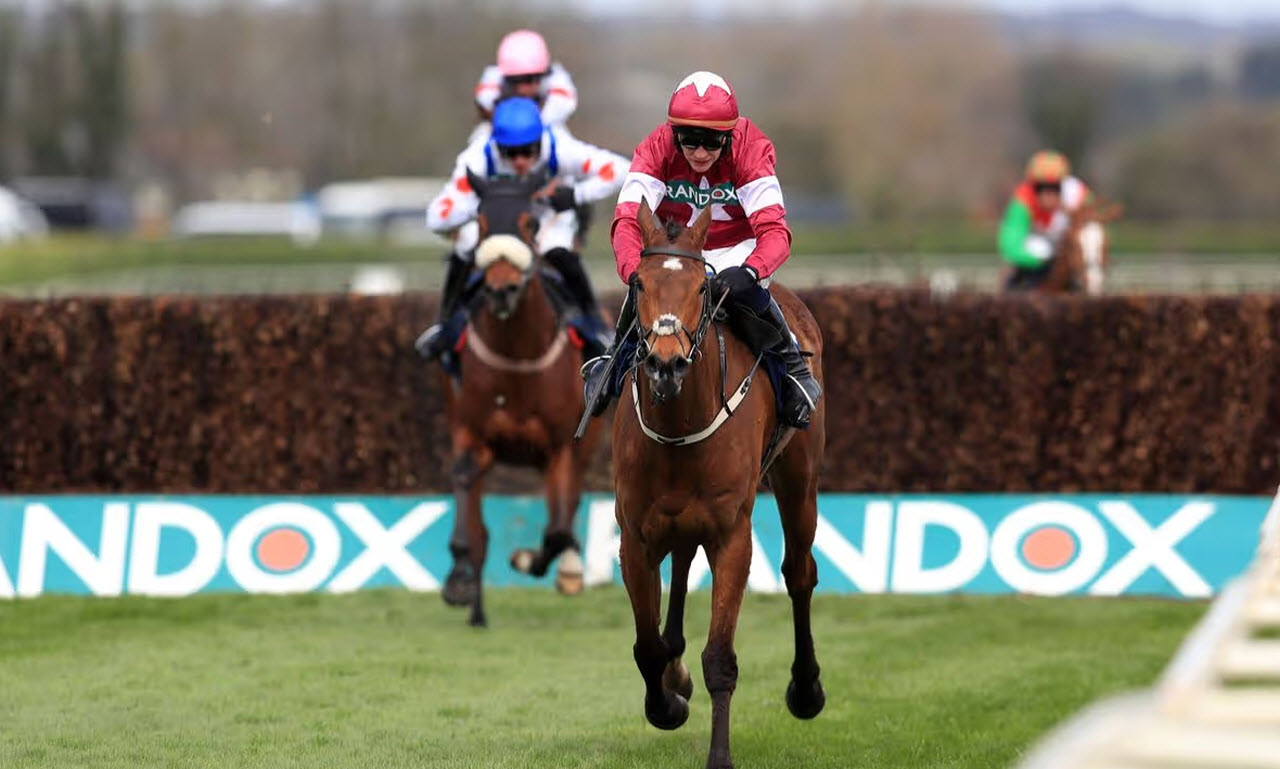
But the jockey did not pull up. Paul Townend stayed low, locked in, eyes forward. He pushed on, whip still moving, asking for more as they drove toward the finish line.
But something was already off.
The crowd kept screaming, hungry for the result, for the moment. They wanted the win, the rush, the photo finish. And the horse kept going, even as something was clearly breaking.
They crossed the line in first place. For a few seconds, Gold Dancer was the winner, the story, the champion. Then everything shifted and the moment collapsed in on itself.
The speed dropped and the rhythm vanished. What looked smooth just seconds before started to unravel, and that perfect run turned into something hard to watch.
And then it became obvious.
A sharp, unnatural change in movement gave it away. The stride broke down into something uneven and labored, no longer fluid, no longer controlled.
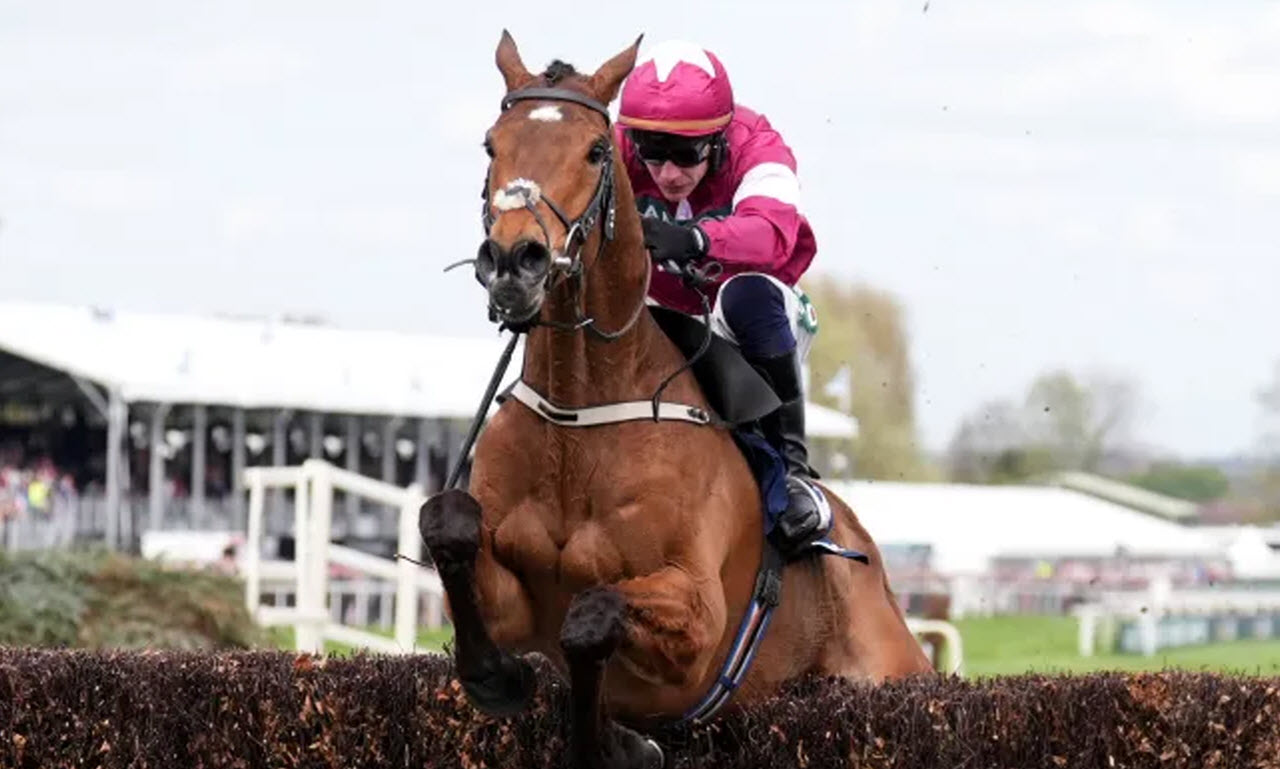
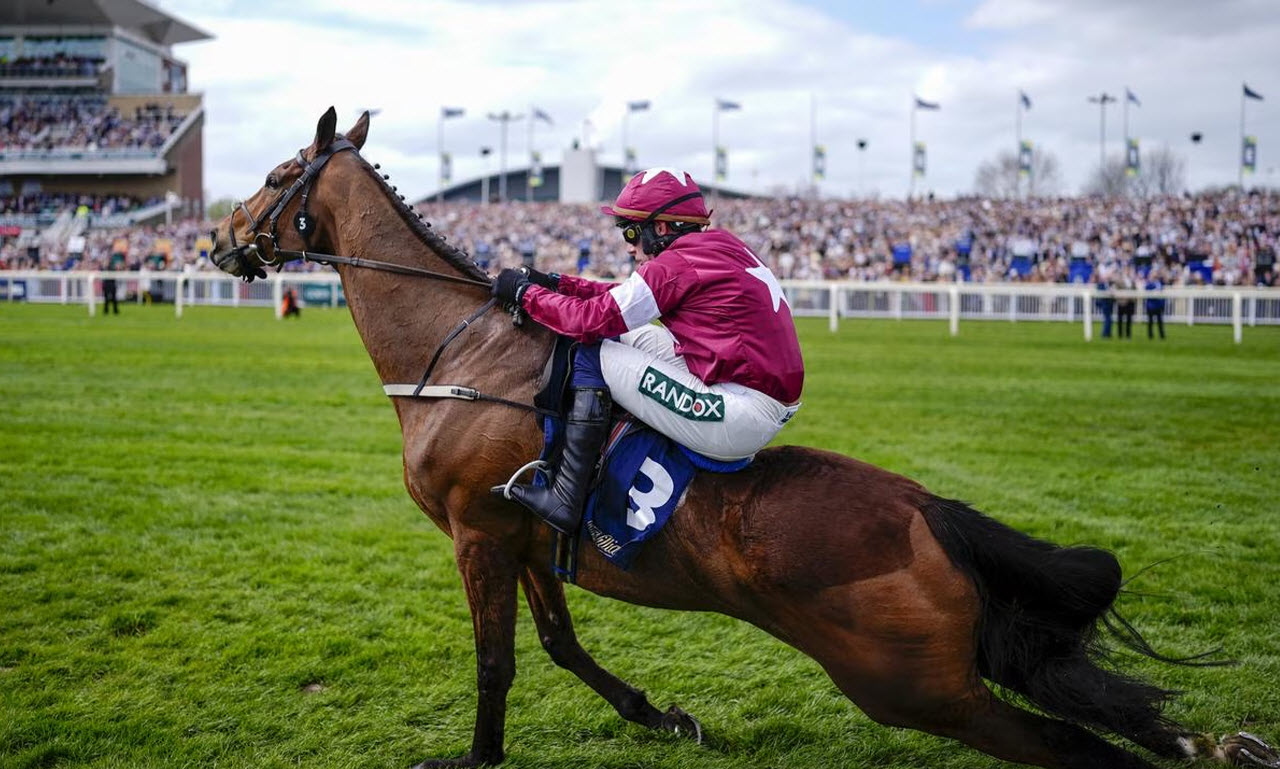
Townend felt it and got off quickly. The green screens came up almost immediately, blocking the view. In racing, those screens mean the worst is already understood.
The diagnosis came fast and final. A broken back. The horse had pushed through the finish, but there was no recovering from what had happened underneath him.
That was the real story.
He was euthanized right there on the track, while celebrations were still happening nearby. A win on paper, but a cost that could not be ignored.
Then the backlash started. Viewers at home questioned everything. They saw the impact, the stumble, and the way the back legs failed to respond properly.
One question dominated the conversation. Why did the ride continue when something looked so clearly wrong in that final stretch?
But the footage told a different story.
The stewards launched an enquiry, reviewing footage from every possible angle. They slowed it down, studied each stride, and looked for any sign of visible distress.
Officials, including James Given from the BHA, searched for evidence that the horse showed pain before the finish. They focused on movement, posture, and response.
But the replay showed a horse running straight, maintaining form until the very end. No obvious sign appeared until after the line was crossed and the pace dropped.
So how could anyone know?
The jockey was cleared. Officials stated there was no clear way to know during the race. Everything felt normal until the moment it suddenly did not.
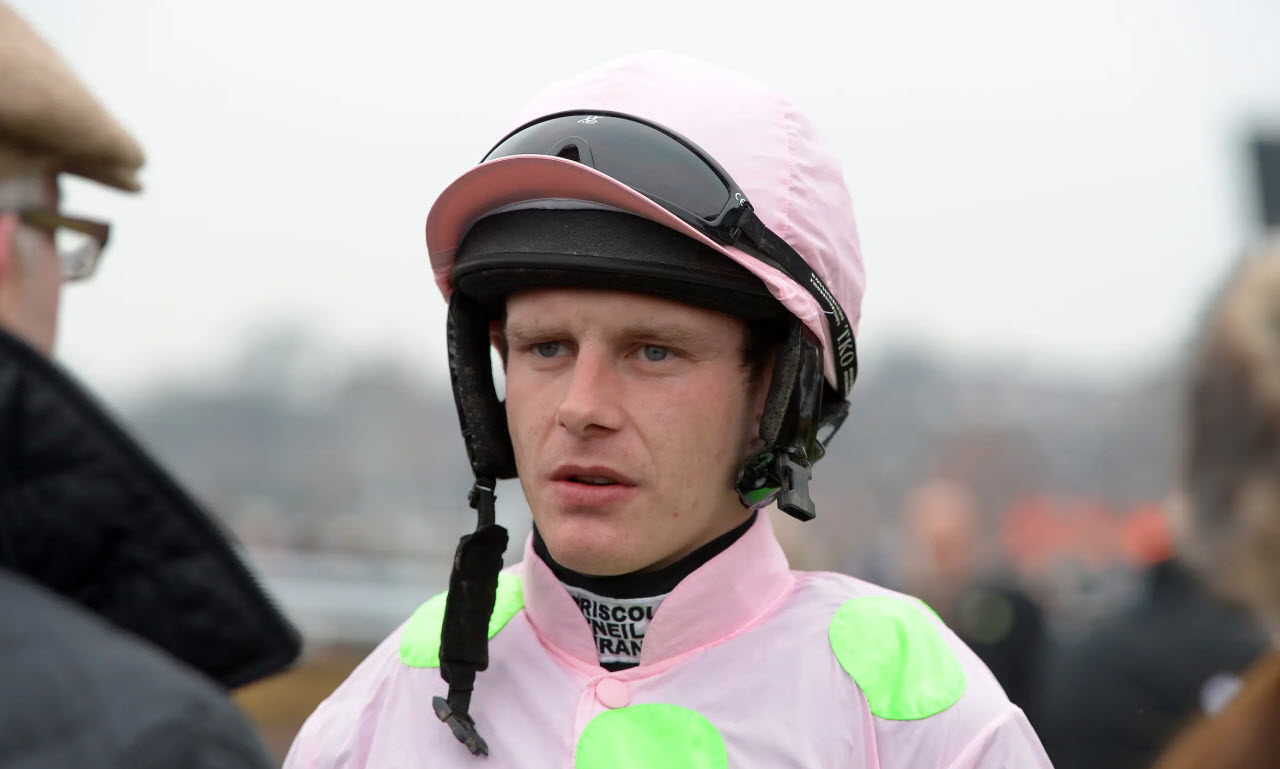
Townend told them the horse felt fine throughout the run. He said there was no signal, no warning, nothing that suggested what had already happened.
Critics were not convinced. PETA and others called it inevitable, pointing to the structure of the race itself and the risks built into it.
And it did not end there.
They highlighted the distance, the speed, and the repeated strain placed on the horses. To them, this was not an accident but part of a larger pattern.
Another horse, Get On George, died the following day. Two deaths in forty eight hours brought even more attention to the dangers surrounding the event.
The trainer maintained the horse was sound until the end. He said the issue only became visible once the pressure eased and the pace came down.
That part stayed with people.
Townend returned the next day and won the main race. He stood on the podium, but the shadow of what happened the day before was still there.
Officially, it remains a victory. The record books will reflect that result. But the image of that final stretch is what people will actually remember.
In the end, it was not a clean win. It was a moment that left more questions than answers, and a finish line that did not feel like one at all.
