
The photo shows a sweet baby with soft eyes, born to a working-class family in Chicago. His Polish immigrant parents gave everything to their children and called him a walking brain.
He played trombone, skipped grades, and reached Harvard at just 16. By every measure, he looked like the American dream in a small frame, carrying gifts that would later twist.
Those gifts would not stay harmless for long.
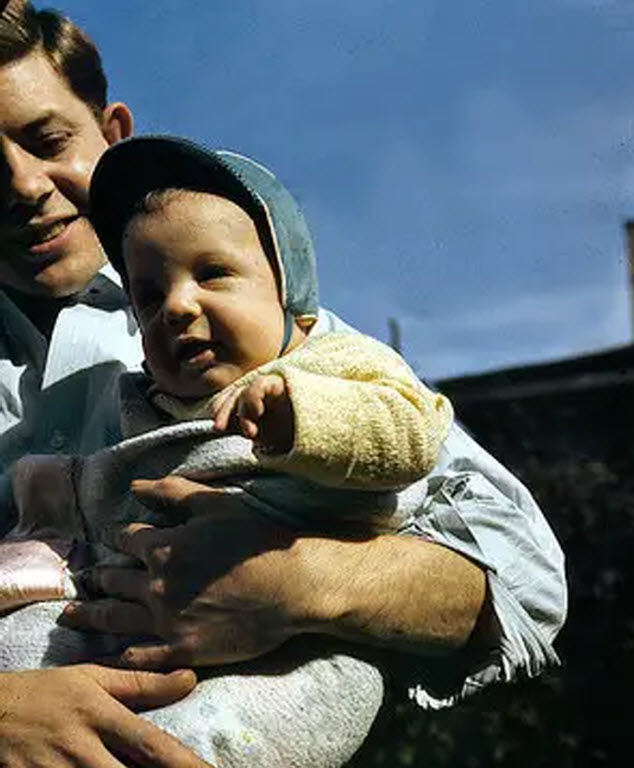
He was born in 1942 to a father who made sausages and a mother devoted to his future. At school he was bright and healthy, until a move to Evergreen Park changed everything.
Tested at an IQ of 167, he was pushed into sixth grade too early. Small and young, he faced older kids who mocked him, and the pressure began to reshape him.
He graduated high school at 15 and entered Harvard on scholarship. A classmate later said he was not ready for that leap into a world far beyond his years.
Living quietly among other young students, he stayed withdrawn. Then in his second year, he joined a psychological study that would leave deep marks on his mind. It was led by a man named Henry Murray.
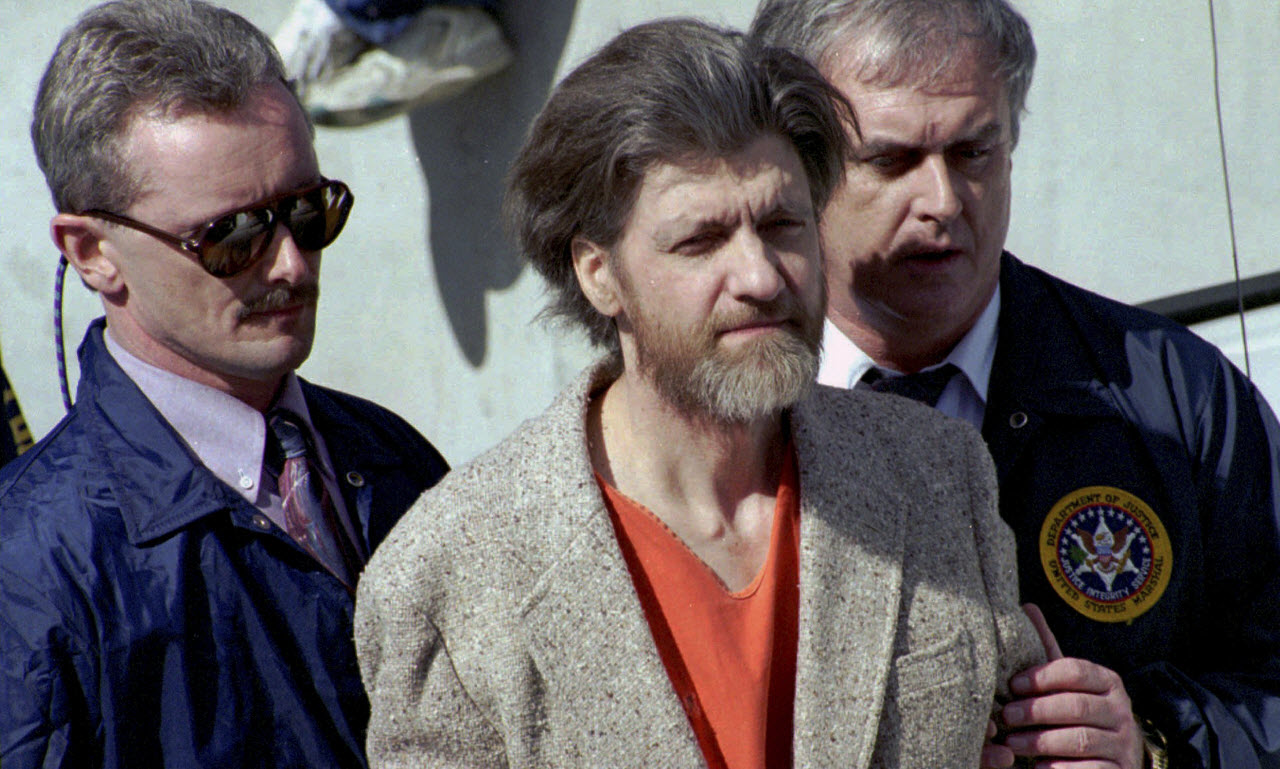
This quiet genius was Theodore John Kaczynski. The world would later know him as the Unabomber, but at Harvard he was still forming, still fragile.
For 200 hours, he endured harsh verbal attacks in that study. His beliefs were torn apart and his ego humiliated in what felt like a calculated breakdown.
That was where something dark began to grow.
Kaczynski continued to excel, mastering complex math in Michigan. His advisor said he was beyond brilliant, the best they had ever seen in their program.
By 25, he became the youngest assistant professor hired at Berkeley. He stood on a fast track to power, recognition, and a future few could imagine.
Then he disappeared without warning.
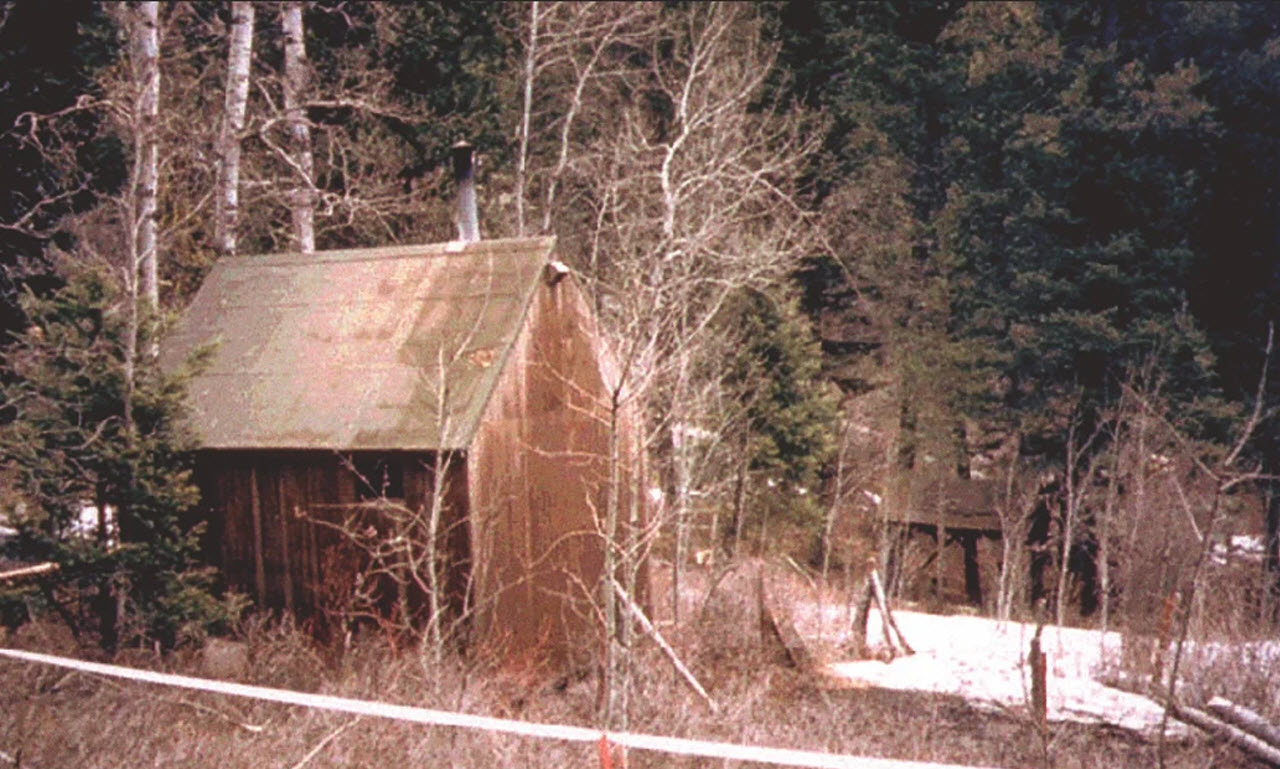
In 1969, he quit and left it all behind. After a short stay in Illinois, he moved deep into the woods of Montana to live in isolation.
He built a small cabin with no water or electricity. With only basic tools, he read old books and tried to detach from modern society completely.
For a time, the silence felt like freedom.
That peace shattered in 1983 when he found a road cutting through a place he loved. To him, it meant the system had finally invaded even the wild.
He decided survival was no longer enough. The desire to disappear turned into a need to fight back against what he saw as destructive forces.
The shift was quiet, but irreversible.
He began with small acts like fires and traps. He read The Technological Society obsessively, treating its ideas like a guiding doctrine for his beliefs.
Soon, the anger outgrew the forest. He started building crude devices, filling small packages with metal fragments and carefully planned harm.
The first explosion came in 1978.
A bomb detonated in a Chicago parking lot, then another targeted a student. In 1979, a device was placed on an American Airlines flight midair.
Smoke filled the cabin, forcing an emergency landing. Experts later said the bomb had enough power to kill everyone on board if it had worked fully.
The attacks did not stop there.
Over seventeen years, the damage grew. Victims lost limbs, senses, and lives, from professors to store owners, each targeted through mailed packages.
The FBI spent millions chasing a ghost who left no prints. He used simple materials and planted misleading clues to stay hidden.
Still, he wanted to be heard.
In 1995, he sent a 35,000-word manifesto to newspapers, demanding publication or more violence. The government debated, then allowed it to be printed.
Thousands read the essay, but one reader felt something deeper. The voice, the rhythm, the phrasing felt painfully familiar to him.
It was his brother speaking.
David Kaczynski recognized the patterns and searched old letters. The similarities became undeniable, forcing him into a devastating decision.
Choosing between family loyalty and public safety, he contacted the FBI and shared what he had found.
That call changed everything.
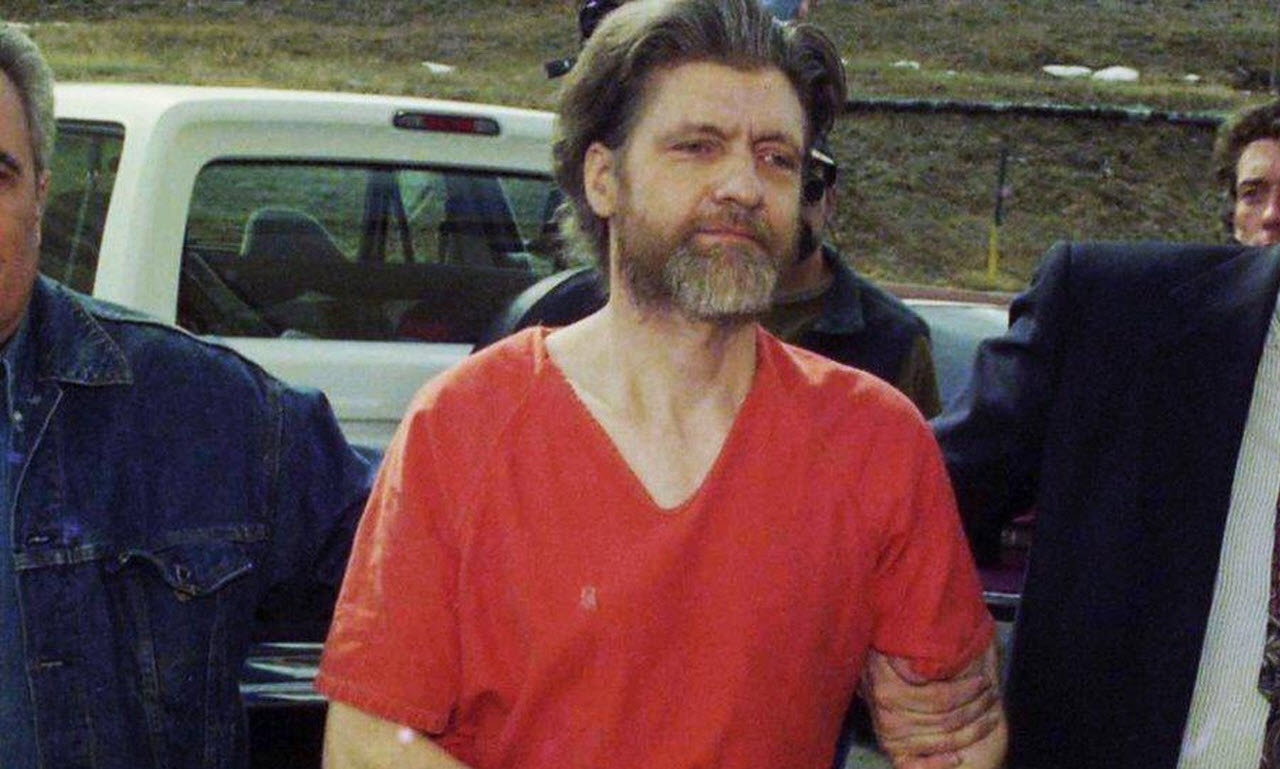
In April 1996, agents arrived at the Montana cabin. Inside, they found Ted, thin and unkempt, surrounded by tens of thousands of written pages.
His journals detailed experiments, each crime numbered and analyzed. Some entries described deaths with chilling detachment and even satisfaction.
The long search was finally over.
Kaczynski pleaded guilty and was sent to a high-security prison in Colorado. There, he lived out his days largely in isolation among other notorious inmates.
In 2023, at age 81, he ended his life. The boy once called a prodigy was gone, but his legacy remained deeply unsettling.
A brilliant mind, remembered for destruction.
