
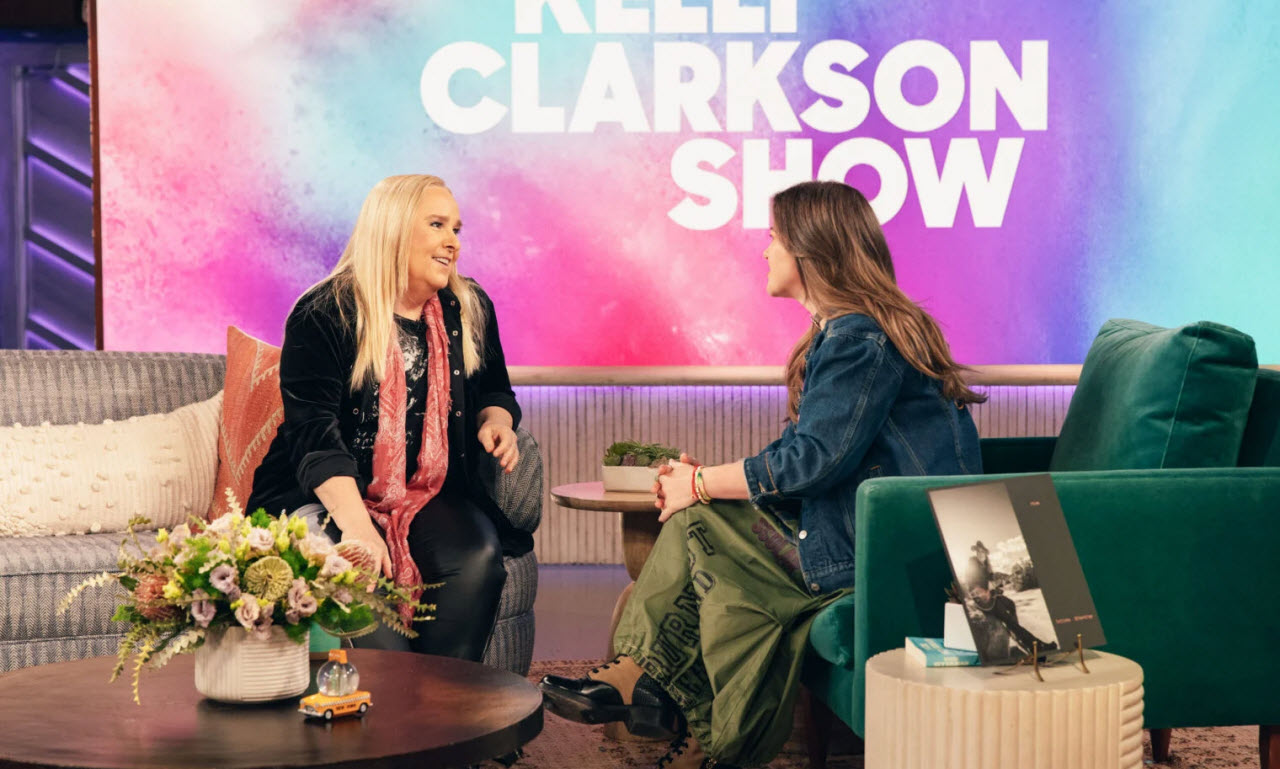
Melissa Etheridge sat with Kelly Clarkson in a studio. The women carried the weight of decades in the music industry. But the conversation quickly shifted to something personal.
They discussed raising kids in a world obsessed with labels. It is a burden for mothers. For two self-proclaimed tomboys, the topic hit a nerve.
The shadow of expectations loomed over their children.
Melissa came out publicly as a lesbian in 1993. It was a massive cultural moment. But her late son Beckett had a different revelation waiting for her.
He pulled his mother aside. Beckett was carrying a secret he felt guilty about. And when he confessed his truth the rock star was surprised.
The words redefined their mother and son dynamic.
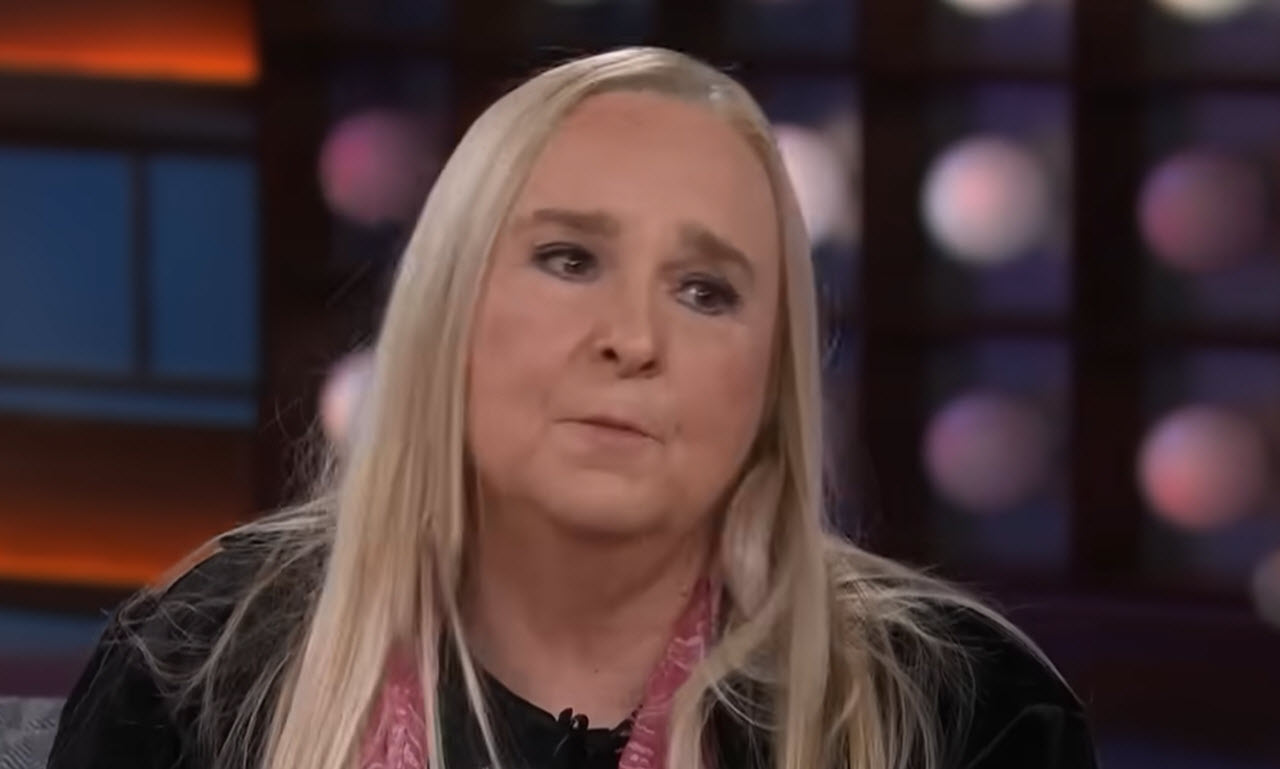
The singer explained how things were heavily gendered during her childhood. She loved sports and cars. So she wrote a song rejecting Barbie dolls and baking ovens.
She sang the lyrics loud and clear. She said, “No Easy Bake, no Barbie dolls, I got my Hot Wheels and my Super Ball, My G.I. Joe marching down the hall.”
The pink aisles of the toy store felt like a trap.
Kelly nodded in total agreement. She understood the deep isolation. She said, “I was a total tomboy. I was interested in everything, and it was weird for a lot of my little girlfriends.”
Melissa looked back on her youth. She commented on the reality of playthings. She said, “it’s funny how you never think that children’s toys are so male or female oriented.”
The pressure to conform crept into a new generation.
Both women acknowledged the world has evolved. But old expectations refuse to die completely. Navigating stubborn rules brings deep frustration.
Kelly brought up her ten year old son. She loved seeing modern men destroying old stereotypes. But her boy was told he could not paint his nails.
A bottle of polish sparked a bitter reality check.
The harsh judgment from outsiders stung. Kelly desperately wanted her young boy to feel comfortable and safe in his own skin.
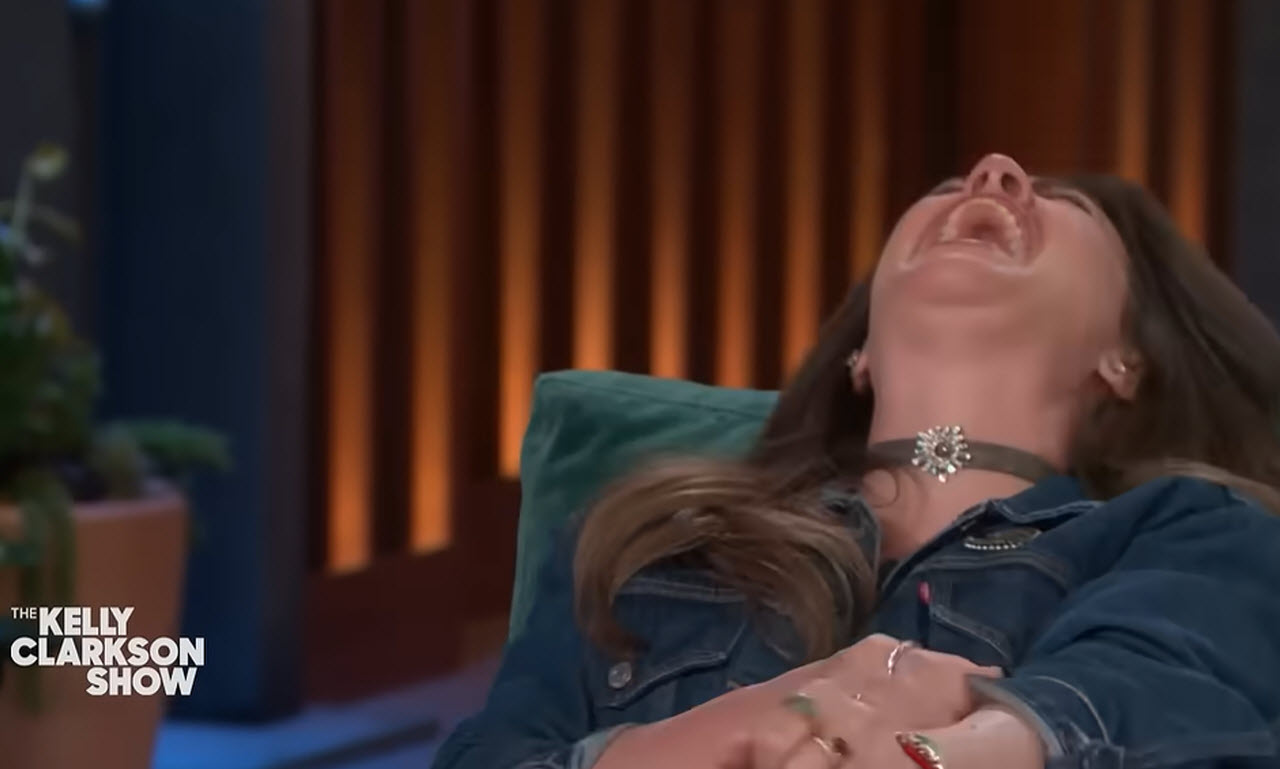
She said, “I was like, ‘You can do whatever you want.’ And so there still is that influence of like, what is boy, what is girl, sometimes. And it’s annoying, especially when you’re a parent, you’re like, ‘Just do whatever you like. It’s fine.'”
The influence of peers was a daily battle.
Melissa understood the struggle. Voices are loud. She said, “I remember my oldest son, Beckett, who actually passed away. When he was about 11, he came to me, and he goes, ‘Mom, I’m sorry, but I think I’m straight.'”
Kelly found the story incredible. She laughed at Beckett apologizing. He acted like he was letting his mom down because he was straight.
The ultimate twist was a boy apologizing for his identity.
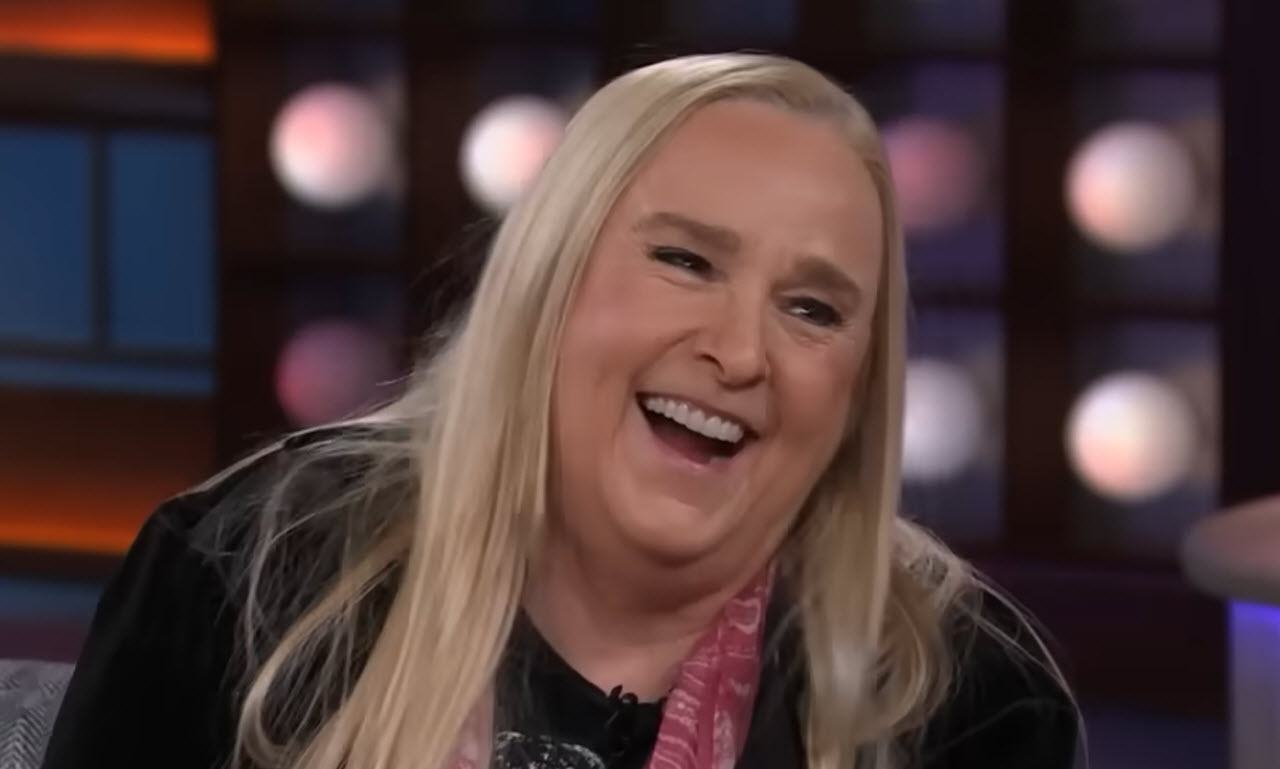
The audience roared with laughter. Melissa smiled warmly at the irony. She joked, “I tried to tell him it was a phase but”
Kelly completely understood the underlying humor of the situation. She immediately chimed in with, “We were trying to pray the straight away”
Laughter provided an escape from the tragedy of his absence.
Before the jokes started, Melissa shared a truth. She said, “The kids come in who they are anyway and just watching them find that is really special.”
The story of Beckett is layered with grief. He died in twenty twenty at the young age of twenty-one. A brutal battle with opioid addiction claimed his life.
Melissa carries his memory forward every single day. She relies on the pure love of her other three kids. Her dear daughter Bailey and her twins Johnnie and Miller keep her moving right along now.
