
The girl in the faded photograph looks innocent enough. She was raised in a Jewish home in Salt Lake City where her family often kept their heritage a secret from the neighbors. It was a childhood built on layers of silence and unexpected hardship.
But the quiet did not last long for her. Between the pressures of religion and a battle with illness, her early years were a crucible. And then came the moment that changed the physical chemistry of her mind.
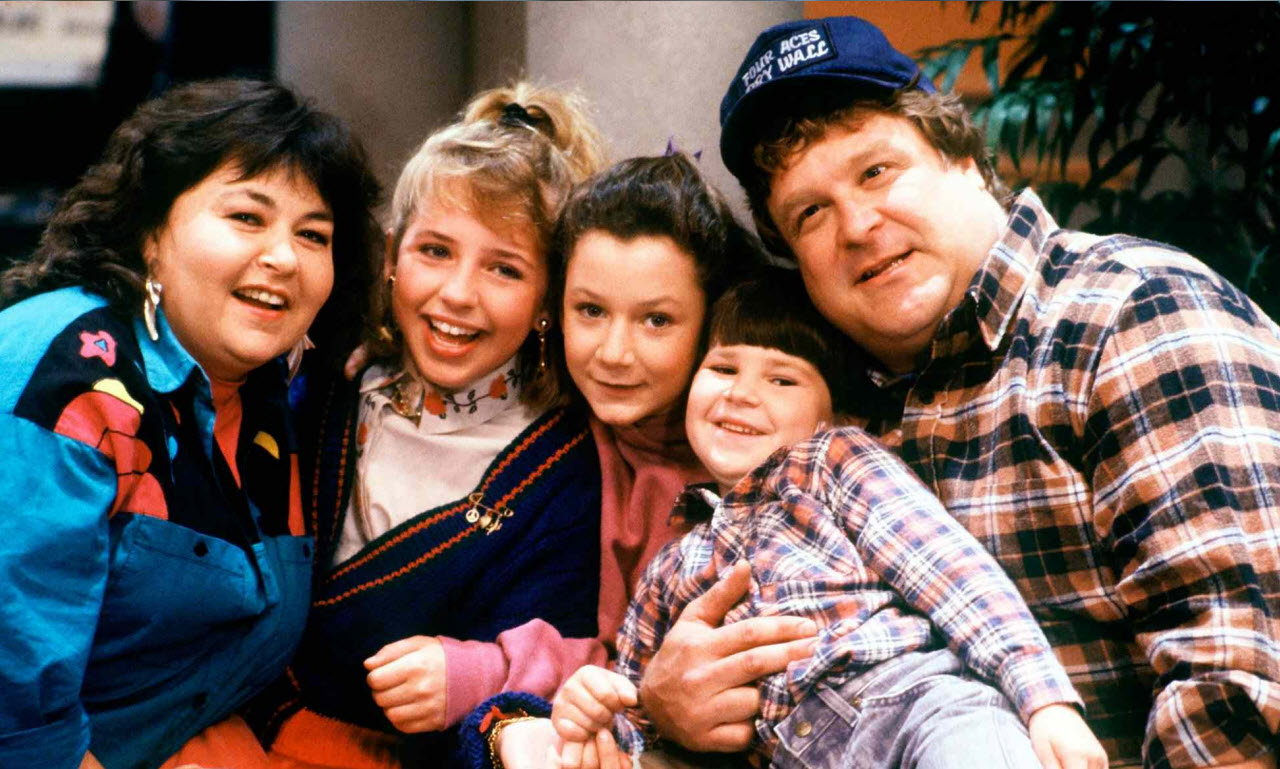
At sixteen years old, a car struck her. The impact was devastating and led to a traumatic brain injury that altered her path forever. She spent eight months inside the walls of Utah State Hospital.
The girl who left that hospital was not the same one who entered. By eighteen, Roseanne Barr turned her back on Utah and fled to Colorado. She left her past behind, including a newborn daughter she placed for adoption.
The stage was the only place where the noise in her head finally made sense.
She spent years grinding in Colorado comedy clubs. She cultivated a persona that felt like a punch to the gut for suburban America. And people listened because she spoke a language they recognized.
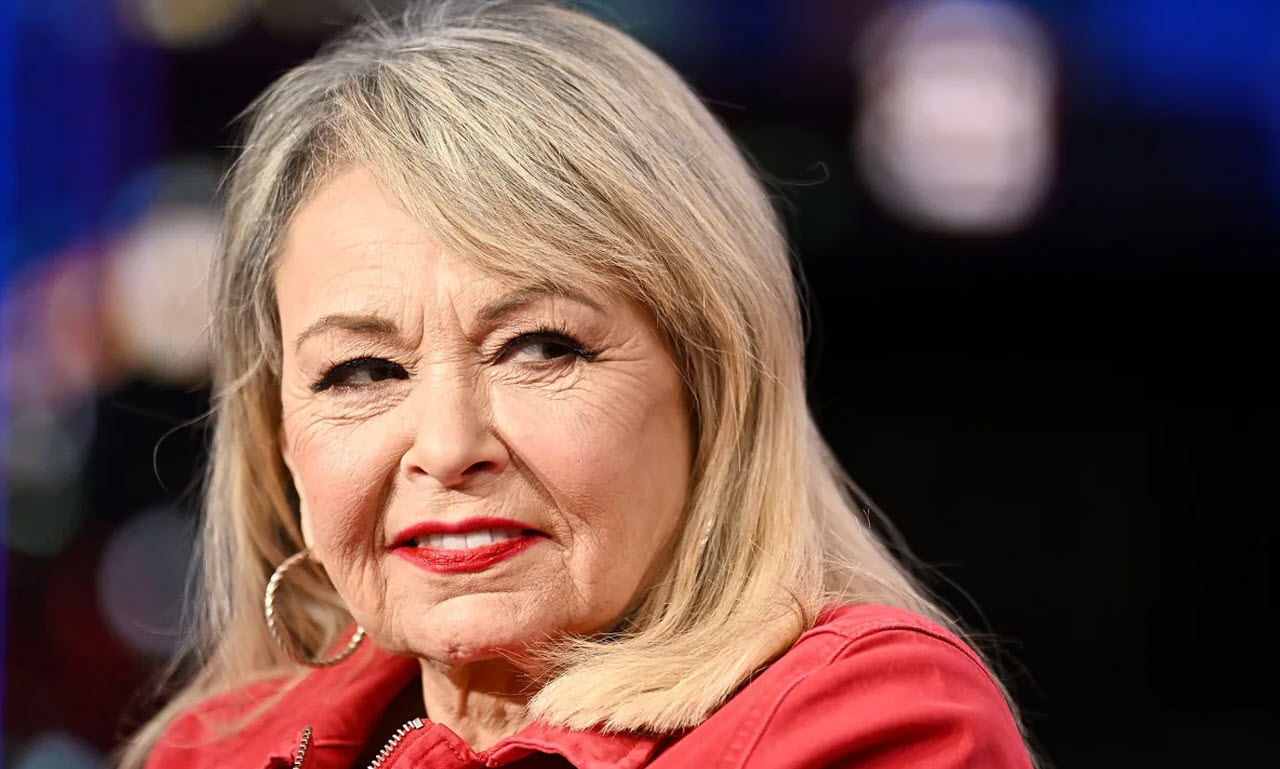
She called herself the Domestic Goddess. It was a title rooted in the exhaustion of working-class motherhood and the grit of everyday survival. By the late eighties, the industry finally took notice.
The world saw a woman who refused to be a polished sitcom trope.
Roseanne Barr became the face of the most honest show on television. The sitcom was a gritty mirror held up to the American dream. It showcased unpaid bills and genuine family friction instead of white picket fences.
And for a while, Roseanne was the undisputed queen of the screen. She earned an Emmy and a Golden Globe. She was one of the highest-paid women in the history of the medium.
But the shadow of controversy was already beginning to stretch across her spotlight.
In 1990, she stood on a baseball mound in San Diego to sing the National Anthem. It was a performance that would live in infamy. She shrieked the lyrics and grabbed her crotch before spitting on the dirt.
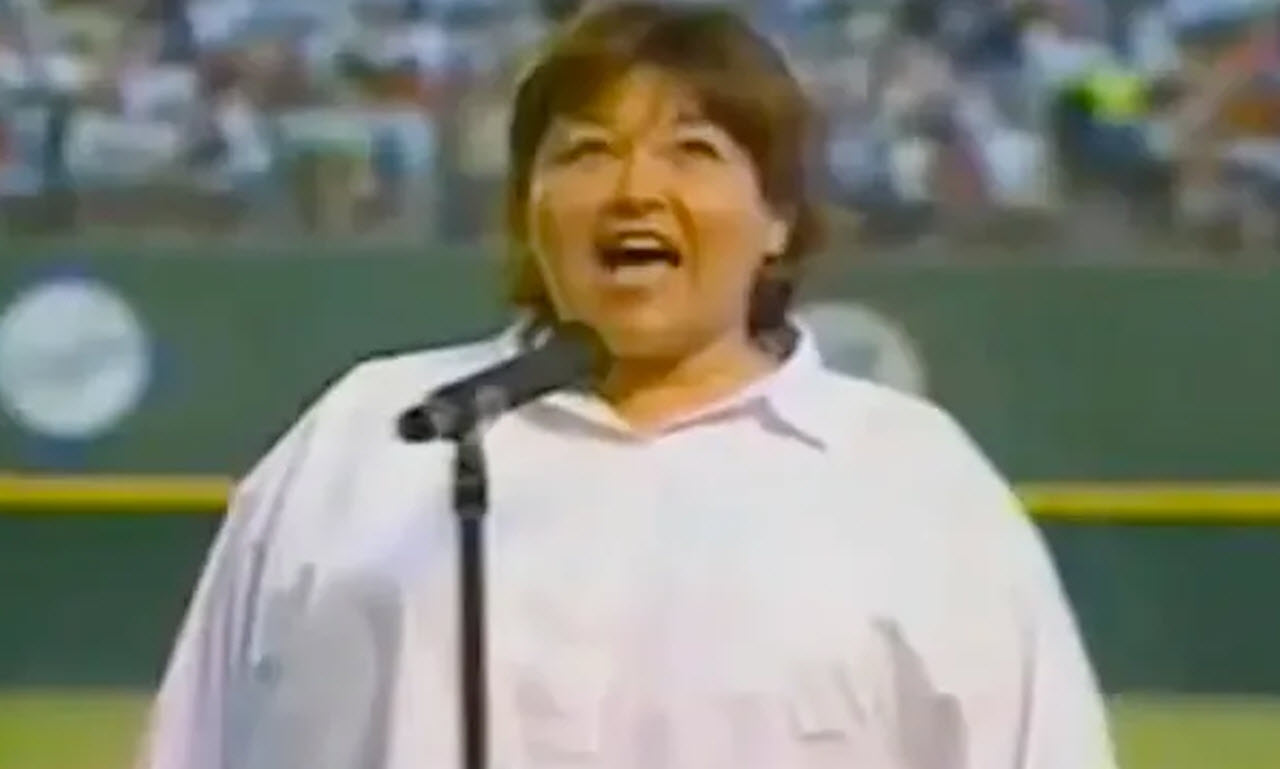
The backlash was instant and tectonic. Even President George H.W. Bush felt the need to weigh in, calling the display disgraceful. It was the first sign that Roseanne would rather be hated than ignored.
The laughter was starting to turn into a collective gasp of disbelief.
The scandals began to pile up like cordwood. She leveled shocking accusations of abuse against her parents, only to later walk back the specific terminology she used. She was a woman constantly at war with her own narrative.
Then came the photo that many thought was the final straw. She posed as Adolf Hitler for a magazine, pulling burnt cookies out of an oven. She claimed it was satire, but the public saw a bridge too far.
She leaned into the chaos of the digital age with a fervor that frightened her peers.
By 2018, it seemed like the world had forgiven Roseanne. Her show returned to massive ratings, bringing in eighteen million viewers who were hungry for her brand of honesty. But the revival was built on a foundation of sand.
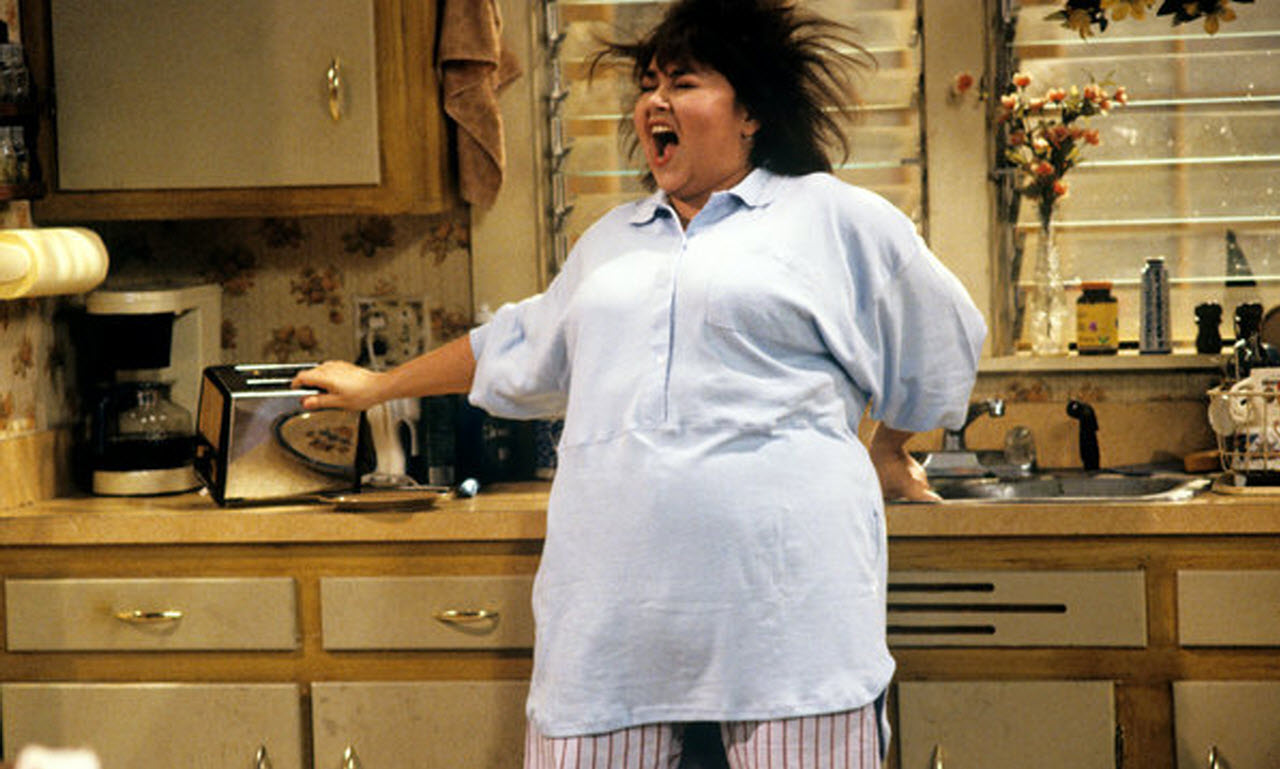
One night, she posted a racist tweet about Valerie Jarrett. The fallout was immediate. Within hours, the network pulled the plug on their biggest hit, calling her words repugnant.
The queen of the trolls had finally found a bridge she could not cross.
Roseanne blamed the medication. She blamed her co stars. She watched from the sidelines as her show was scrubbed of her name and rebranded as The Conners. Her life’s work was continued by the people she felt betrayed her.
Today, she remains a figure of intense political friction. She runs for office and promotes theories that keep her name in the headlines. She is the woman who chose the fire over the fame every single time.
She was once just a little girl from Salt Lake City. Now, she is the most divisive voice of a generation.
