
The ancient bones lay silent for thousands of years. Historians thought they already knew the story of how the very first people stepped onto the American continent.
They told a tale of a frozen trek across land. But a hidden code inside the cells of living descendants was waiting to shatter that exact story.
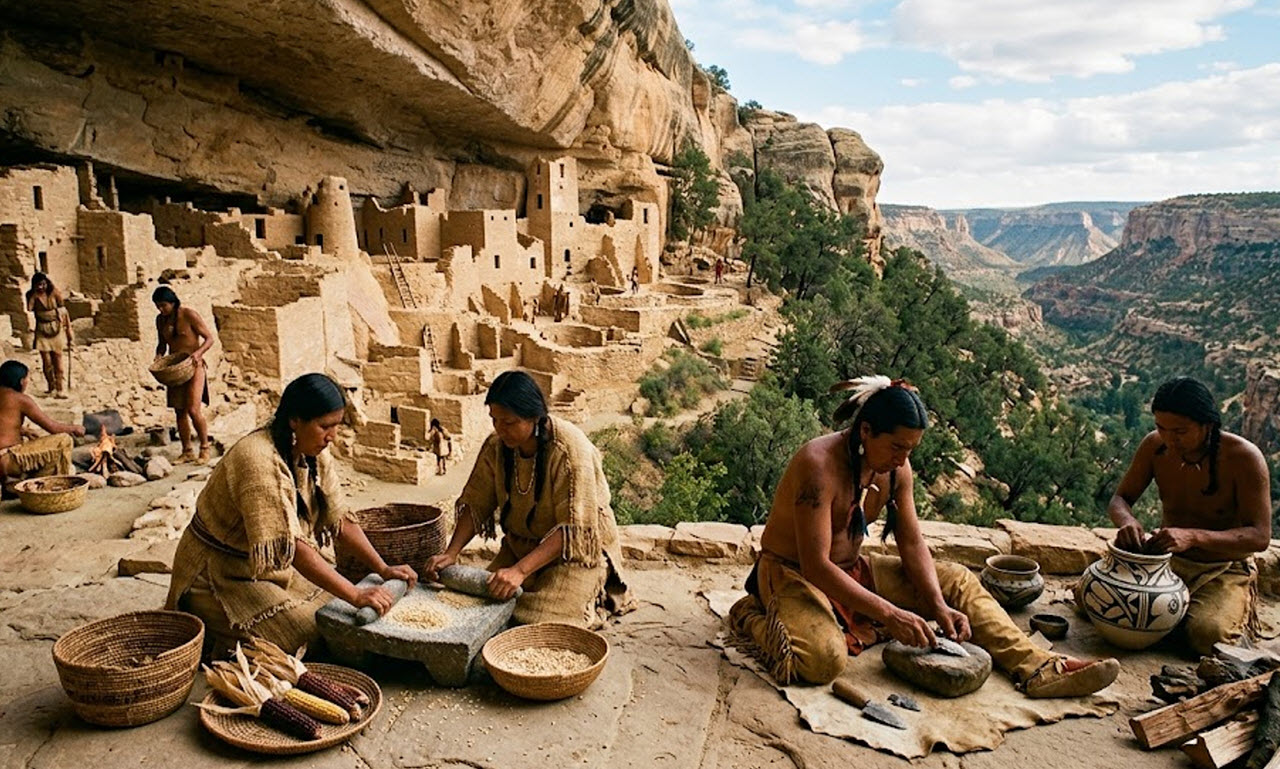
Scientists wanted answers about the deep past of Native Americans. They did not look at standard history books. Instead, they unlocked mitochondrial DNA, the deep genetic material passed down strictly from mothers to their children.
They were hunting for a ghost line.
They focused intensely on a rare genetic group called haplogroup D4h. This specific cell marker belongs to the earliest Native American populations.
Experts gathered a massive mountain of data, including one hundred thousand modern samples and fifteen thousand ancient ones.
The ancient genetic map suddenly lit up across two continents.
The team identified 216 living individuals and 39 ancient people who shared this exact line. The map stretched from coastal China straight into California, Mexico, Peru, and Chile. The old ideas of a simple crossing were falling apart.
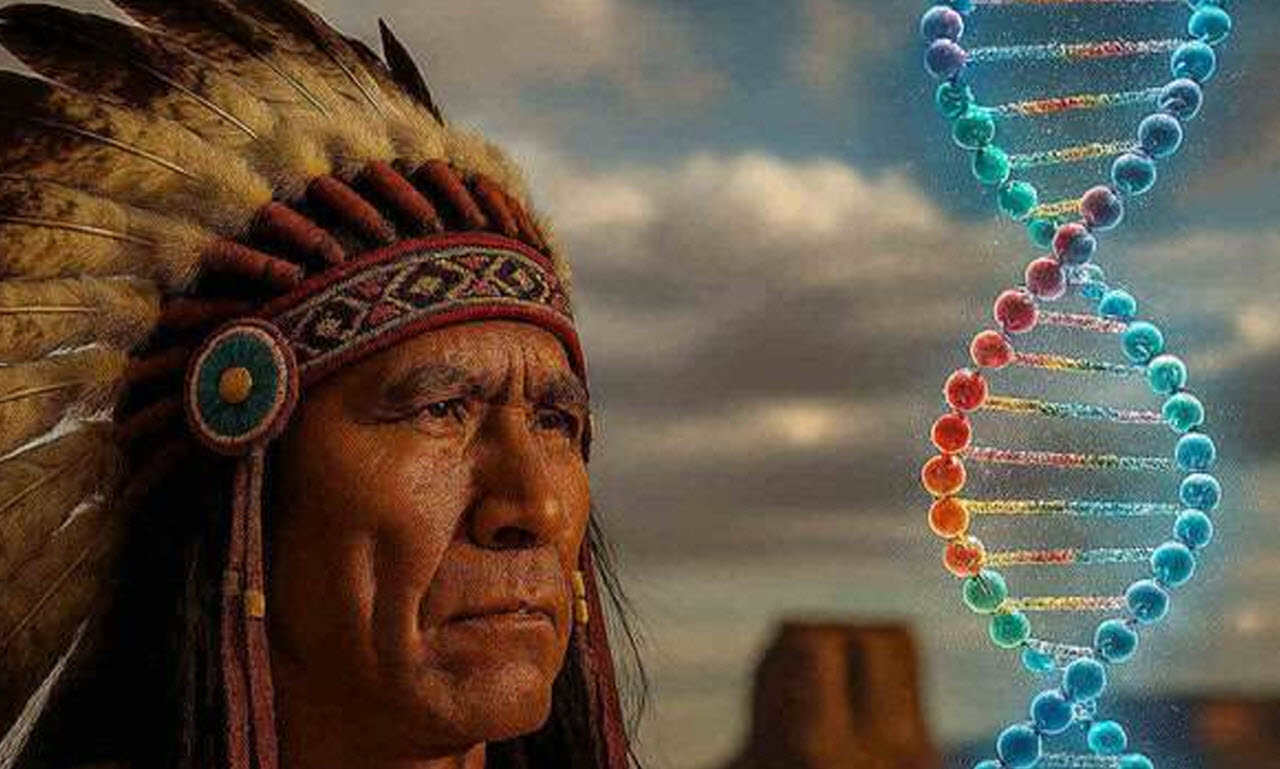
Yu-Chun Li, a molecular anthropologist at the Chinese Academy of Sciences, looked at the data. The ancestry of Native Americans was far more intricate than anyone admitted.
The old story focused mostly on Siberia, but these cells proved that northern coastal China also contributed to the deep gene pool.
The data revealed a desperate escape from the cold.
The first great migration wave happened between twenty-six thousand and nineteen thousand five hundred years ago. The Ice Age was brutal. Harsh environments along northern coastal China forced these families to move.
They did not cross the famous Bering Land Bridge.
Instead, they followed the cold waters of the Pacific coastline. They moved by boat or walked the edge of the world.
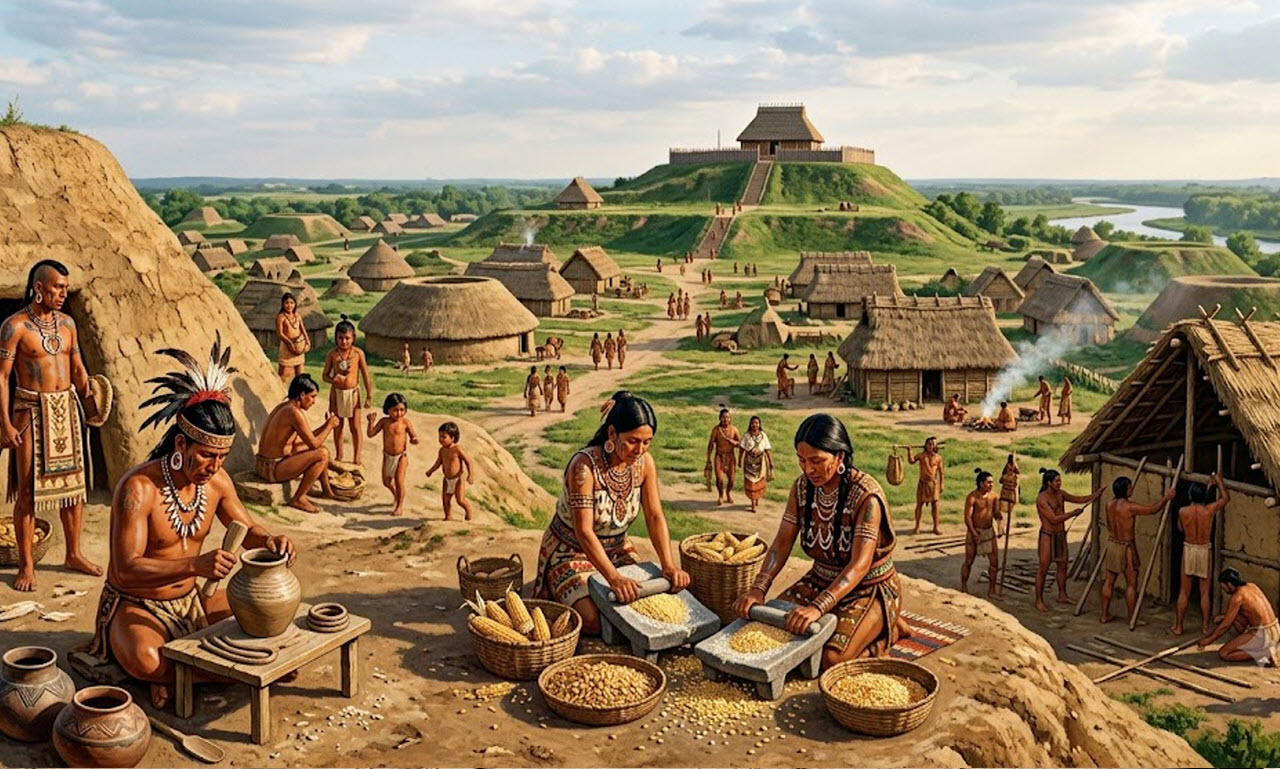
A second wave followed them between nineteen thousand and eleven thousand five hundred years ago when the massive glaciers finally began to melt.
The male ancestors left their own matching footprints behind.
The team checked Y-chromosome DNA and found the exact same timeline for the men living in northern China. But the stones held another clue.
Researchers started matching ancient Paleolithic tools, comparing old spear points and arrowheads found in China, Japan, and the Americas.
The beautiful, sharp-stemmed projectile points found in early American sites looked exactly like ancient tools from Japan.
For years, people wondered if Native Americans came directly from the ancient Jomon people of Japan. The DNA finally solved that puzzle.
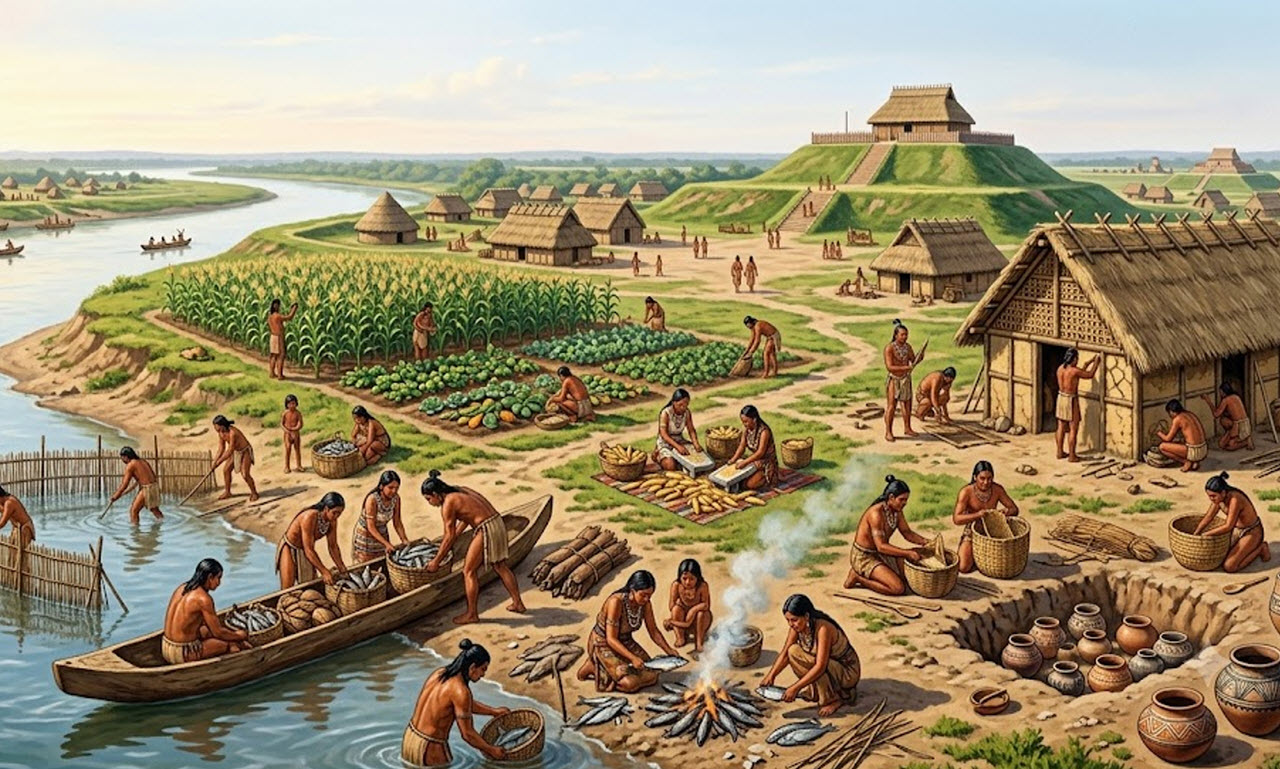
The matching stones did not mean one group became the other.
The authors explained that the similarities came from a shared ancestral lineage. The groups were cousins connected by a deep Pleistocene bond. They shared a common past before the waves moved out across the rim of the ocean.
Many massive questions still remain unanswered in the dirt. Scientists still do not know the exact spot where the first travelers packed their things.
But the living blood of thousands of descendants has proven that the road to America was carved by coastal waves.
