
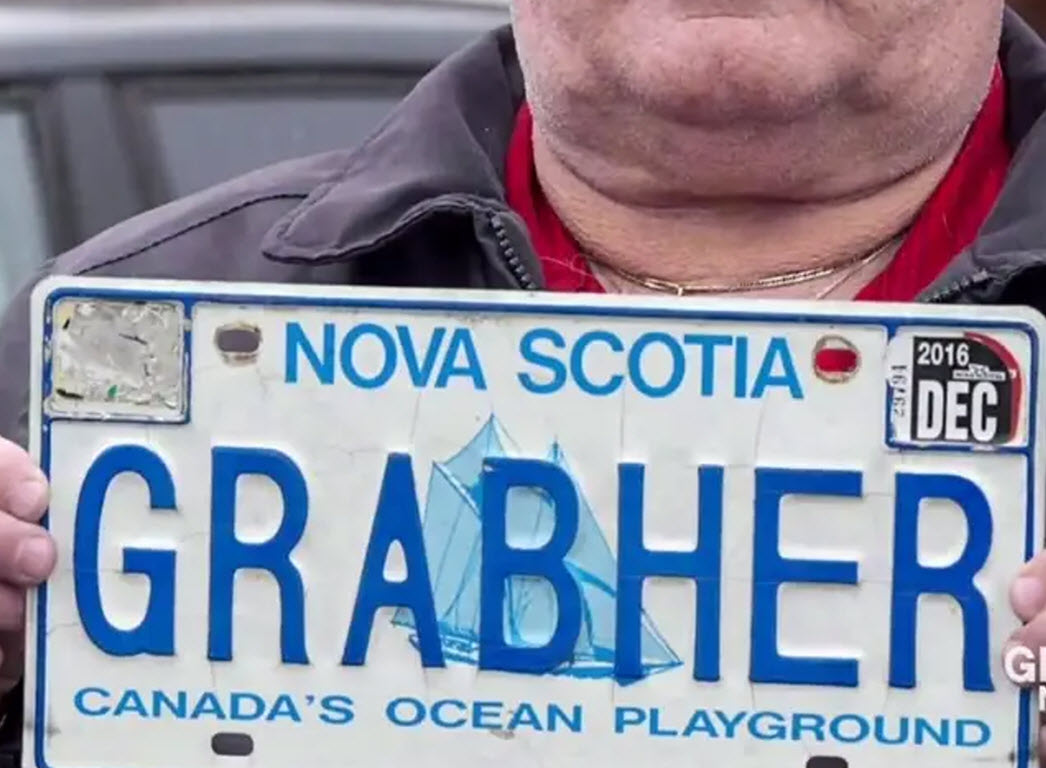
Lorne Grabher bought a personalized license plate back in 1990. It was a heartfelt gift for his late father. The plate simply displayed their Austrian-German family name.
And for nearly three decades, that plate sat proudly on the back of his vehicle. But everything changed in 2016 when officials suddenly stepped in.
The Registrar of Motor Vehicles officially revoked the plate without warning. A simple family crest on wheels was suddenly deemed unacceptable by the state.
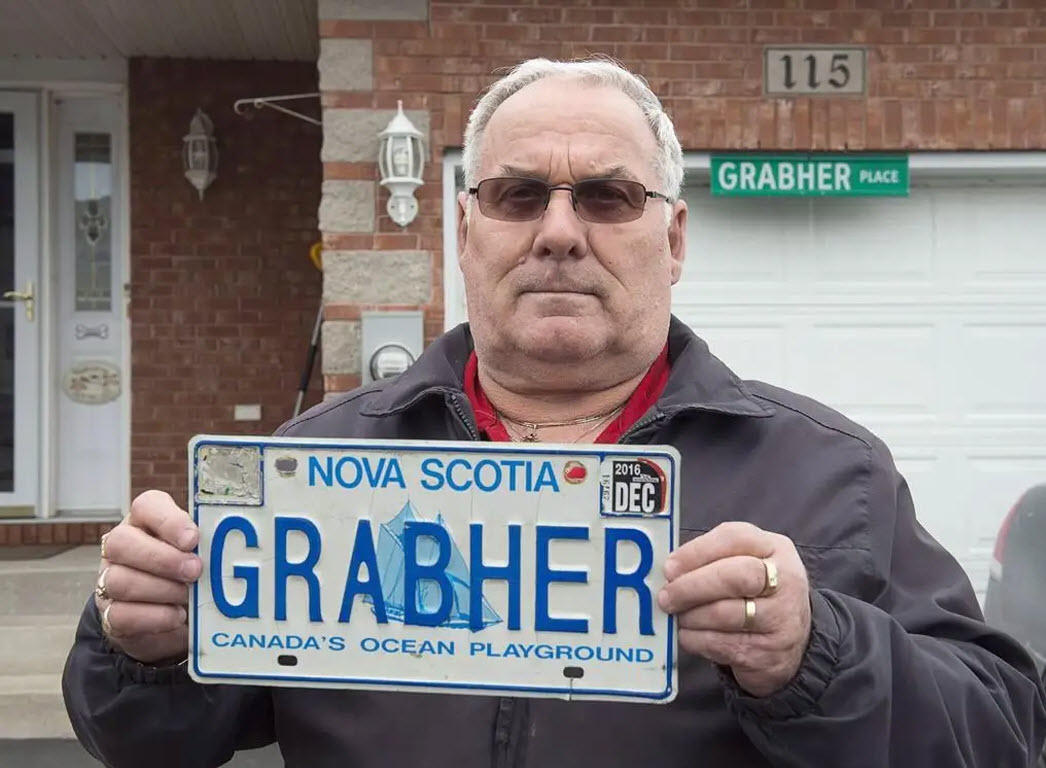
So Lorne Grabher refused to let his family name be dragged through the mud. He launched a legal crusade to win back what was rightfully his.
The whole mess began when a complaint landed on government desks. McGill University professor Carrie Rentschler filed a report about the plate.
She claimed the metal plate bearing the word GRABHER supported sexual violence against women. The connection seemed completely absurd to the family.
And the government relied heavily on academic literature to defend the ban. They tied the plate directly to controversial comments made by Donald Trump.
Specifically, the report referenced statements made by Trump during his 2005 presidential campaign. That comparison pushed the dispute straight into court.
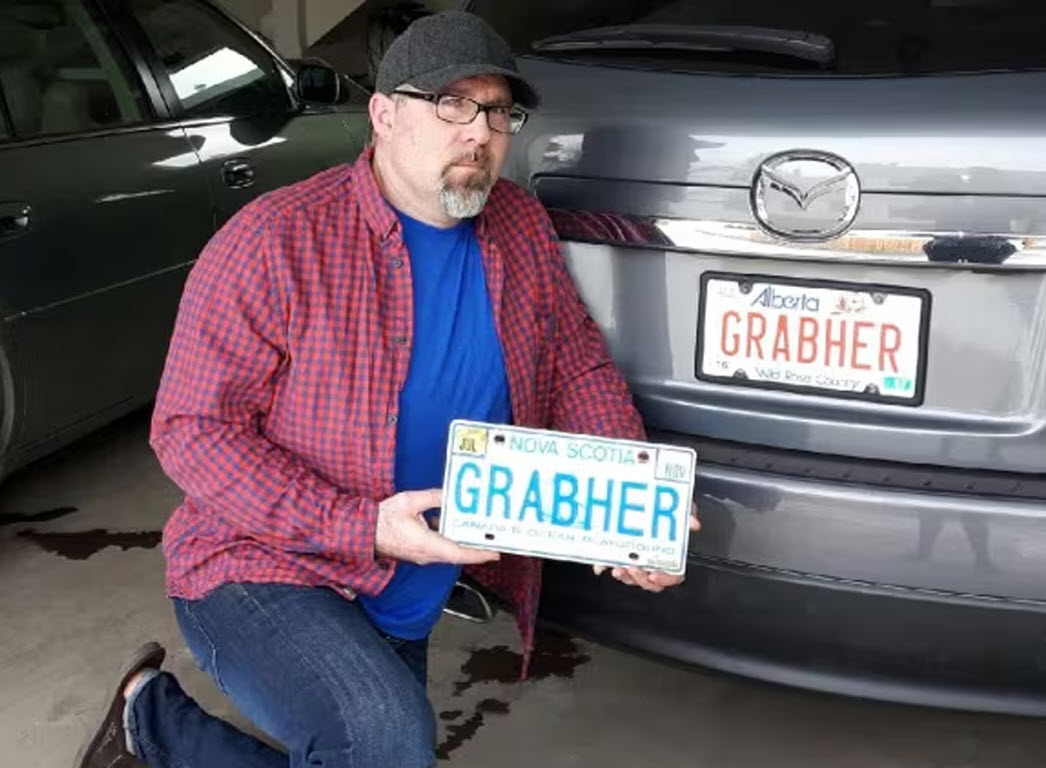
During that campaign, Donald Trump boasted that he could grab any woman he liked by her genitals. Officials used that statement to justify revoking the plate.
A foreign politician’s controversial words were suddenly tied to an innocent family name.
Lorne Grabher hired lawyer Jay Cameron to fight the government in court. Cameron argued that a foreign leader should not ruin a local family identity.
Cameron made the argument that the report did not state that GRABHER was a name. Instead, it claimed the plate was a reference to Donald Trump’s words.
Cameron told the court, “There is zero evidence in this case that refers to Donald Trump, with the exception of this report.”
The courtroom transformed a simple piece of metal into a high-stakes battleground for personal identity.
He pushed hard on that point during the legal proceedings in February. He wanted the judge to consider the bigger picture for everyday citizens.
Cameron said, “I think that the court should ask itself whether or not the freedom of expression of Canadians is influenced in any way by comments by a foreign dignitary.”
A simple registration tag became the center of an explosive constitutional debate.
But government lawyers refused to back down from their strict stance. Crown lawyer Alison Campbel defended the academic report vigorously.
Alison Campbel argued, “Dr. Rentschler’s report is not a salacious magazine. It is a review of academic literature on the ways in which gender violence is represented and reinforced in society.”
So both sides locked horns over what a basic plate really meant. To the government, it was offensive, but to Lorne Grabher, it was pure heritage.
Years of legal fees mounted while a family fought to protect their own name.
Recently, the Supreme Court of Nova Scotia handed down a preliminary decision. Justice Pierre Muise looked over the initial courtroom expenses.
The court awarded Lorne Grabher $750 for previous costs he had paid. That payment was equivalent to what he had paid to the Crown during an earlier battle over an affidavit.
Justice Pierre Muise written decision statement said that the same-costs award “will do justice between the parties.”
And for Lorne Grabher, the battle is far from over. He still wants his original custom plate back on his bumper where it belongs.
He remembers his late father every time he looks at the old plate. That piece of metal represents decades of hard work, love, and deep roots.
So the fight moves forward to the next legal chapter very soon. His case will continue in early September.
