
Social media lit up not long after Sean Penn picked up another Oscar, and a lot of the reaction was not about the performance at all. Some people immediately questioned whether he should even be allowed to keep the award given everything tied to his past.
The win marked his third Academy Award, putting him in a very small group of actors to reach that level, which should have been the headline. Instead, the conversation kept shifting, almost right away, from the achievement itself to everything surrounding him as a person.
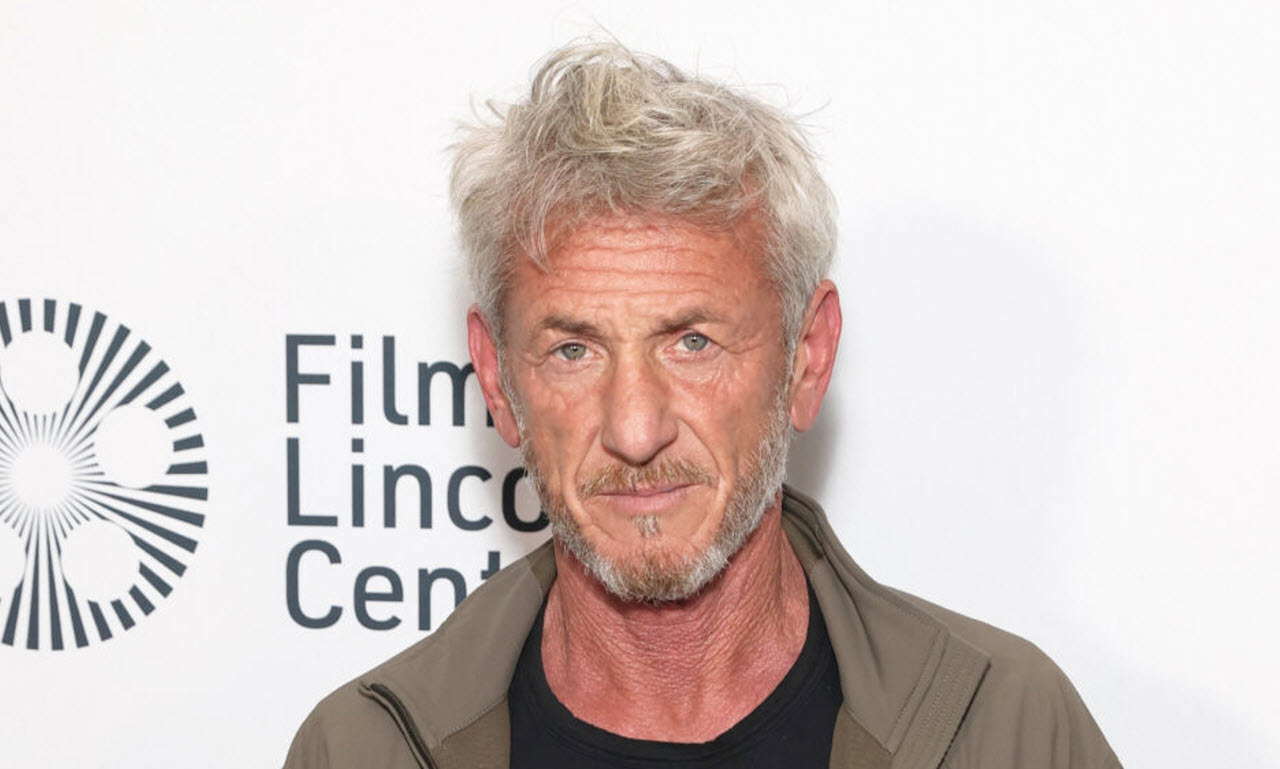
He won for playing Col. Steven J. Lockjaw in One Battle After Another, a role that had already been getting strong reviews before the ceremony. The performance was widely praised, and he also picked up other major awards for it, so the recognition itself was not surprising.
Still, he was not at the Dolby Theatre in Hollywood when his name was called, which stood out during the broadcast. Kieran Culkin accepted on his behalf and joked that the winner “couldn’t be here this evening, or didn’t want to,” which drew attention to the absence.
That absence kind of fits his history with the Academy, since he has criticized the organization more than once over the years. He has never really been quiet about it, especially when it comes to how they handle serious topics during the ceremony.
In 2023, he pushed back after not being allowed to speak about Russia’s invasion of Ukraine during the show. He said at the time, per GQ, “The Oscars producer thought, ‘Oh, he’s not light-hearted enough.’ Well, guess what you got instead? Will Smith!”
Then in 2024, he took things further, calling out what he described as “extraordinary cowardice when it comes to being part of the bigger world of expression, and in fact, have largely been part of limiting the imagination and very limiting different cultural expressions.”
Away from awards, Penn has built a reputation as someone who draws controversy, whether it is political or personal. He has clashed with the media, spoken out strongly on political issues, and taken part in moments that kept him in the headlines over the years.
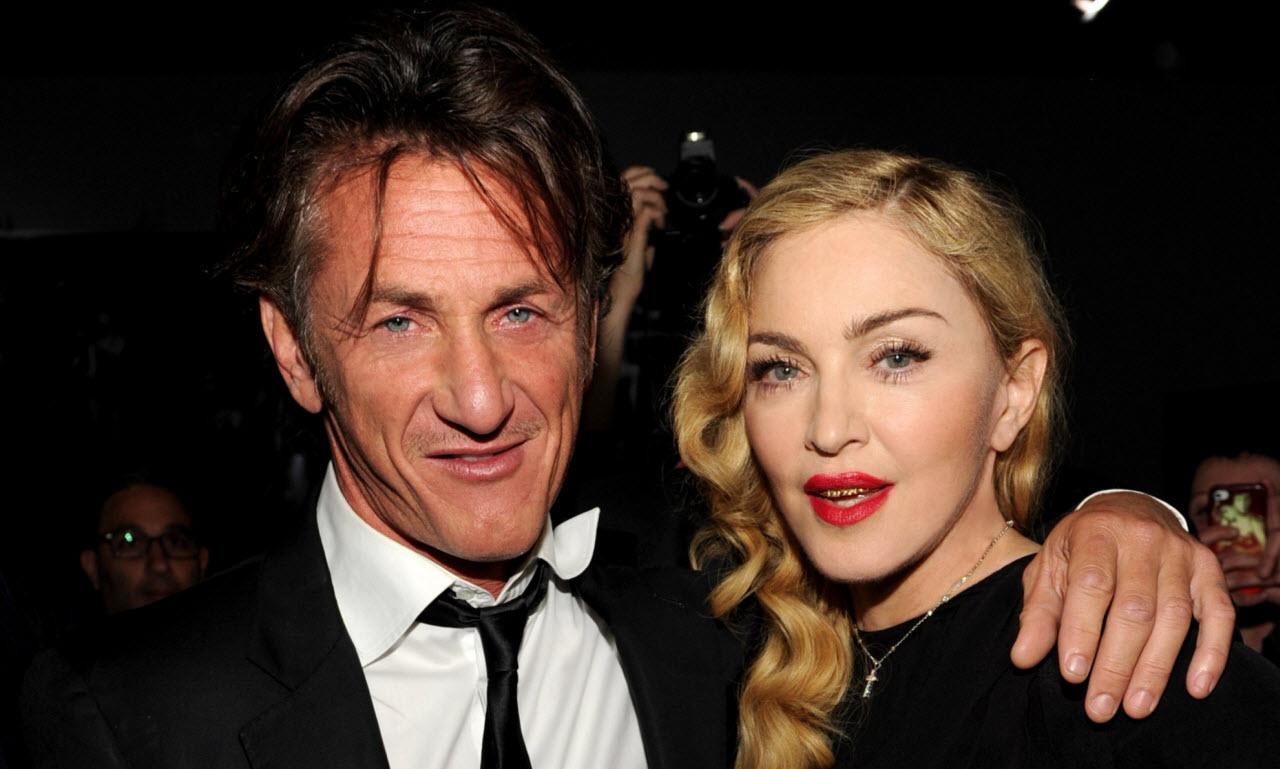
His current relationship with Valeria Nicov has also been pulled into the discussion, mainly because of the age gap between them. They have appeared together publicly several times, including film festivals, and were recently seen out walking together in Los Angeles.
But most of the pushback now connects to older allegations tied to his marriage to Madonna, even though she later pushed back on those claims. She said, “I am aware of the allegations that have surfaced over the years accusing Sean of incidents of physical assault and abuse against me.”
She went on to address a specific report, saying, “Specifically, I am aware of the allegations concerning an alleged incident that occurred in June, 1987, whereby (according to tabloid reports), Sean allegedly struck me with a ‘a baseball bat.’ I know the allegations in those and other reports to be completely outrageous, malicious, reckless, and false.” That statement has been repeatedly cited when the topic comes up again, even as criticism continues to surface online.
Even with that denial, some critics argue that the existence of past allegations alone should matter when it comes to awards like this. Others pushed back on that idea, but the debate itself kept spreading, with comments ranging from frustration to outright dismissal of the win.
Some people said the industry still struggles with accountability, suggesting talent often outweighs controversy when decisions are made. Others were more blunt, calling it one of the least deserving wins of the night, while a few pointed out that allegations alone should not erase someone’s career.
There is also some history behind how situations like this are handled, though the details vary. The Academy has removed members before, most notably during the 2017 fallout tied to the #MeToo movement and the case involving Harvey Weinstein.
At that time, new conduct standards were introduced, outlining expectations for behavior among members and emphasizing respect and accountability. Those rules allow for suspension or removal if actions are seen as violating the organization’s values or damaging its overall integrity.
