
Dinner began peacefully on a crowded Manhattan block. Customers chatted over fresh sashimi while kitchen staff prepared plates behind the counter.
Nobody at Nobi Sushi expected an ordinary order to trigger a fierce national dispute that would polarize millions of viewers online.
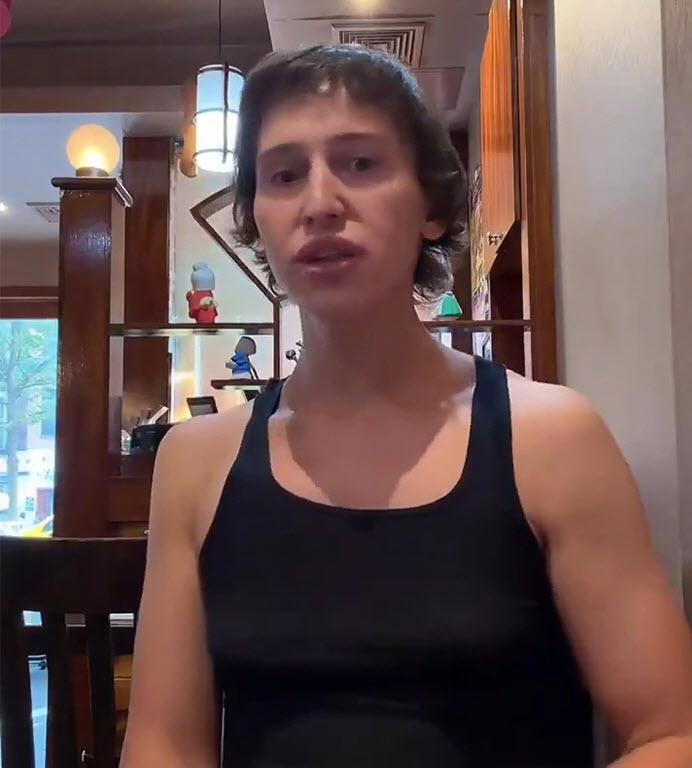
The wooden counter quickly turned into a sharp battleground where personal dignity collided with the cost of an unpaid meal.
A transgender diner sat down expecting a quiet dinner, ready to spend thirty dollars on a specialty plate. But the atmosphere inside the small New York restaurant rapidly grew cold.
Trouble started when the customer noticed repeated glances coming from the food prep line. Workers began smirking and whispering among themselves.
She felt targeted by the kitchen employees, who seemed to stare and laugh openly while she waited. The perceived mockery turned an ordinary dining experience into an unbearable public humiliation.
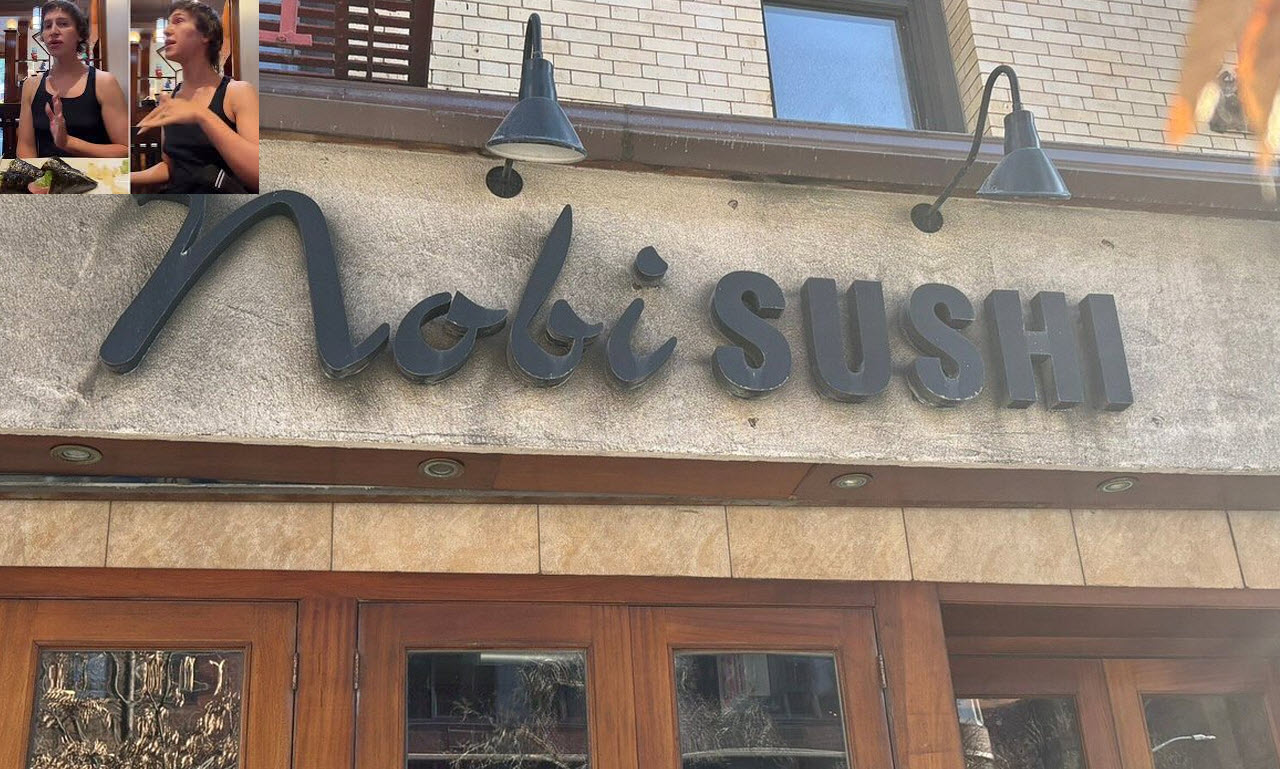
Unchecked stares from the sushi bar turned quiet discomfort into an active confrontation that demanded an immediate answer.
Instead of walking away quietly, she pulled out her phone to document the interaction. The camera started rolling right in the middle of a tense dispute.
A female staff member stepped forward to address the patron. The worker seemed genuinely apologetic and tried to calm the distraught diner.
“I feel really uncomfortable, I’ve never done this in my life. I feel very uncomfortable,” the customer was heard telling the female staff member.
Polite apologies from the front floor worker could not undo the sharp sting of ridicule originating behind the kitchen counter.
“Do you want to call the police or no? Cuz I’m not paying for food,” the diner said, standing up from the table and preparing to walk out.
The calm employee stated that they were not going to involve the police. Rather than forcing a confrontation, the restaurant let her leave.
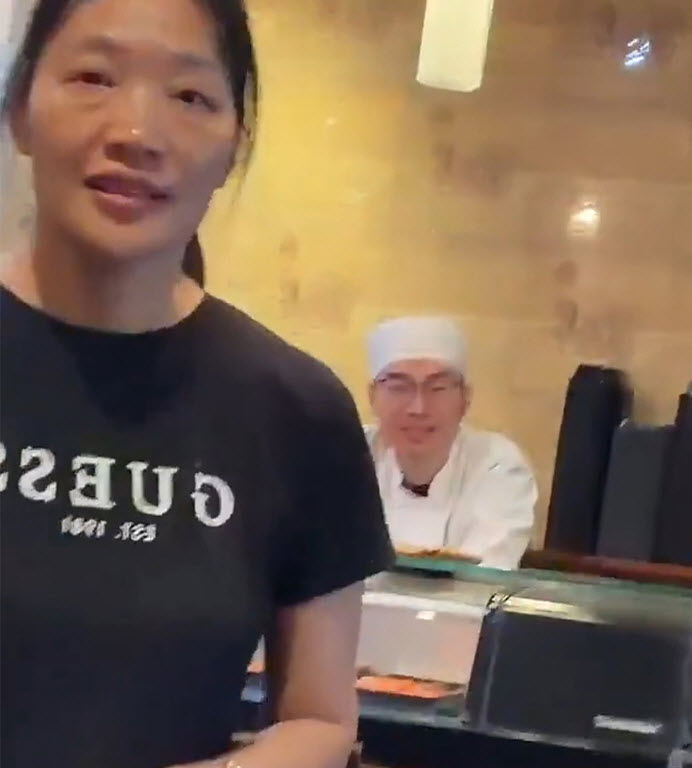
“I feel very uncomfortable, not by you, you did nothing, you’re great,” the customer said, pointing her fingers directly at the chefs.
Walking away from the table without paying closed the dining check, but it opened a massive conflict across social media.
“The people behind the counter are very rude. I feel so uncomfortable. You should teach your staff not to laugh at people and stare at them while they are sitting at a table,” the diner stated.
As she stepped outside, the diner panned her lens across the entrance, revealing the name of the Manhattan restaurant, Nobi Sushi.
The recorded footage soon found its way online, triggering an explosive wave of strong reactions from people all over the world.
Transgender man tells Japanese restaurant he doesn’t “want to pay” the bill because he feels “uncomfortable.”
“I actually don’t want to pay. I feel really uncomfortable…I feel like I’m being laughed at. I’m being stared at behind the f***king counter.” pic.twitter.com/K6lRNaDoc2
— Oli London (@OliLondonTV) August 31, 2026
A simple phone recording transformed a dining dispute into an uncontrollable debate over entitlement, prejudice, and modern law.
Many online viewers accused the diner of staging a scene to dodge the check. “Why is this thief getting away from the scene of the crime?” one asked, while another labeled it clear evidence of theft.
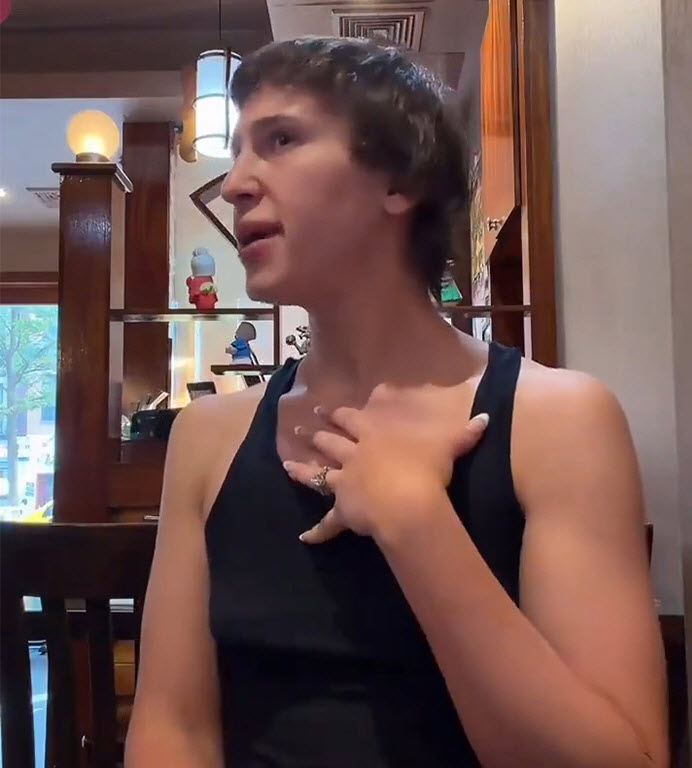
“I, too, will feel uncomfortable if I decide to steal a meal from a restaurant,” one sarcastically said, arguing that feeling uncomfortable is no justification for leaving without paying for food.
“Quit whining and filming and calling more attention to your stupid self if you’re uncomfortable! You’re just getting out of paying for your food all the while filming!” another commentator said.
While critics shouted theft, others viewed the restaurant walkout as a necessary stand against public disrespect and mockery.
Supporters insisted that the customer was not attempting to dine and dash. One commenter wrote that she refused payment because the staff members were openly mocking a paying guest at the counter.
Disrespectful treatment toward customers creates a permanent financial loss that easily exceeds thirty dollars in food costs.
The bitter dispute concluded without consensus, leaving the public divided over dignity versus traditional restaurant responsibilities.
