
The afternoon started like any normal day in Kent. Nicky Lowther was just thirteen years old. He was a funny kid with a sharp, dark sense of humor.
But his mother walked into his bedroom and found him completely unresponsive. The quiet home in Canterbury instantly turned into a chaotic emergency scene.

Paramedics rushed to the house in Kent. They tried everything to bring the young teenager back from the brink.
The social media videos promised a quick high.
The family sprinted to the hospital doors in absolute panic. They expected answers or a tiny sign of hope. Instead, they walked right into total devastation.
By the time they arrived, Nicky was already gone. The doctors could not reverse the damage done by household chemicals.
His aunt, Toni Lowther, stood in the hospital corridor trying to process the nightmare. The family had no idea this behavior was even happening.
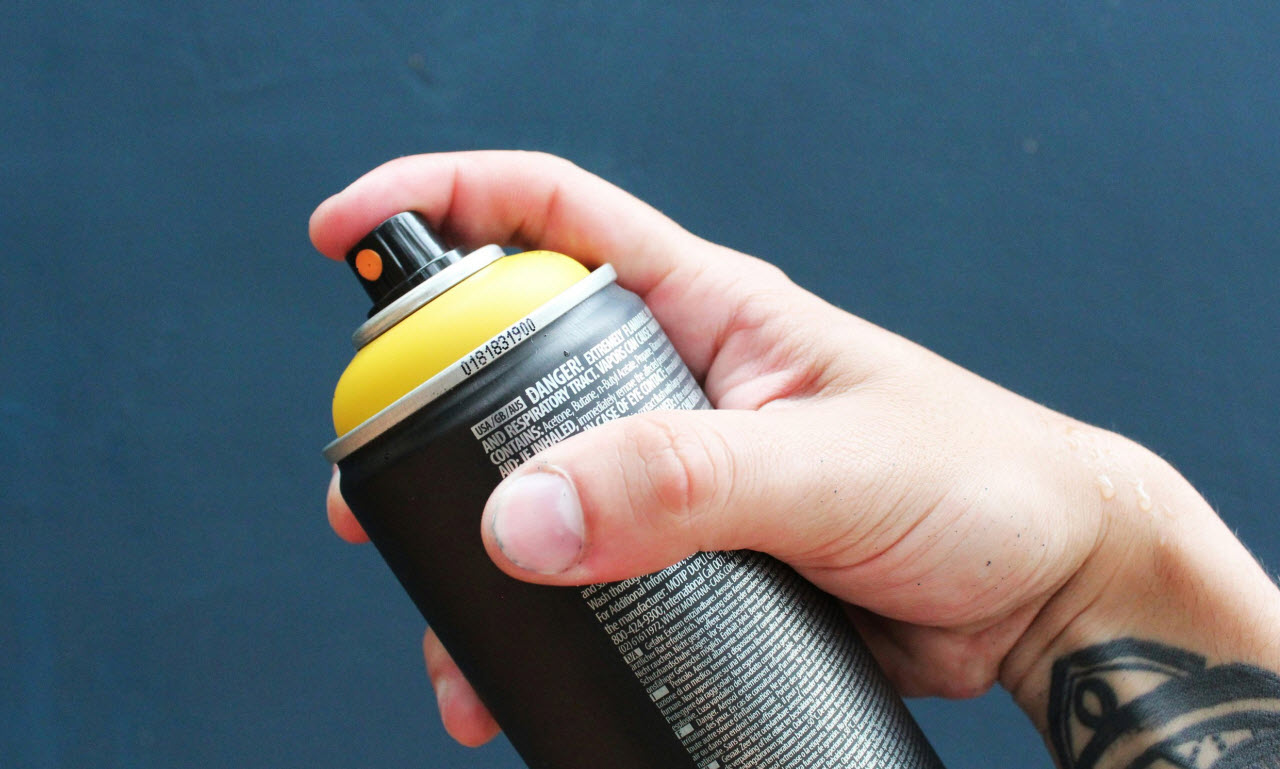
Twelve cans of aerosol were later found hidden inside his bedroom.
Nobody knows exactly how many canisters the boy used on that final day. The sheer availability of these everyday products shocked the grieving relatives.
Toni realized anyone could buy these items at a local shop. She felt a burning need to change the current retail laws immediately.
The community wept for the boy who always protected others at school. Classmates remembered how he stood up to bullies for them.
The hidden danger was sitting right on the store shelves.
Nicky will never experience his high school prom or pass a driving test. He will never get married or raise a family of his own.
The grief remains entirely raw for everyone who loved the cheeky teenager. His aunt launched an online petition to stop sales to minors.

Thousands of people have already signed the document demanding tight restrictions. The campaign targets the dark underbelly of online challenge culture.
The metallic taste gives the lethal trend its modern name.
Platforms like TikTok claim they actively remove videos promoting this toxic inhalation. Yet the challenge keeps finding its way to vulnerable children.
Experts warn that inhaling deodorant or paint thinner can stop a heart instantly. Brain damage and sudden cardiac arrest happen on the first try.
Dr. Anthony Pizon warned that household items are easily turned into weapons. Deodorants, gasoline, and hairsprays are legal, cheap, and present in every home.
Volatile hydrocarbons like toluene and butane enter the lungs directly.
The chemicals cut off oxygen delivery to the brain within seconds. This rapid displacement causes immediate dizziness and a brief, distorted sense of euphoria.
The high lasts for less than six hours in most cases. But the physical destruction inside the teenage body can become permanent instantly.
Repeated exposure damages the protective myelin sheath surrounding human nerves. This causes severe cognitive decline and uncontrollable muscle tremors over time.

Parents are urged to watch for specific physical warning signs.
Frequent nosebleeds and chemical sores around the mouth indicate active solvent abuse. Sudden slurred speech and severe electrolyte disturbances are also major red flags.
Many teenagers turn to these toxic fumes to self-medicate for hidden anxiety. The peer pressure of online challenge culture forces them to conform.
The family continues to speak out through their immense heartbreak. They hope his story stops another child from making the same mistake.
Nicky could not be saved by the medical staff that day. But his final legacy might keep another bedroom from falling completely silent.
