
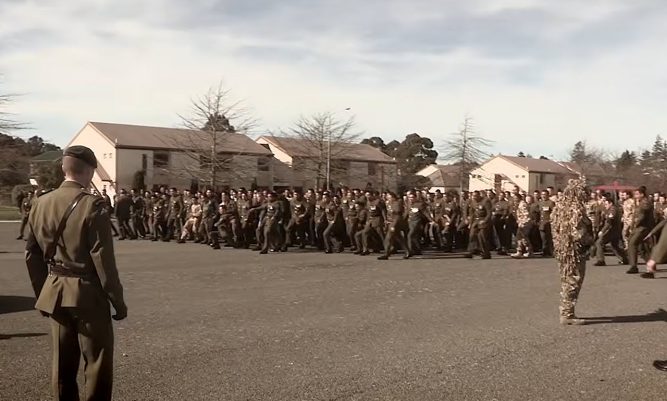
Most people around the world think they know what a haka looks like. They picture rugby players staring down an opponent before kickoff.
And for a long time, that was the only version international audiences ever saw. Loud, fierce, built for sport and intimidation.
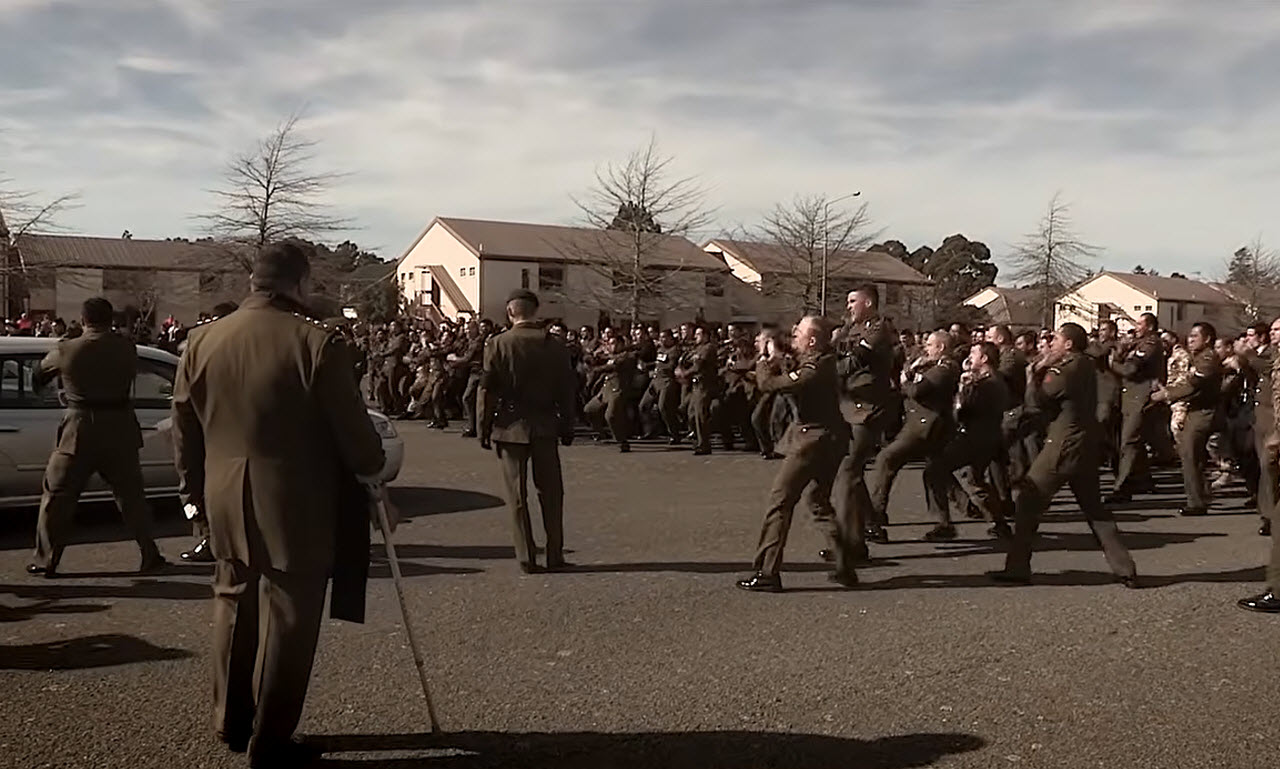
But on a cold August day in 2012, a military base near Christchurch showed the rest of the world a completely different side of it.
Three New Zealand soldiers were coming home in coffins.
Six days earlier, an explosive device in Afghanistan had killed Corporal Luke Tamatea, Lance Corporal Jacinda Baker, and Private Richard Harris.
They were not just names on a military report. Tamatea had deployed on multiple overseas missions. Baker was an award-winning Army medic. Harris had served in Timor-Leste early on.
So on 25 August 2012, the 2nd/1st Battalion of the Royal New Zealand Infantry Regiment gathered at Burnham Military Camp. Their families would hold private funerals later. First, the unit needed to say goodbye together.
The hearses began moving toward the carved wooden gateway known as the waharoa.
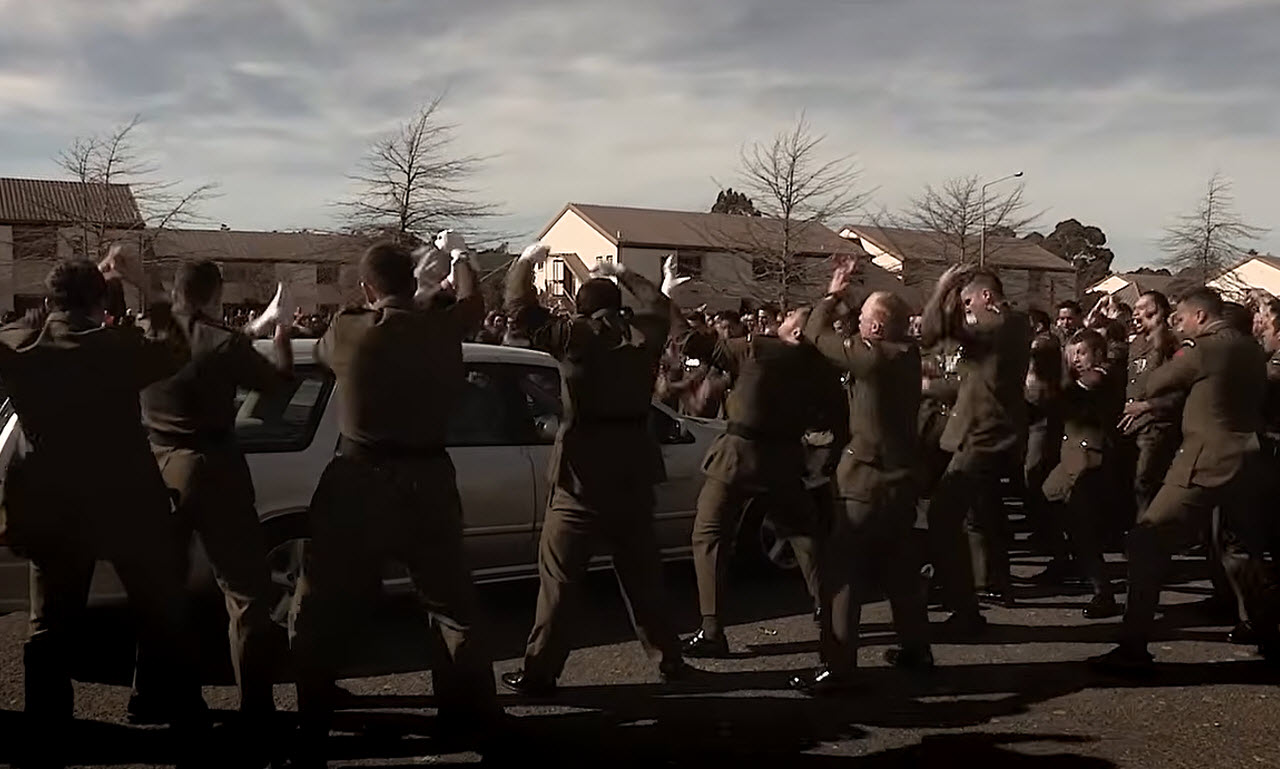
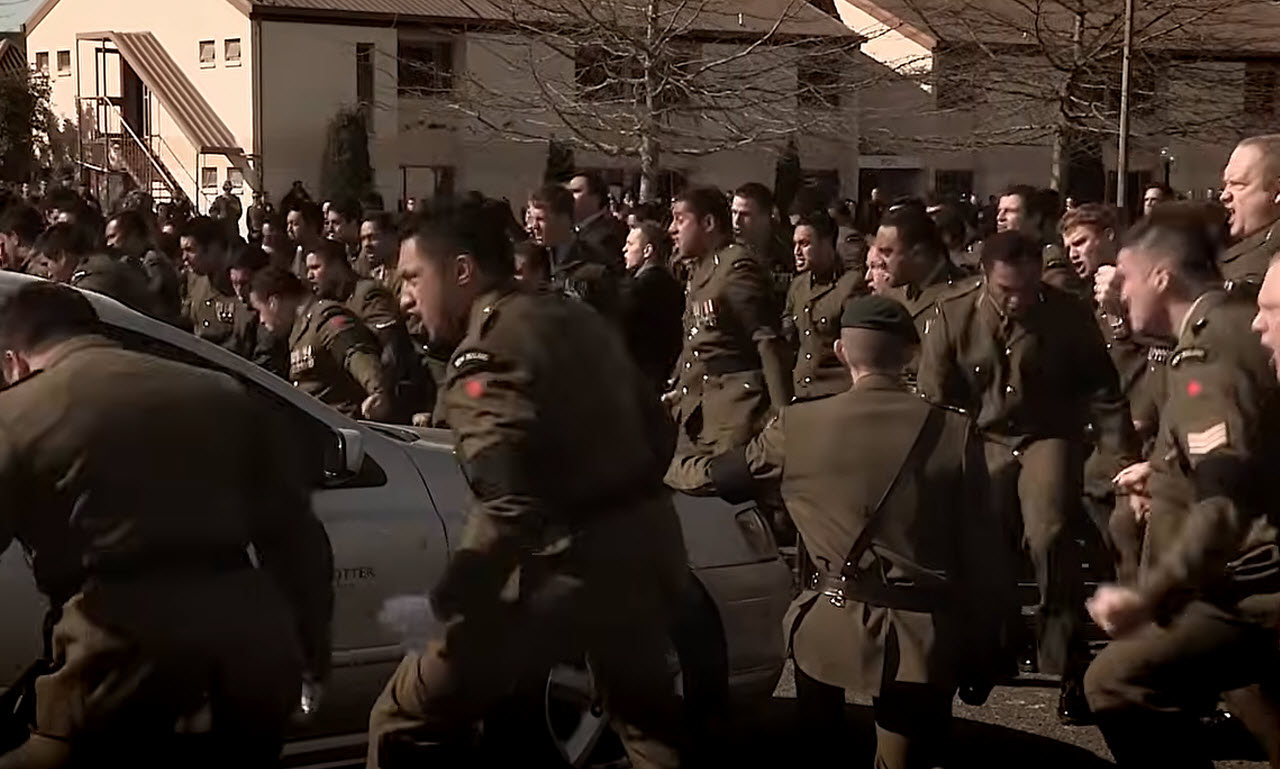
That is when the battalion stepped forward. Rows of uniformed soldiers dropped into a stance and began their unit haka in unison.
Voices echoed off the buildings across the parade ground. Boots slammed into the pavement in a single, heavy rhythm.
Army spokesman Major John Gordon later described the moment as an outpouring of emotion. Standard military drills are stiff and quiet. This was raw grief pushed out through every muscle and vocal cord.
And it was not the first time this battalion had mourned that way.
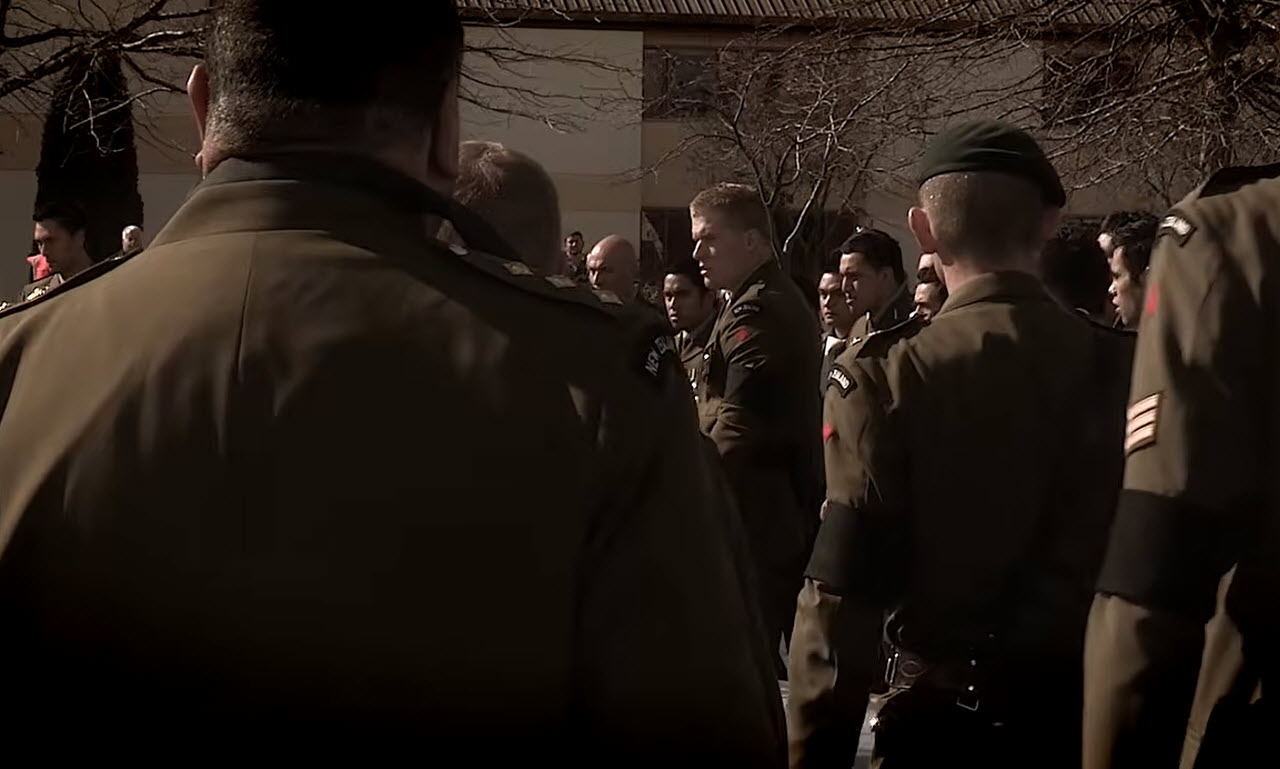
Members of the same unit had performed a similar memorial haka at Burnham back in 2001. In Māori tradition, haka is far more than a war challenge. It is used for welcome, for praise, and for deep sorrow.
You see that same tradition across New Zealand communities, too. At Palmerston North Boys’ High School, students once gathered en masse to perform their school haka at a teacher’s funeral.
The New Zealand Defence Force shared footage of the Burnham farewell online.
People everywhere stopped scrolling when they heard those voices.
Western funerals are usually hushed, full of whispers and bowed heads. Watching hundreds of soldiers channel their pain into a thunderous chant hit viewers hard.
News outlets around the globe picked up the clip. By 11 November 2026, the recording had passed nine million views.
The video became a permanent marker of how that unit loved its own.
But the tributes did not stay trapped on a screen. In 2015, a medical ward in Iraq was named after Lance Corporal Baker to honour her service.
More than a decade after that morning in Christchurch, people still come back to watch the battalion line up before the waharoa.
Because sometimes grief is too heavy for silence, and the only way to carry it is together.
