
A tech launch in Silicon Valley seemed like the ultimate triumph for young founders chasing digital glory. Thousands of online shoppers downloaded the browser tool without suspecting a thing.
The software promised effortless discounts across major websites. Phoebe Gates and her Stanford roommate Sophia Kianni built Phia to help consumers find the best deals on clothing and shoes.
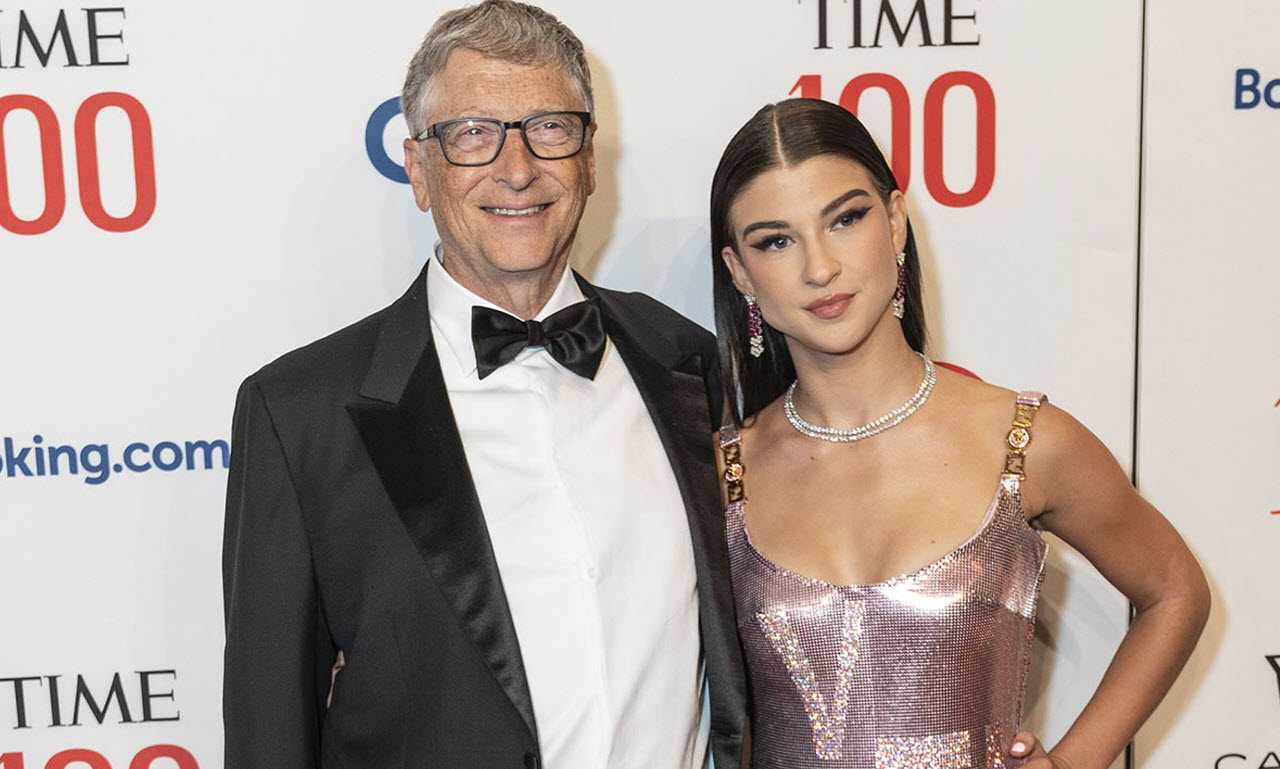
That promise of effortless shopping savings masked a calculated digital maneuver that worked completely behind the scenes without user consent.
Behind the clean interface, a different mechanism was running. The browser extension monitored activity across thousands of stores and prepared to strike at the final checkout cart.
Independent researchers and retail networks noticed odd patterns during standard checkouts. Commission dollars meant for genuine creators were quietly vanishing into thin air.
A single line of hidden code quietly redirected major retail commissions before authentic web publishers ever realized what happened to their paychecks.
Technical audits uncovered that the browser extension loaded secret background tabs to insert tracking cookies. The tool took full financial credit for retail sales it never actually drove to checkout.

Legitimate publishers like Wirecutter watched their rightfully earned referral revenues get siphoned away in seconds. The silent script overwrote existing affiliate codes right at the moment of payment.
The practice known as cookie stuffing sparked instant industry outrage. Phoebe Gates faced intense scrutiny after internal records showed the startup captured payouts from brands like Nike and Nordstrom.
The sudden surge in startup revenue was built upon an aggressive software exploit that broke standard partner agreements across the entire web.
Phia leadership tried to contain the public fallout. A spokesperson stated, ‘As soon as we were notified, our team worked overnight to identify, mitigate, and has since resolved the matter.’

That simple explanation collapsed when leaked chat logs surfaced from seven months prior. Private Slack records showed founders actively tracking the automatic cookie drops as early as December.
Internal messages revealed that Phoebe Gates questioned engineers about keeping the automatic feature live on coupon pages. She described the tool as essential for monetizing platform traffic.
Private developer chats quickly proved that top company leadership knew about the controversial tool months before telling the public it was an accident.
The script drove over half the merchandise value claimed in June. Once engineers removed the code in July, daily revenues plunged from eighty thousand dollars down to ten thousand.

Affiliate giant Impact banned the platform from its network. Other retail partners launched thorough reviews into lost commissions and requested immediate financial reversals.
The federal government treats deceptive affiliate diversion with extreme seriousness under wire fraud laws. Unauthorized digital manipulation carries maximum penalties reaching up to twenty years in prison.
Billionaire backing and elite connections could not stop major corporate partners from cutting ties when the internal chat data surfaced.
The company has started issuing transaction reversals to affected brand partners and began hiring compliance staff. But questions about accountability and early leadership decisions continue to grow.
Early investors who poured millions into the venture now watch the startup fight for survival. The shiny veneer of a Silicon Valley darling has been replaced by urgent legal defense.
A brilliant concept supposed to revolutionize online shopping stands as a cautionary tale. Trust is the hardest currency to earn online, and the easiest one to lose in seconds.
