
A child was thrust onto the world stage before he could understand the cost of fame. The spotlight turned every mistake into international news, turning a young boy into a target for public ridicule.
The machine demanded perfection while spectators treated his private collapse as sport. Years passed, but the harsh judgments remained deeply etched into his identity and public reputation.
The applause was deafening, but behind closed doors, no one was truly listening.
He survived the relentless celebrity meat grinder by keeping his pain private. The broader culture had moved on, yet the unresolved emotional scars continued to linger beneath his musical career.
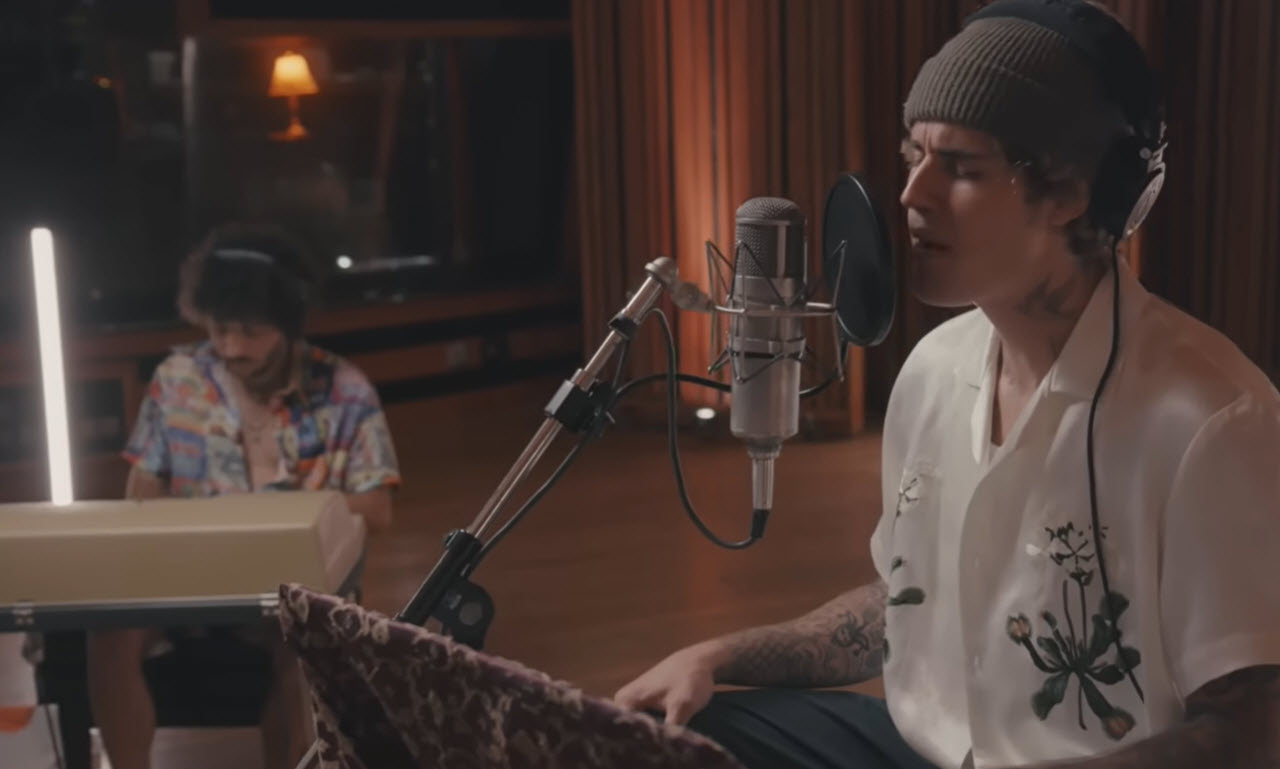
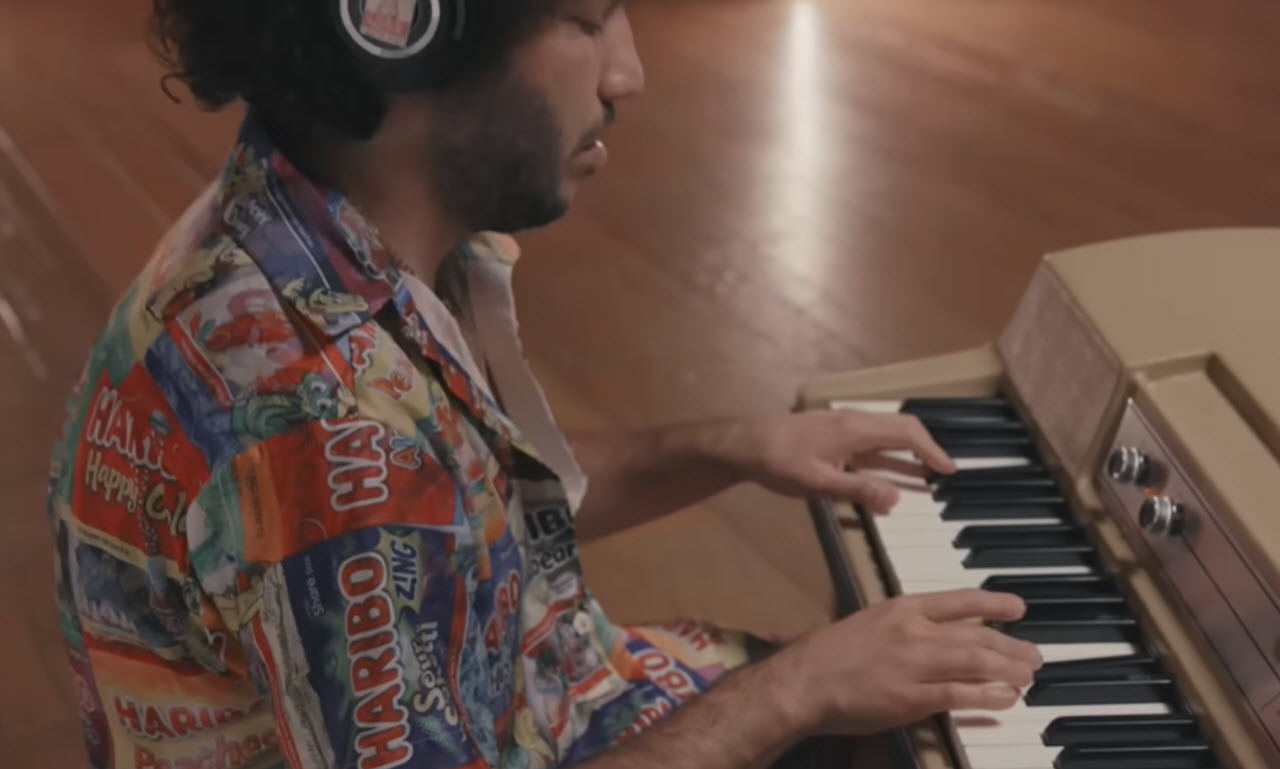
Eleven days after posting the official music video for a new single, Justin Bieber and producer Benny Blanco decided to share something unvarnished. They uploaded an unexpected live session to YouTube.
Two collaborators stepped into an empty space with nothing left to hide.
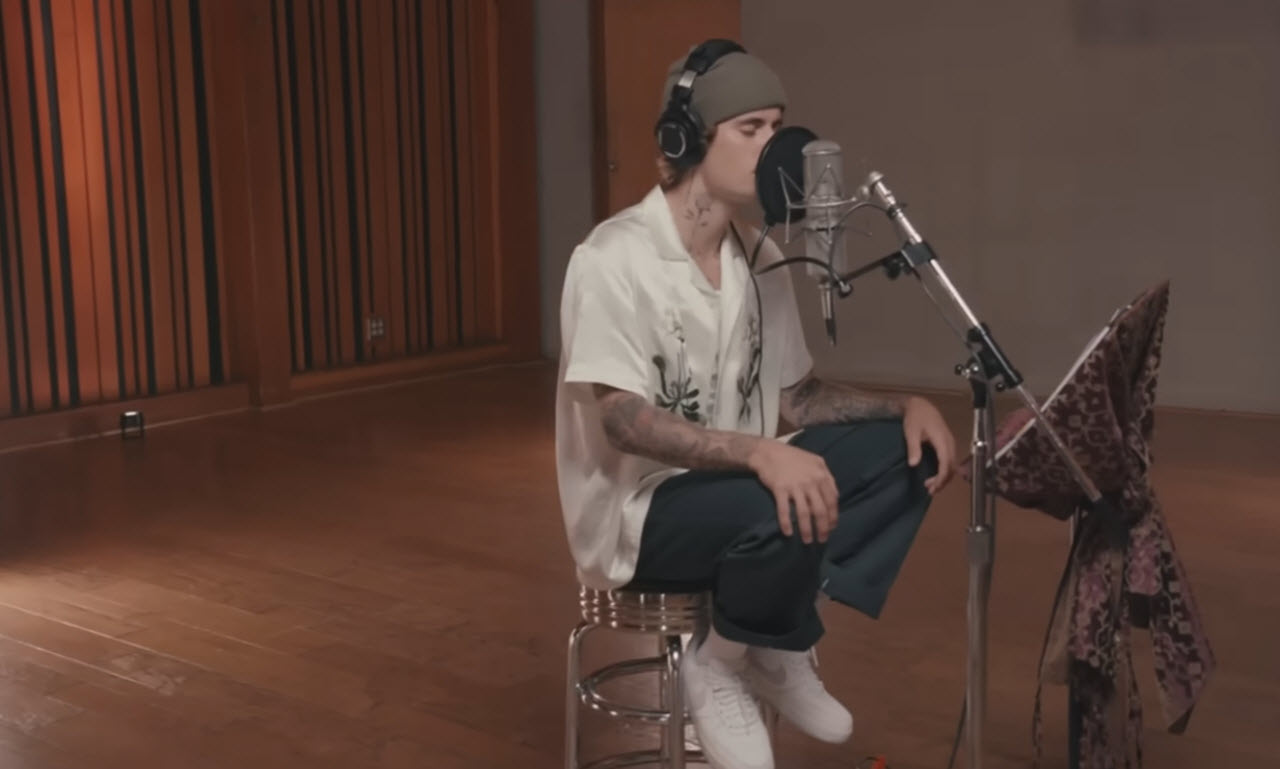
The original version of Lonely arrived in 2020 before securing a permanent spot on the album Justice in 2021. That studio track was already a bare electric piano ballad devoid of standard percussion.
It relied strictly on delicate vocal reverbs to build an atmosphere of pure isolation. Listeners recognized the sadness, but the production still carried the subtle polish of modern pop music.
This live acoustic version stripped away every remaining electronic element. It reduced the entire composition to raw instrumentation, focusing all attention directly on the truth behind the lyrics.
The production vanished, leaving only a haunting confession in its place.
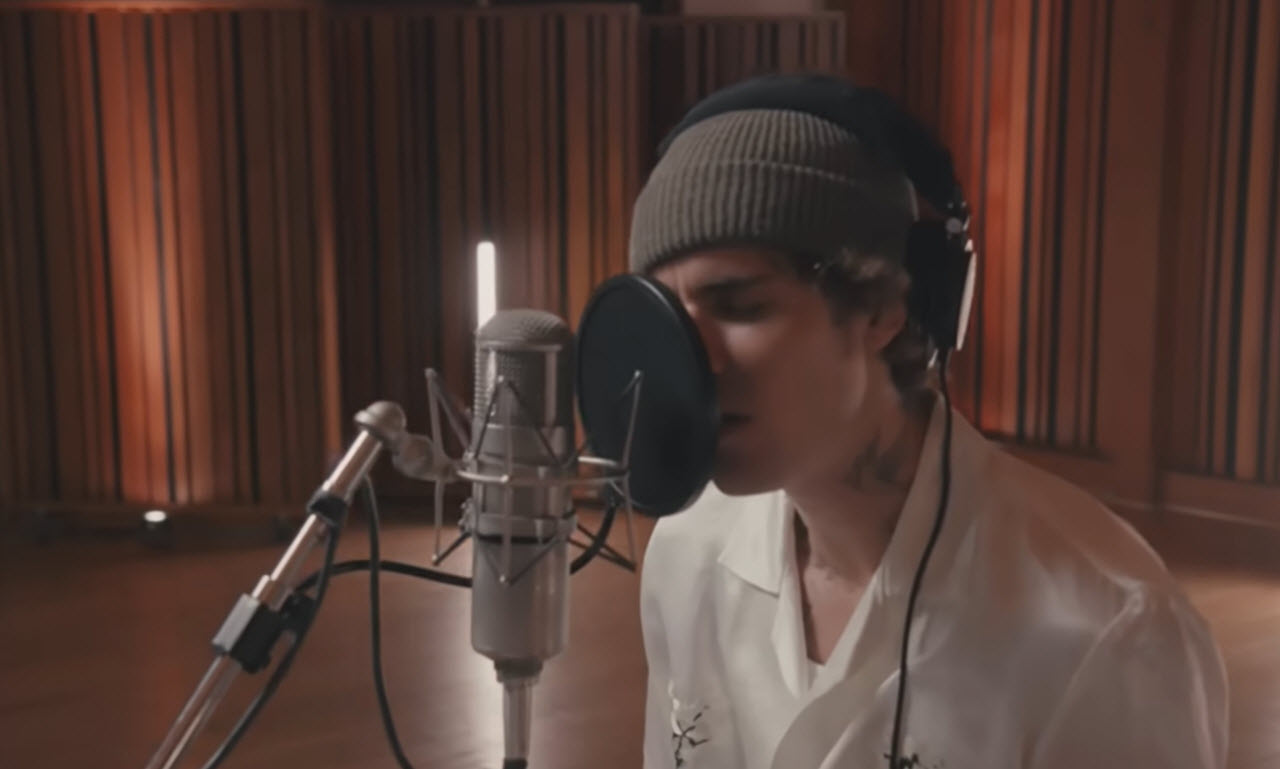
Justin delivered some of the softest vocals ever recorded in his career, floating into dreamy falsettos. The intimate atmosphere felt less like a concert and more like an open meditation session.
He used the piano arrangement to unpack his past in real time. The performance became a public reckoning as he sang, “What if you had it all. But nobody to call?. Maybe then you’d know me.”
The diary entry lyrics pulled no punches about his teenage years. Society had begun to reconsider how child stars were exploited, forcing longtime critics to reexamine their own past cruelty.
The anger turned inward as old enemies realized what they had done.
He confronted his childhood without making excuses, singing, “And everybody saw me sick. And it felt like no one gave a s***. They criticised the things I did. As an idiot kid”
The raw delivery forced millions of former critics to confront their actions. People who once celebrated his downfalls now watched the screen with an overwhelming sense of shame, disgust, and regret.
The internet was built to mock him, but this time, the comments told a different story.
The live performance surpassed fifty nine million views online. Nearly forty thousand viewers gathered in the comments section, acknowledging his transformation from a teen pop idol to a true artist.
One listener wrote, “I used to not listen to this man. I couldn’t take the bubblegum pop stage. But now he’s a completely different animal. The pure, raw emotion that I feel and hear in this song is beyond words. Simply incredible.”
Another commenter captured the central tragedy of the song, writing, “Fame is just stupid. Destroys people. We shouldn’t hate anyone. I feel for him.”
Even the producer behind the song could not stay silent after watching the reaction unfold.
Benny Blanco himself returned to the viral clip to leave a simple message for fans. He posted, “It’s ok to not be ok.” That single comment quickly collected more than sixty one thousand likes.
The stripped-back acoustic version of Lonely continues to resonate across the globe. It stands as an enduring testament to emotional vulnerability, exposing the heavy price paid by child stars.
