
Before audiences knew his name, they noticed the hair. It was thick, feathered, and impossibly cool. It became one of the defining looks of the 1980s.
But behind that polished appearance was an actor who never quite fit the traditional Hollywood mold. After all, he was shoveling horse manure in Manhattan long before he became one of television’s most celebrated stars.

The future Emmy winner looked every bit the teen idol. Yet he desperately wanted to play complicated outsiders and villains instead.
He grew up in an academic household, surrounded by prestigious prep schools favored by Boston’s upper crust. His parents were both teachers. He lived in faculty housing and attended Phillips Academy in Andover, where school soon became less important than acting.
At just 17 years old, he dropped out during eleventh grade. He moved to New York City to chase his dream. That leap of faith did not lead to instant success, forcing him into a string of unusual jobs.
The actor in question is, of course, James Spader.
He bused tables and shoveled manure at Claremont Stables. He even taught yoga classes despite sleeping through them himself. The lights were turned down, the heat was turned up, Spader later joked.
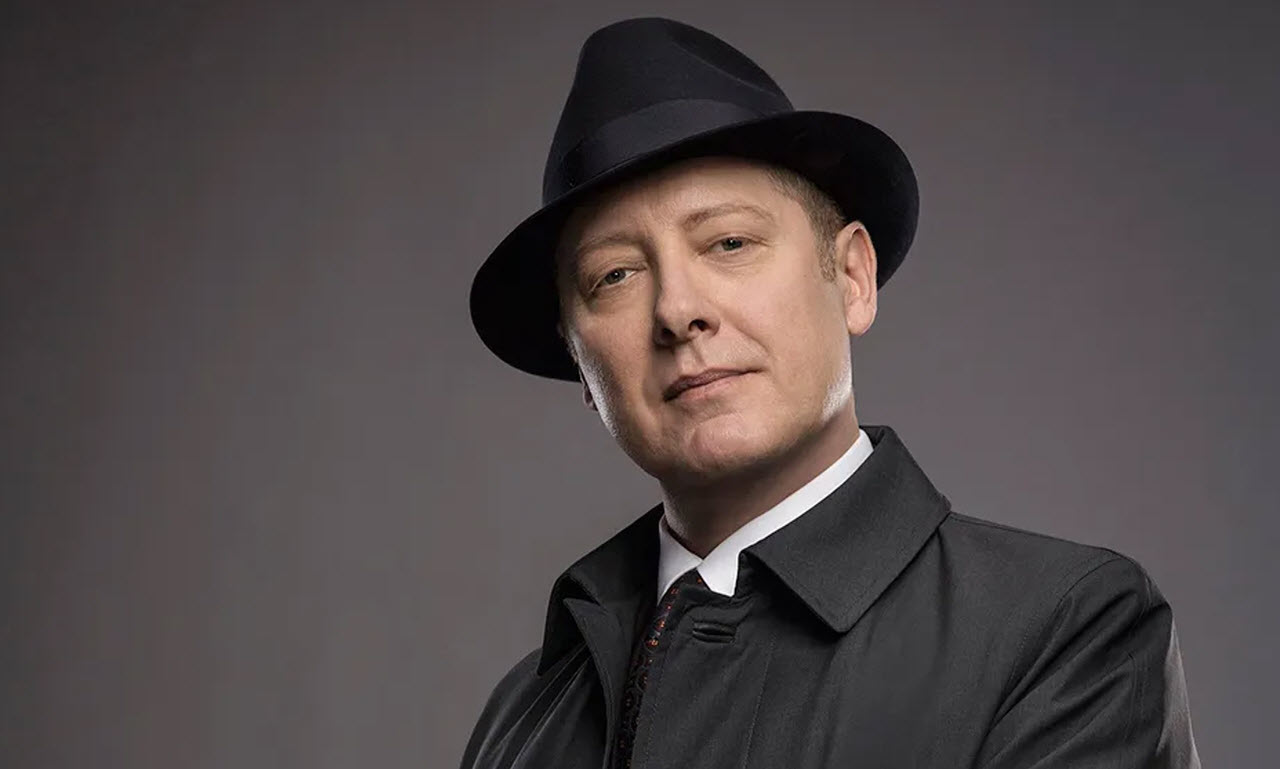
Although Spader was undeniably handsome, he never saw himself as a conventional leading man. He loved character actor roles but did not look the part. If you wanted to play bad guys without looking like one, you had to lean into the arrogance.
Hollywood quickly realized Spader had a gift for playing unsettling, slimy characters. One of his earliest film appearances came in Endless Love. From there, he became a familiar face, portraying wealthy troublemakers and morally questionable figures.
His performance as Rip, the cocaine dealer in Less Than Zero, cemented his reputation. Then came Pretty in Pink. His role as Steff, the sneering rich kid with designer suits and a dangling cigarette, became iconic.
His audition was so convincing that the casting director struggled to separate Spader from the unlikable character. But his career truly transformed when he began taking more layered parts.

The screen capture revealed a stark change in his trajectory.
His breakthrough came with Sex, Lies, and Videotape, playing a deeply complicated voyeur. The performance earned him the Best Actor award at the Cannes Film Festival. As Spader entered his forties, his career reached another level entirely.
He later admitted he was never especially driven by fame. Spader often took projects simply because he needed to pay bills. Still, audiences and critics could not get enough of him on the small screen.
The actor found enormous success playing attorney Alan Shore in The Practice and Boston Legal. The role earned Spader three Primetime Emmy Awards. Fans loved the character’s sharp wit, eccentric behavior, and emotional depth.
Then came Raymond Red Reddington in NBC’s The Blacklist. As the mysterious criminal mastermind, Spader delivered the same mix of charm and unpredictability that had fascinated audiences for decades.
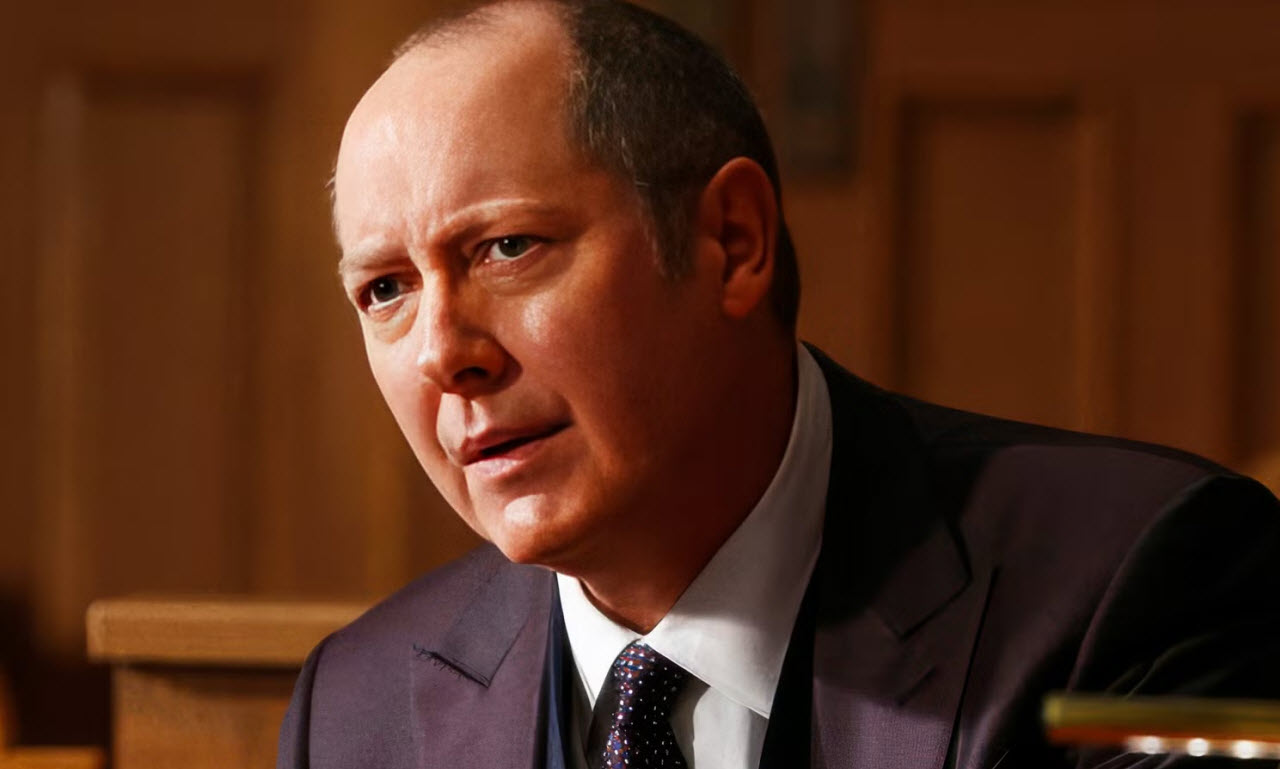
Away from Hollywood, Spader has long maintained a private lifestyle in Greenwich Village with his longtime partner, Leslie Stefanson.
The final confirmation left his longtime followers completely stunned.
Spader candidly discussed his obsessive-compulsive tendencies, explaining how deeply routine shapes his daily life. He was described as intensely particular, from throwing finished cigarettes directly into garbage cans to giving walking tours while discussing literary history.
I’m obsessive-compulsive, Spader admitted. Things don’t slip by, but I’m not very easygoing. Yet that meticulous personality is exactly why his characters often feel so carefully crafted and unforgettable.
Spader also showed a willingness to laugh at himself, joking about gaining around 25 pounds while filming Boston Legal. He compared the acting job to office work and described it as the worst shape he had ever been in.
Decades after first becoming famous, fans still celebrate his iconic style. Young James Spader was the ultimate 80s icon, one fan wrote. His unusual choices, unforgettable screen presence, and iconic hair helped turn him into a lasting pop culture legend.
