
The world feels solid until you realize your mind is making most of it up. Some people can tear themselves apart to see the gears turning while others need a heavy push to understand the noise in their own heads.
Self-awareness dictates every single move you make in this life. It decides how you talk to a stranger and how you protect yourself when things turn sour. But looking inward does not have to be a slow and painful chore.
It can be a shining light to your path.
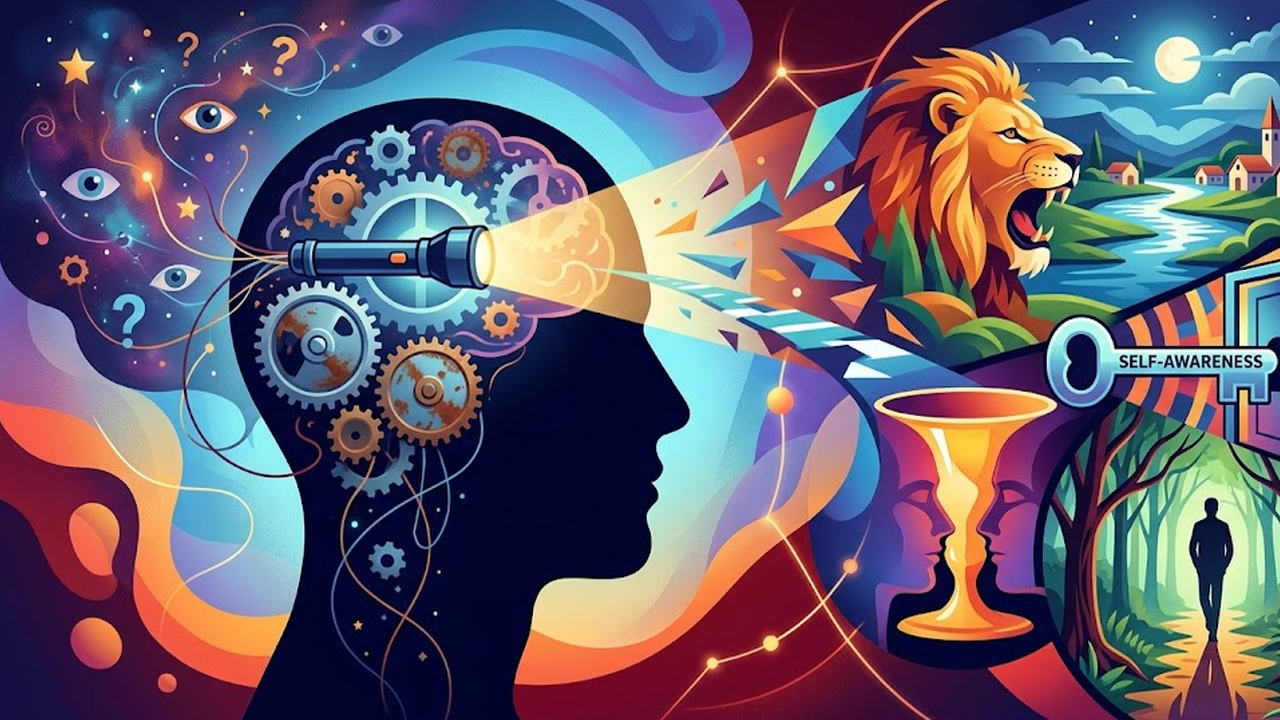
Sometimes the easiest way to see the truth is through a trick of the light. Optical illusions are not just games because they force your brain to make a split-second choice about what is real and what is just a shadow.
The item that your vision locks onto first says a lot about your emotional makeup. It acts like a key to a locked room and reveals the way you handle the weight of the world when no one is watching you.
These eight patterns are designed to peel back the layers of your personality. By watching how your perception shifts, you can finally catch a glimpse of the internal operating system that guides your every choice.
1. Is the Figure Moving To You or Away?
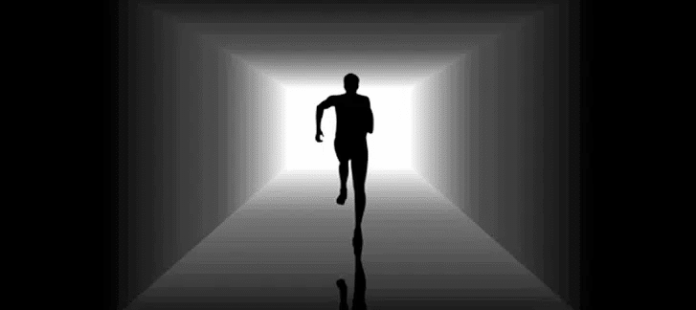
This is a classic illusion showing a person who appears to be either walking toward you or away from you. Even though the image does not move, your brain decides the direction based on how it interprets the scene.
If you see the figure walking away, it suggests you are naturally analytical. You tend to think things through, weighing details before taking action. You are comfortable handling multiple things at once and usually have a strong sense of how outcomes will play out.
If you see the figure coming toward you, it points to a more focused and detail-driven mindset. You prefer to examine situations closely and work through each part carefully. Structure matters to you, and you take pride in doing things thoroughly and correctly.
Neither interpretation is better than the other. The point is how differently people can look at the exact same image and come away with completely different conclusions.
2. Is It A Cat or a Mouse?
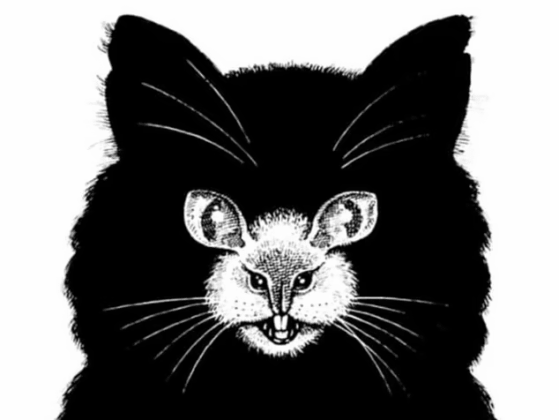
This illusion plays on the familiar predator and prey dynamic. Both the cat and the mouse are hidden within the same image, but your attention usually locks onto one of them almost immediately.
If the cat stands out first, especially if it feels like a point of tension or threat, it suggests a cautious and deliberate mindset. You tend to think ahead, plan carefully, and prefer having things organized before making a move. Stability matters, and you do not rush decisions.
If the mouse is what you notice right away, it points to a more spontaneous and adventurous side. You are more comfortable taking action without overanalyzing every possible outcome. There is a willingness to take risks and figure things out as you go.
At its core, the difference reflects whether your focus leans more toward control and planning or curiosity and exploration in the moment.
3. What do You See First: Lips or a Sunset?

This image looks simple at first, but it splits perception in a pretty telling way. Most people immediately register either a pair of lips or a sunset scene, depending on how their mind processes the shapes.
If you see lips first, it points to a more grounded and direct way of thinking. You tend to value honesty over comfort, and you are not afraid to say exactly what you think. There is a practical, analytical edge to how you look at situations, often leaning more toward realism than optimism.
If the sunset is what stands out, it suggests a more positive and emotionally open perspective. You are more likely to focus on the good in people and situations. Helping others and staying encouraged by possibilities tends to come naturally to you.
In the end, this one leans into a simple divide, whether your mindset is more rooted in realism or guided by a more idealistic outlook.
4. Do You See Clouds or a Fish?

In this image, some people notice soft, drifting clouds, while others immediately pick up the outline of a fish. The difference comes down to how your mind organizes the shapes.
If you see clouds first, it suggests a flexible and go-with-the-flow personality. You are open to change and not overly shaken by uncertainty. You can adapt quickly, but that same looseness can sometimes make consistency or long-term stability harder to maintain.
If the fish stands out to you, it points to someone who values connection and belonging. You tend to form strong bonds and care deeply about your circle. The downside is that loyalty can keep you tied to situations longer than you should, even when they are no longer healthy.
This one highlights a common internal pull, the balance between wanting freedom and wanting meaningful attachment.
5. A Wine Glass or Forks?
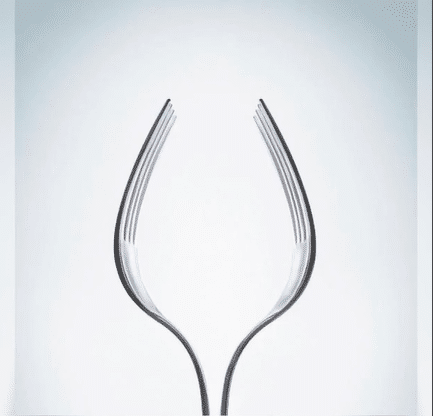
This illusion plays with focus, whether your attention locks onto the center or drifts to the surrounding shapes.
If the wine glass stands out first, it points to a strong sense of direction. You tend to set clear goals and stay committed to reaching them. You are driven, but still aware of how others see you as you move forward.
If the forks are what you notice right away, it suggests a more emotionally guided approach. You are tuned in to others and often put their needs ahead of your own. Empathy plays a bigger role than strict logic in your decisions.
At a basic level, this one reflects how you balance personal ambition with emotional awareness toward others.
6. Outgoing or Timid?

This one is less about a specific object and more about how your eyes move across a crowded image. The way you scan it says a lot about your natural tendencies.
If you find yourself noticing the small, easily missed details first, it points to a more introverted style. You are drawn to depth over noise and usually prefer calm settings where conversations feel more meaningful and focused.
If your attention jumps straight to the larger, more obvious elements, it suggests a more outgoing nature. You are comfortable in busy environments and tend to feel energized when surrounded by people and activity.
At its core, this reflects how you process social environments, whether you lean toward quiet observation or active engagement.
7. Are You Being Hard on Yourself?

This illusion leans more into how you process flaws and criticism, both internally and externally.
If your attention goes straight to what looks off or imperfect, it suggests a strong tendency toward self-criticism. You likely hold yourself to high standards and take mistakes seriously. That drive can push you forward, but it can also become mentally exhausting over time.
If you stay focused on the overall image without zeroing in on flaws, it may mean you place more pressure on others than you realize. Your expectations tend to extend outward, and you may be less forgiving when others fall short.
At a basic level, this reflects where your critical focus is directed, inward at yourself or outward at others.
8. What Is Your Love Language?

This final illusion is more layered and tends to tap into emotional needs rather than simple perception.
What you notice first can hint at how you give and receive affection. Some people pick up on physical closeness or shared moments, while others notice actions that suggest care and support. Each interpretation points to a different way of experiencing connection.
For some, it highlights a strong desire to express love openly. For others, it reveals a deeper need for companionship or reassurance. The details you focus on tend to mirror what matters most in your relationships.
Understanding this about yourself makes it easier to communicate what you need and recognize how you connect with others.
