
A sexuality that has been around for more than ten years is starting to get attention again online. Many people are hearing the word finsexual for the first time and trying to understand what it means.
Different orientations have always existed, but the language people use to describe them keeps changing. These days there are more words than ever to explain who someone is attracted to, and finsexual is one of them.

The term first appeared around 2014 and describes an attraction to people who are feminine in nature. That can include those assigned female at birth as well as those assigned male at birth who present themselves in a feminine way.
One online user summed it up by saying: “Finsexual is the exclusive attraction to those who are feminine in nature. This means finsexual people are attracted to women, feminine-aligned non-binary people, and potentially feminine men. It is the attraction to femininity.”
That focus on feminine traits instead of a specific gender is what has caused confusion for some. On social media one person asked: “Y’all starting to confuse me now. ‘Finsexual’ being attracted to feminine traits… doesn’t that just make you straight if you’re a dude? Or lesbian if you’re a chick? Isn’t a trans woman just a woman? [What] does this even mean, y’all?”
Another user responded by saying they were attracted to FIN individuals but had personal preferences. They said: “I’m attracted to FIN individuals but have a preference for those with female genitalia… I am still attracted to people who are FIN and have male genitalia, just stating this in case anyone missed the keyword ‘preference.'”
Finsexual sometimes overlaps with other terms like gynesexual, though some people say it deserves its own label. There are also versions of it such as finromantic for romantic attraction, finflexible for mostly feminine attraction, and minsexual for attraction to masculinity.
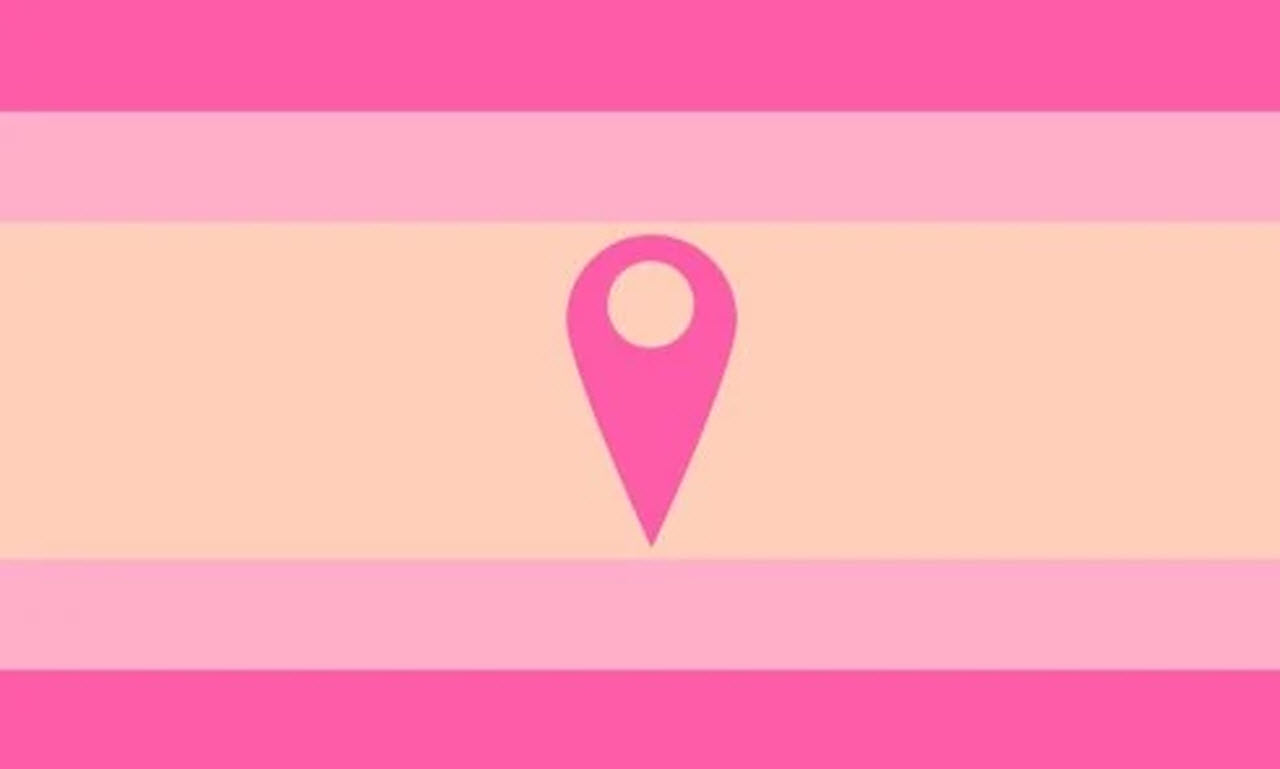
The community has even created flags to represent the label. Most use shades of pink to show femininity, though designs and meanings vary. The term is popular among non-binary groups, but anyone who feels the definition fits them can use it.
Whether you think it adds clarity or just more confusion, the rise of finsexual shows how people keep finding words that match their experiences. It is part of a larger trend where people want language that reflects how they actually feel instead of being forced into old categories.
