
Chuck Negron’s life followed a long arc, starting in a modest Bronx apartment and ending with worldwide recognition few ever reach. Known for both talent and hardship, his journey was marked by struggle, survival, and lasting success. That story ended with his death at age 83.
Negron, the unmistakable voice behind some of Three Dog Night’s biggest songs, died Monday, Feb. 2, at his home in Studio City, California. His publicist said he was surrounded by family at the time. In recent months, he had been dealing with heart failure and COPD.
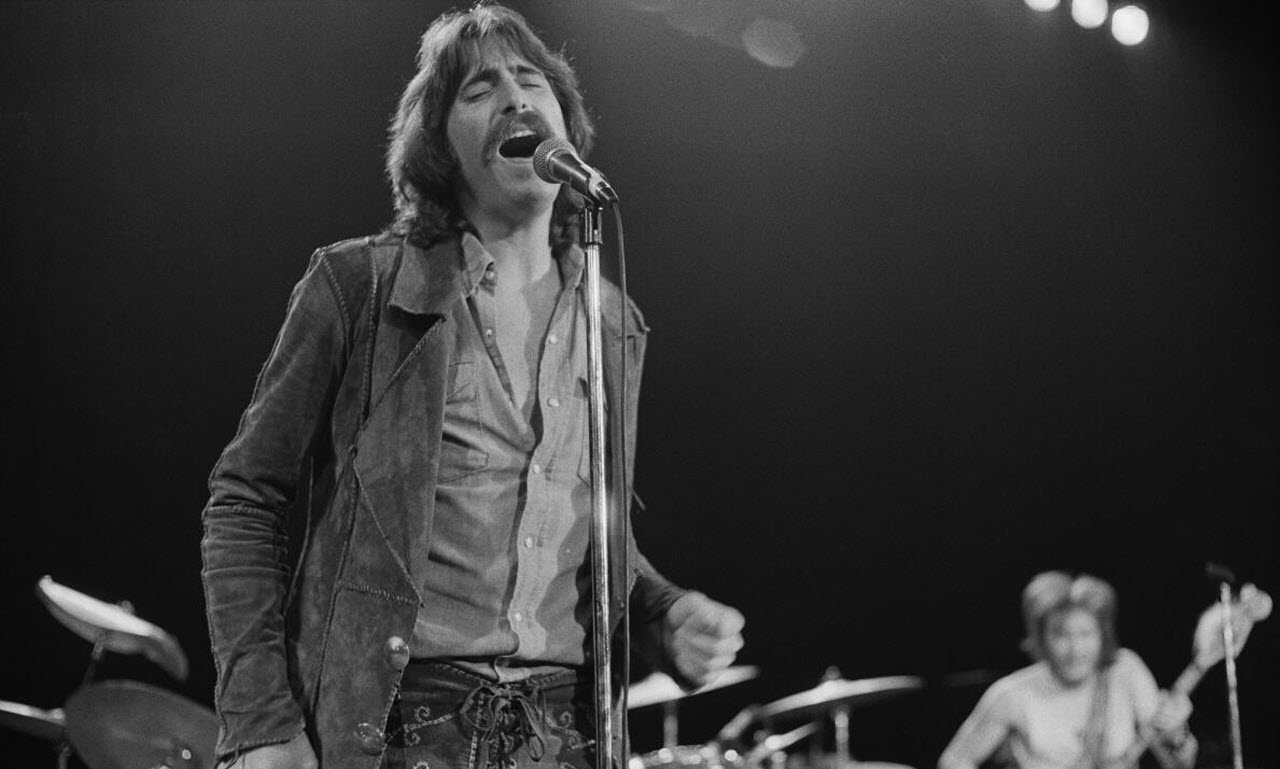
“Negron was a testament to never giving up – persevering through everything life throws at you, everything you may throw at yourself, and striving on,” his publicist said. The statement framed his life as one defined by resilience, even when setbacks were often self inflicted and deeply personal.
Born June 8, 1942, Negron grew up in the Bronx, raised by his father Charles Negron, a Puerto Rican nightclub performer, and his mother Elizabeth Rooke. Music shaped his childhood early, mixing with neighborhood basketball games and doo wop groups that sharpened his voice.
By age 15, Negron had already recorded a single and stepped onto the Apollo Theater stage with his group The Rondells. Remembering the moment years later, he told the Rapid City Journal in 2004, “We were not just only the white group in the building. But by our second verse, something magical happened. The audience started to cheer us on.”
That night stayed with him, reinforcing how music could break down walls and pull people together despite differences. It became a guiding lesson he carried forward. Soon after, he moved west on a basketball scholarship to attend California State University, though music quickly took priority.
While in Los Angeles, Negron joined forces with Danny Hutton and Cory Wells, forming Three Dog Night in 1967. The group gained attention for its harmonies and sound. Negron’s voice became the emotional center, carrying songs that would later define an era of radio staples.

He led vocals on hits including “Joy to the World (Jeremiah Was a Bullfrog),” “One (Is the Loneliest Number),” “Old Fashioned Love Song,” “The Show Must Go On,” and “Easy to Be Hard.” At their peak, the band expanded with additional members as success accelerated rapidly.
But the rise came with consequences. Heavy drug use and internal conflict took their toll, and the band eventually collapsed while still enormously popular. Negron’s relationship with Hutton fractured for decades, only repaired last year in what his publicist described as “a timely effort to exchange apologies and bury the hatchet.”
Offstage, Negron faced long battles with addiction before achieving sobriety in 1991. Determined to rebuild, he launched a solo career, releasing seven albums between 1995 and 2017. He also shared his story in his 1999 memoir Three Dog Nightmare.
The book detailed fame, addiction, near death experiences, and recovery, becoming a best seller. Even as COPD affected his health, Negron continued touring until the COVID 19 pandemic made performing unsafe. His publicist said family remained his greatest priority throughout everything.
“Through his six decades of success, and all the ups-and-downs, his large, unconventional family was most important to him,” the publicist said. Negron is survived by his wife Ami Albea Negron and his children, leaving behind a voice that still resonates.
