
Hailey Davidson spent years chasing her lifelong dream on the green. She trained relentlessly every single day to earn a spot at the absolute highest level of competitive sports.
Her main goal was clear and simple. She wanted to tee off at the U.S. Women’s Open qualifier in 2025 and prove her talent against the very best competitors in the world.
She poured everything into her athletic career. Golf was not just a game to her, but a core part of her identity that she had nurtured through years of dedicated practice.
New LPGA and USGA policy to ban many transgender women from competing in elite tournaments https://t.co/goY3tNVqpz
— Los Angeles Times (@latimes) December 5, 2024
A single policy change wiped out years of hard work.
Everything changed when governing bodies suddenly altered the eligibility rules. The new requirements stated that players must be assigned female at birth or transition before puberty.
Because 33-year-old Hailey Davidson transitioned after puberty, she was blocked from competing. She responded by filing a major lawsuit against the LPGA, USGA, and Hackensack Golf Club.
The legal action claims these regulations effectively ban trans women from playing golf. Many states strictly forbid access to gender affirming care for young minors.
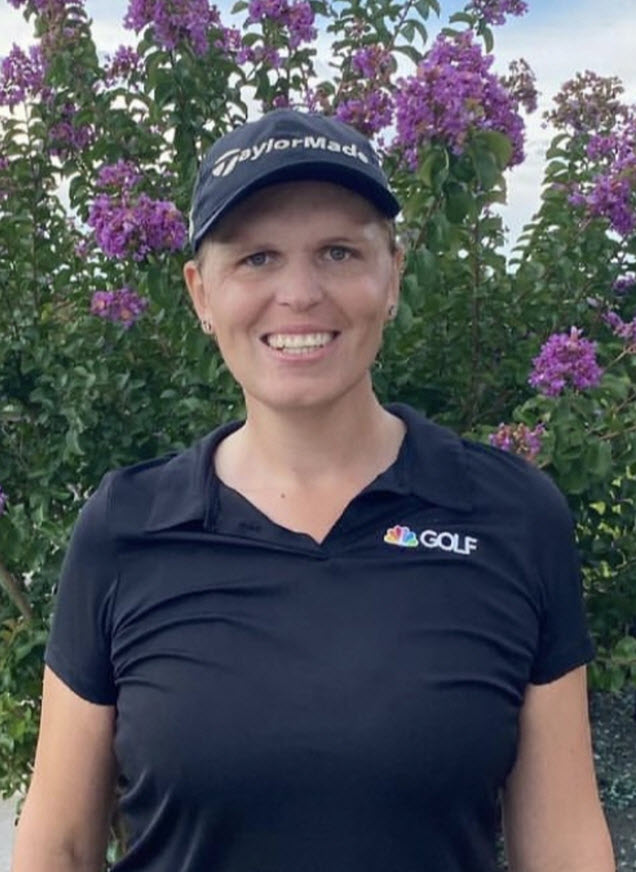
The courtroom became the new competitive arena.
Hailey Davidson argues that requiring players to transition before puberty is an impossible standard. The policy creates a permanent barrier that trans athletes cannot cross.
She accuses the sports organizations of violating civil rights laws in New Jersey. State regulations explicitly prohibit discrimination based on gender identity or expression.
Her lawsuit alleges that sports officials exerted control over her participation. They gathered her private medical details and used that info to keep her off the course.
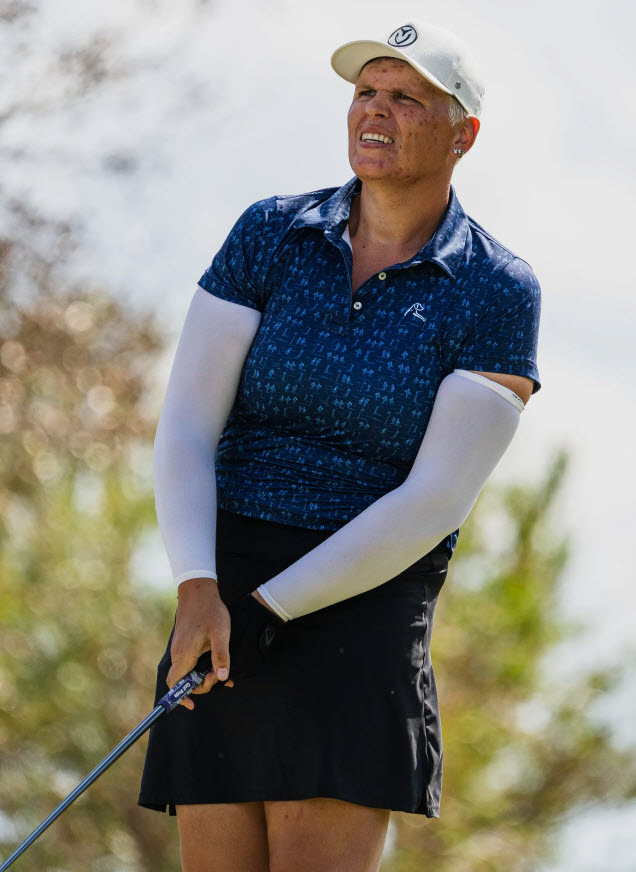
A personal passion turned into a public fight for inclusion.
The LPGA defended its decision in an official public statement shared with reporters. They stated their gender policy protects the competitive integrity of elite women’s golf.
Officials acknowledged the legal complaint and chose to let the process play out in court. Neither the USGA nor Hackensack Golf Club responded to direct requests for comment.
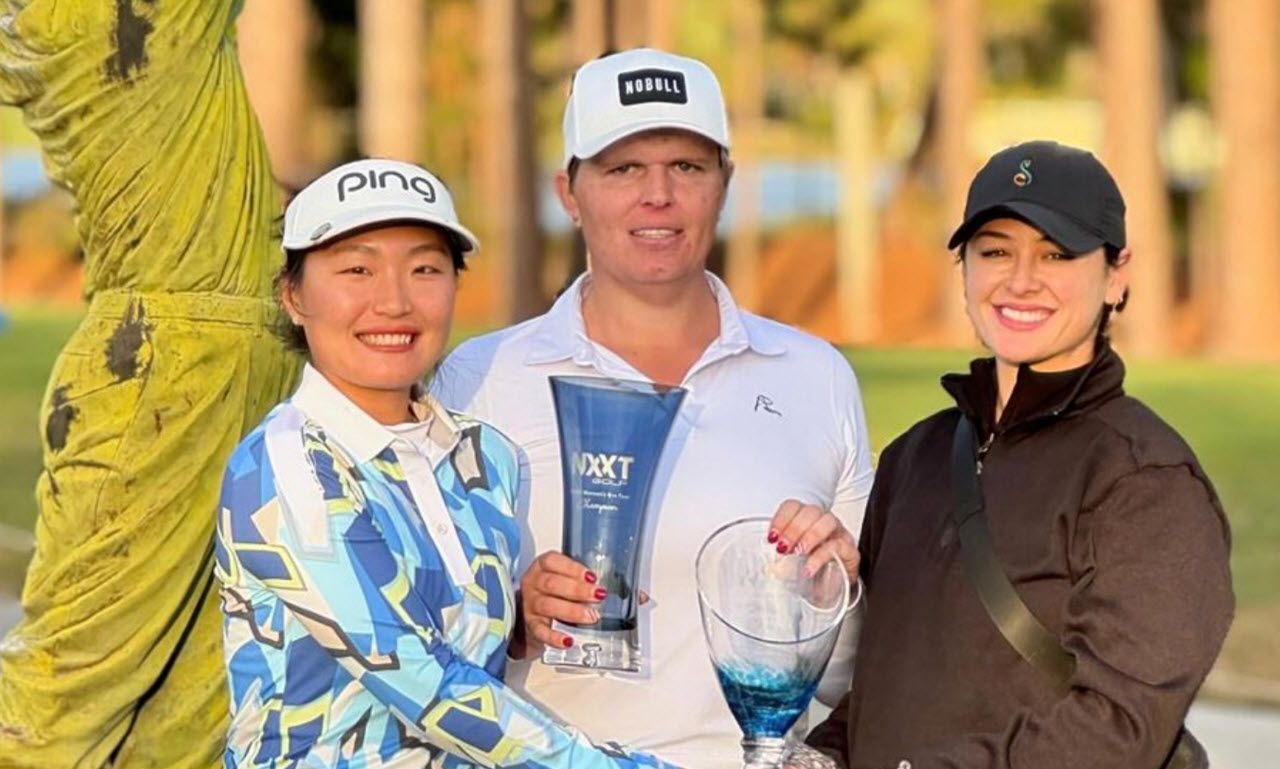
Hailey Davidson shared her deep frustration in an emotional post on social media. She wrote, “Truthfully, I feel less and less welcome in the golf world and society as a whole each and every day.”
Political pressure began reshaping the sports landscape.
She added, “A majority of society wants exactly that to be the case too.” Her personal struggle unfolds alongside intense national political debates over trans participation in athletics.
"Isn't he just the best?" — Olympian Kaillie Humphries gives Trump an award for his impact on women's sports and "standing up to keep biological women in women's sports" pic.twitter.com/0HQS7BfvNP
— Aaron Rupar (@atrupar) March 12, 2026
Donald Trump signed an executive order aimed at restricting trans women from competing. He claimed his official actions were meant to protect female athletes in sports.
His executive order put direct pressure on schools and sports organizations. He stated during the signing ceremony, “With this executive order, the war on women’s sports is over.”
The debate reached the highest levels of government.
Critics strongly questioned his motives given his controversial history and past remarks. They argued his political stance was designed to appeal to his conservative base.
Estimates show about 1 percent of the U.S. population identifies as trans. An even smaller fraction of those individuals ever attempt to compete in professional sports.
Yet the topic remains a major focal point for political commentators and lawmakers. High profile figures continue to speak out publicly on both sides of the issue.
Public ceremonies became battlegrounds for political opinion.
At a White House event honoring Women’s History Month, an athlete took the stage. Olympic bobsledder Kaillie Humphries presented Donald Trump with her Order of Ikkos medal.

She thanked him for standing up to keep biological women in women’s sports. Her gesture sparked immediate backlash from critics online who strongly disagreed with her view.
Kaillie Humphries asked the gathered crowd, “Isn’t he just the best?” Her question highlighted the deep social divide surrounding trans rights and athletic participation today.
