

October arrives, the evenings get darker, and suddenly a lot of Millennials have the same idea. They want to stay home, put on something familiar and revisit the television shows they loved as teenagers.
Gilmore Girls starts playing again. Friends becomes the background noise while emails get answered, and The O.C. somehow finds its way back onto the television. Even knowing exactly what happens to Marissa Cooper doesn’t seem to matter.
And it isn’t just those three. Gossip Girl, One Tree Hill, Desperate Housewives, Sex and the City, Scrubs, Skins and The Vampire Diaries are all getting another look from viewers who first discovered them years ago.
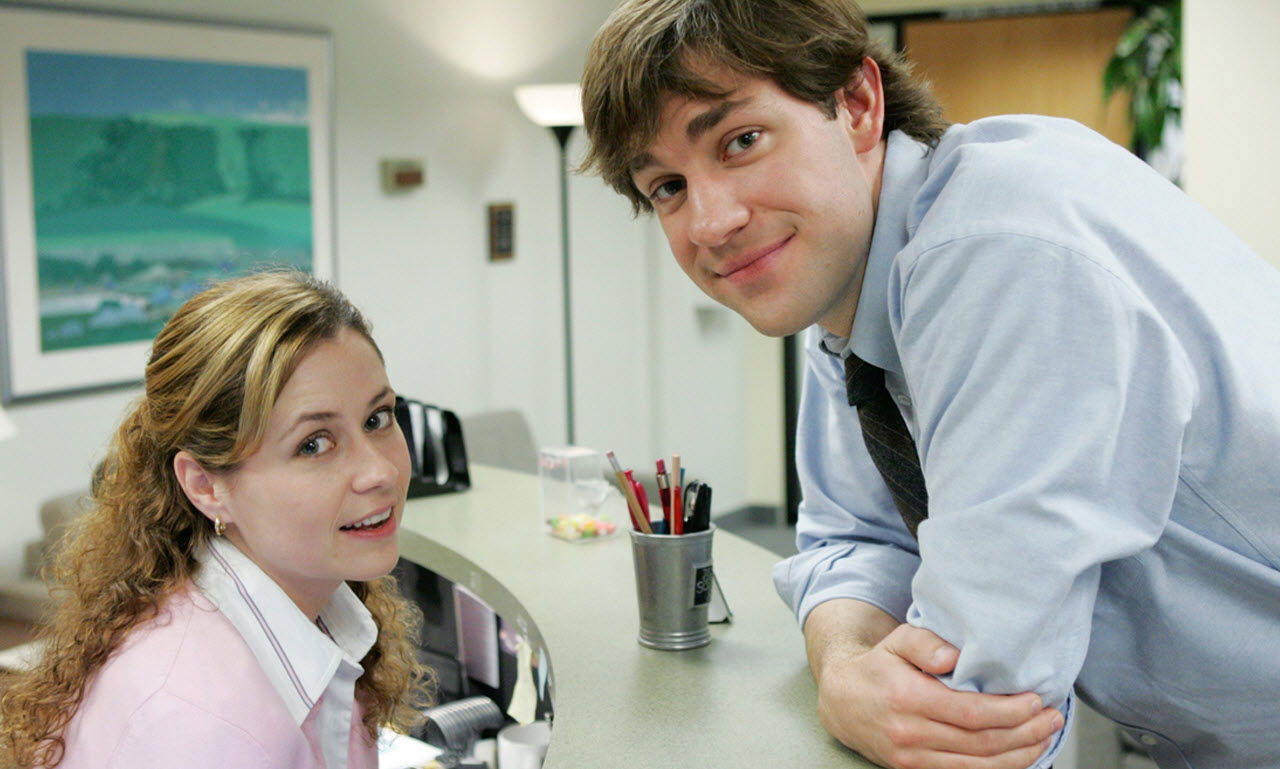
But why do so many people keep returning to the same shows?
Psychologists say there may be more going on than simply missing the past. The shows haven’t changed, but the viewers have.
For many people, these programs are connected to much more than the stories on screen. Watching them as teenagers meant something different, and the memories surrounding those first viewings can be surprisingly detailed.
You might remember a character who reminded you of someone you dated, or the clothes you wanted to wear after seeing a particular episode. Perhaps Effy Stonem from Skins even influenced a few decisions that seemed like a good idea at the time.
And the memories don’t stop with the characters.
People often remember the bedrooms where they watched their favorite shows, the friends they spent time with, the snacks they ate and even the music they listened to afterward. Those details become connected to a period when they were still figuring out who they wanted to be.
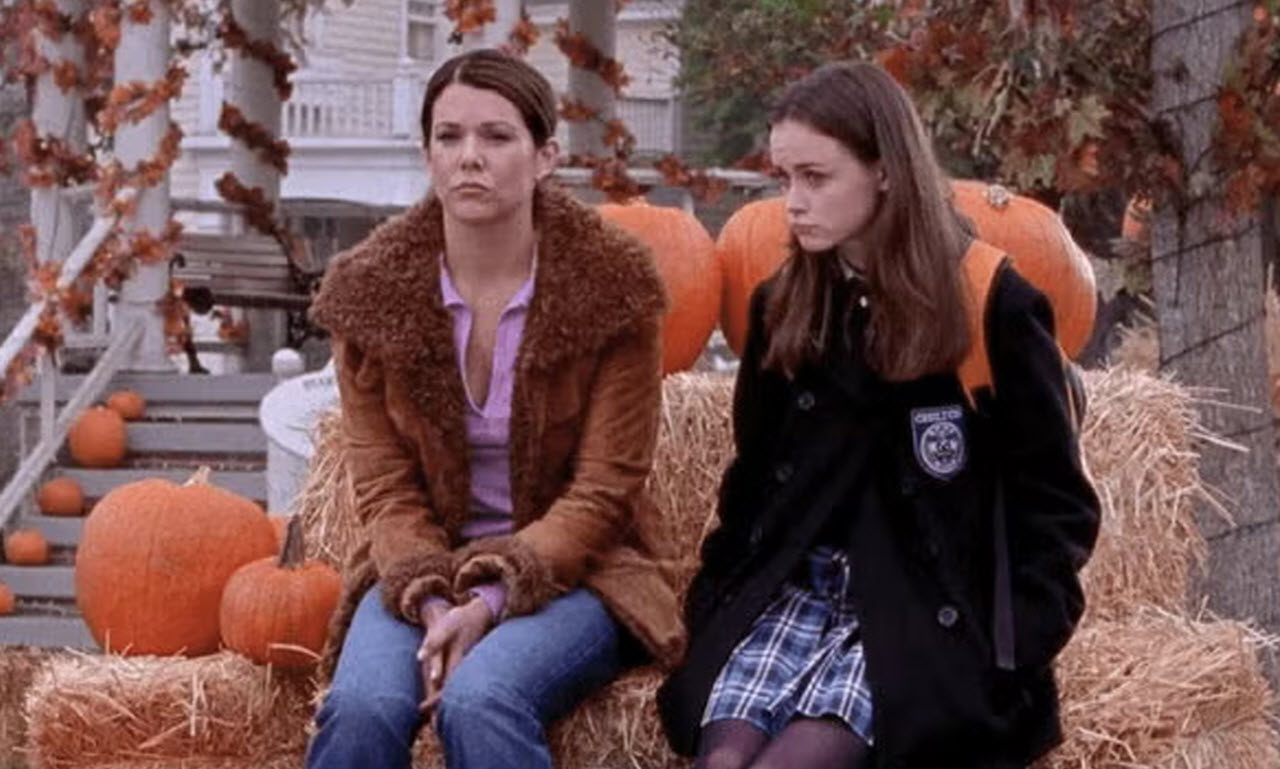
Dr Connie McReynolds explained to Tyla that returning to these programs isn’t necessarily about wanting to experience teenage life again.
“It’s more than wanting to be a teenager again. This is more than simple nostalgia because when we go back to a show from our teenage years we don’t want to be that age again but to find something familiar and safe from the past,” she explained.
“The teenage years are important for identity, so the music we listened to, the friendships we had and the shows we watched become connected with memories of what mattered to us, what we hoped for and how we were beginning to understand ourselves.”
She added: “By rewatching those shows as an adult can give us access to that earlier version of ourselves, but from a completely different perspective.”
And that different perspective can make an old favorite feel like an entirely different program.
Consider watching The O.C. at 16 compared with watching it at 32. The episodes are exactly the same, but the person sitting in front of the television has experienced another 16 years of life.

Suddenly, Sandy Cohen might make a lot more sense. The parents become easier to understand, while some of the teenagers’ decisions might leave you wondering what they were thinking.
Carrie Bradshaw’s dating choices might also look a little different when you’re older. And watching Gossip Girl again can make you question how those characters managed so many relationships, outfits and elaborate schemes.
Even characters you once admired might become difficult to tolerate.
That change in opinion is part of the appeal.
A familiar series can also give viewers an opportunity to take stock of their own lives. Research exploring repeated television viewing has suggested that returning to familiar stories can help people recognize changes in their own attitudes and circumstances.
Dr McReynolds sees that as another reason these rewatches can be meaningful.
“A nostalgic binge can give us the chance to self-reflect”
“A character we once loved may suddenly frustrate us, we might understand the parents, relationships or storylines very differently or wonder what on earth made us have that haircut!” she joked.

“With that in mind rewatching can become a subtle way of measuring how much we have changed and the progress that’s been made, esp if we feel stuck after a break up or job loss.”
So that Scrubs marathon might be doing more than filling an evening.
You could find yourself understanding a character you previously disliked, recognizing relationship problems you didn’t notice as a teenager, or remembering something difficult that you eventually managed to get through.
One Tree Hill is another example. At 16, watching a character deal with heartbreak might have felt overwhelming. Years later, you might recognize those same feelings from your own experiences and realize that life continued.
The comfort comes from knowing the story, but the experience is different because you’ve changed.
And sometimes that is particularly appealing when things aren’t going well.
Adult life brings work, bills, complicated relationships, and decisions that seem to arrive one after another. Even choosing something to watch can become another small task when there are hundreds of programs available.
An old favorite removes some of that effort.
Dr McReynolds explained that predictability is an important part of why people return to familiar television.
“There is also something comforting about the shows’ predictability,” she said. “When life feels busy, loud and demanding, watching something where we know the characters, the story and even what is going to happen next removes some of the cognitive effort involved in choosing and following something new.
“We know what emotional territory we are entering, and that can feel very safe.”
Think about putting on Friends after a difficult day. You already know the characters, their relationships and the arguments that are coming. There’s no need to concentrate on learning a complicated new storyline.
Ross and Rachel will probably have another disagreement, Lorelai will be drinking coffee, and Michael Scott will find another way to make everyone uncomfortable.
That’s exactly what some viewers want.
A familiar program offers entertainment without requiring the same mental effort as starting something completely new. You already know what you’re getting, including how the story is likely to make you feel.
And October seems to be an especially popular time for this kind of viewing.
As autumn arrives, evenings become darker and people spend more time indoors. Summer activities start to give way to quieter nights at home, making familiar television an easy choice.
The blanket comes out, the heating goes on, and suddenly another Gilmore Girls rewatch seems like a perfectly reasonable way to spend the evening.
Dr McReynolds believes the seasonal change can contribute to the habit.
“Autumn is the era of familiarity”
“I think that the autumn adds to that because our routines change, evenings become darker and we spend more time at home, and we want things that are familiar and comforting.”
“Putting on Gilmore Girls or Friends can be less about wanting to go backwards and more about finding something reassuringly familiar while reconnecting with a part of your own story.”
Her advice was simple.
“I would say, get comfy, hunker down and not only relive the past but also see just how far you have come.”
So perhaps Millennials aren’t trying to return to being 16. They are revisiting the entertainment that was part of that time, while discovering that their own experiences have changed the way they see it.
And with another autumn bringing darker evenings and more time at home, those old favorites probably aren’t going anywhere.
