
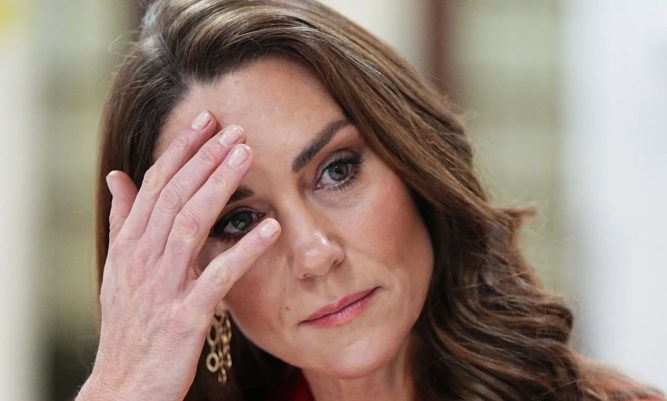
Three years ago, Prince William looked at his wife like she had completely lost her mind. She kept up a strange habit that made zero sense to him, especially when it was dark and raining.
He even called her crazy to her face. Most people probably would have agreed with him back then, yet she never stopped doing it anyway.

But William had a massive change of heart. He went from mocking her routine to joining her in the freezing cold water.
Cold swimming sounds brutal to most folks. You strip down and walk straight into a freezing lake or river in the middle of nature.
Kate Middleton loves it. Back in 2023 on The Good, The Bad & The Rugby podcast, she talked openly about her obsession with cold water swimming.
“The colder, the better. I absolutely love it. Slightly to the point where William’s like, ‘Catherine, you’re crazy.’ And it’s dark, and it’s raining.”
So what changed William’s mind?

During a guest editorship for Country Life magazine, he admitted he was wrong. He confessed that he now feels a strong pull toward the water whenever he goes out for a walk.
“I’d love us to have rivers that are clean enough for all of us to swim in. There’s something about the sound of running water that I find impossible to resist. If I come across a beautiful stretch of river on a walk, I’m always tempted to jump in for a quick dip in the cold water, so it pays to be prepared.”
Turns out, Kate was onto something huge all along. Science backs up the exact rush she chases in the dark.
Professor Joyce Harper explained what actually happens inside your brain when you hit that freezing water. Your body floods with endorphins, which act as natural painkillers and mood boosters.
She noted in a blog that the cold also triggers dopamine and oxytocin. Those chemicals control pleasure, reward, trust, and social bonding.
Your brain literally rewires its stress response in minutes.
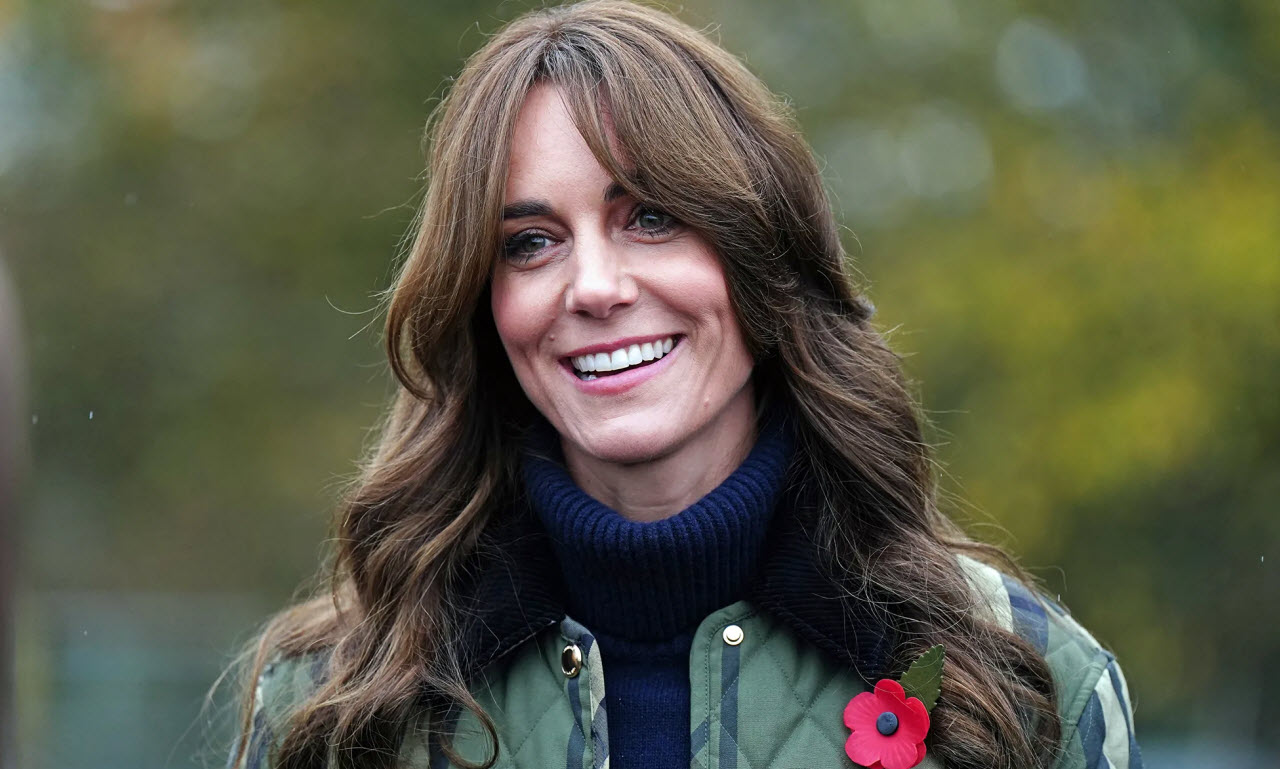
Open water swim coach Karen Marshall has trained swimmers since 2020 alongside Olympic swimmer Keri-Anne Payne. She knows exactly why a royal with massive daily pressure would crave that kind of shock.
“Getting into cold water is mind gymnastics. You’re concentrating so hard on what you’re feeling and how you’re coping that there’s no room for anything else. Work, worries, the to-do list all disappear. For those few minutes it’s complete relief from everyday thoughts, and people get out feeling clear-headed, calm and a bit proud of themselves.”
Marshall also pointed out that stepping into nature forces you to accept things you cannot control. The weather, the wildlife, and the seasons just happen around you.
“Being outdoors is good for all of us. Being surrounded by natural beauty puts life in perspective. The wildlife, the weather, the changing seasons are all completely out of our control, but we can immerse ourselves in them and cope, and that’s fine. There’s something really freeing about that. You notice these changes through the year, and the swim becomes a way of feeling part of it rather than hiding from it.”
But getting into water below 15 degrees Celsius is no joke.
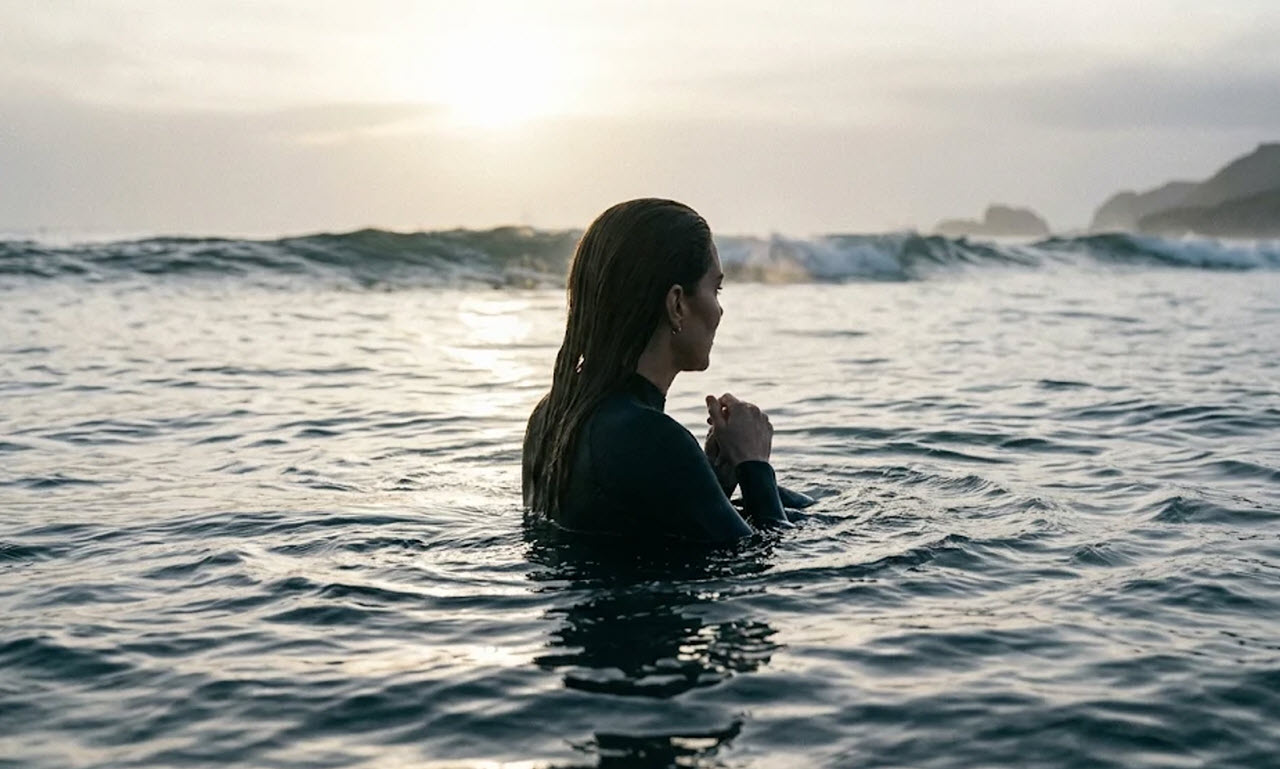
William apparently lets out a loud yelp when he gets in. Marshall confirmed that reaction is totally normal because your body hits a cold water shock response immediately.
“That yelp William describes is completely normal. Anything below 15°C counts as cold water, and when you get into it your body has a cold water shock response: you gasp, your breathing speeds up and your heart rate jumps. That’s very different from just feeling chilly on a cold day. Nobody gets rid of the response completely, but you can learn to manage it. Get in slowly, breathe out long and steady, and give yourself 60 to 90 seconds before you start swimming.”
Medical experts see the appeal, though they urge caution. Dr Muhammad Qasim, a pulmonology and sleep medicine specialist at My Sleep Apnea Team, broke down the physical impact.
“Cold-water swimming may offer several physical and psychological benefits, including improved alertness, reduced stress and better overall well-being. Like regular swimming, it provides cardiovascular exercise, while the cold exposure adds a physiological stimulus that some people find refreshing and mentally invigorating.”
He pointed to a 2025 systematic review of 3,177 people showing lower stress 12 hours after cold immersion, plus better sleep. Still, most of that data looked at cold showers or baths rather than open rivers.
“From a respiratory perspective, sudden cold-water exposure can trigger rapid breathing and a sharp increase in heart rate and blood pressure. This makes it particularly important for people with cardiovascular or respiratory conditions to seek medical advice before trying it. The potential benefits are interesting, but colder water doesn’t automatically mean better health.”
So how do you start without shocking your system too hard?
Marshall recommends starting in late summer so your body adapts as the temperatures drop through autumn and winter. She also stressed never swimming alone, keeping early dips to just a few minutes, and warming up right away with dry layers, a hot drink, and a sweet snack.
If you have asthma, high blood pressure, a heart issue, or you are pregnant, talk to your doctor first. Working with a qualified coach makes the whole process much safer.
William once thought his wife was out of her mind for braving the dark rain. Now he cannot walk past a river without wanting to jump right in.
