
Take a close look at your upper arm. You might spot a shallow round dent pressed into the skin. It looks almost like an old animal bite.
Nobody talks about it until everyone notices at once. It is not some Harry Potter lightning bolt, but a quiet circle on the flesh.
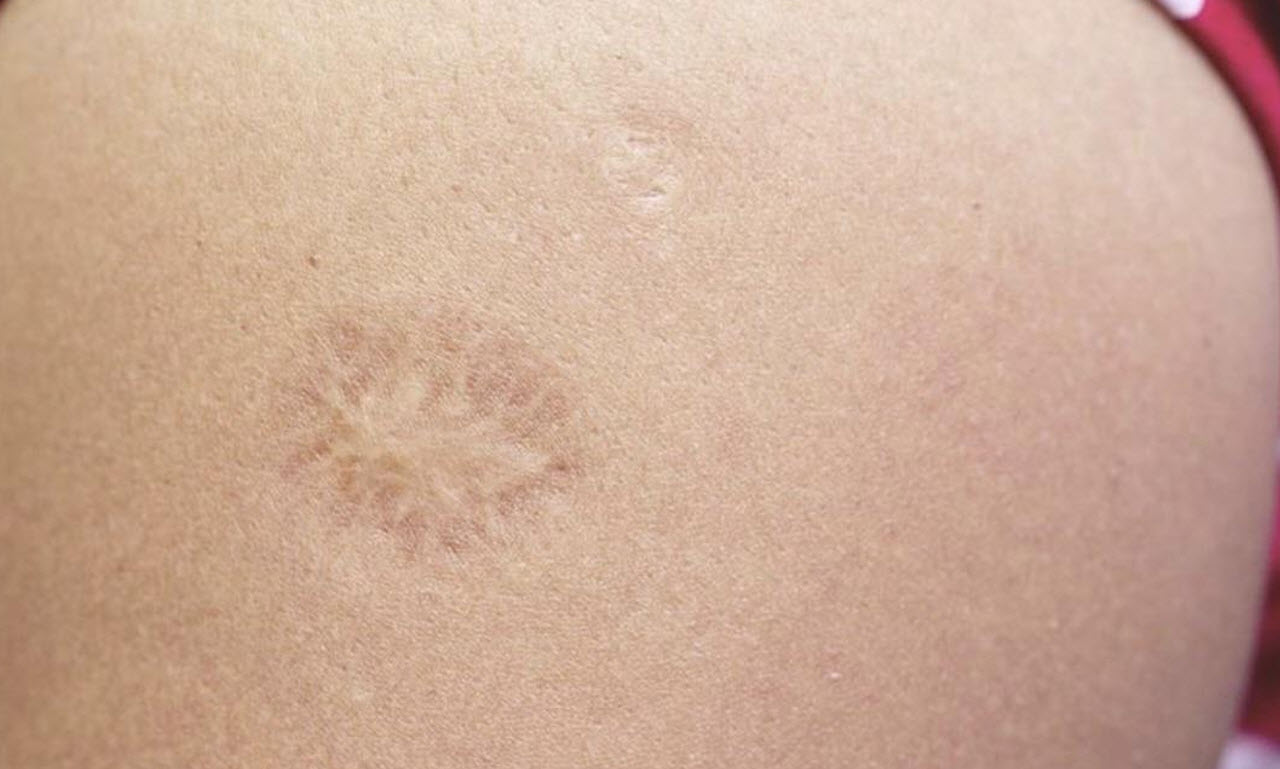
Social feeds erupted after everyday users began sharing pictures of their matching shoulders. Reporter Niamh Shackleton tracked the sudden wave of confusion.
The mark was hiding in plain sight.
Bewildered people scratched their heads online. One user shared an image of the flesh mark and asked, “Can anyone explain why everyone has this mark?”
That shared circle is no mystery accident. For most young adults, it is the permanent physical legacy of the Bacille Calmette Guerin vaccine, known simply as BCG.
Doctors administer the injection to protect human lungs from tuberculosis. Millions who carry the subtle pit had no clue what actually left it behind.
A single injection divided entire generations.
There is another explanation for older generations. If you were born decades ago, that exact mark likely came from a smallpox jab.
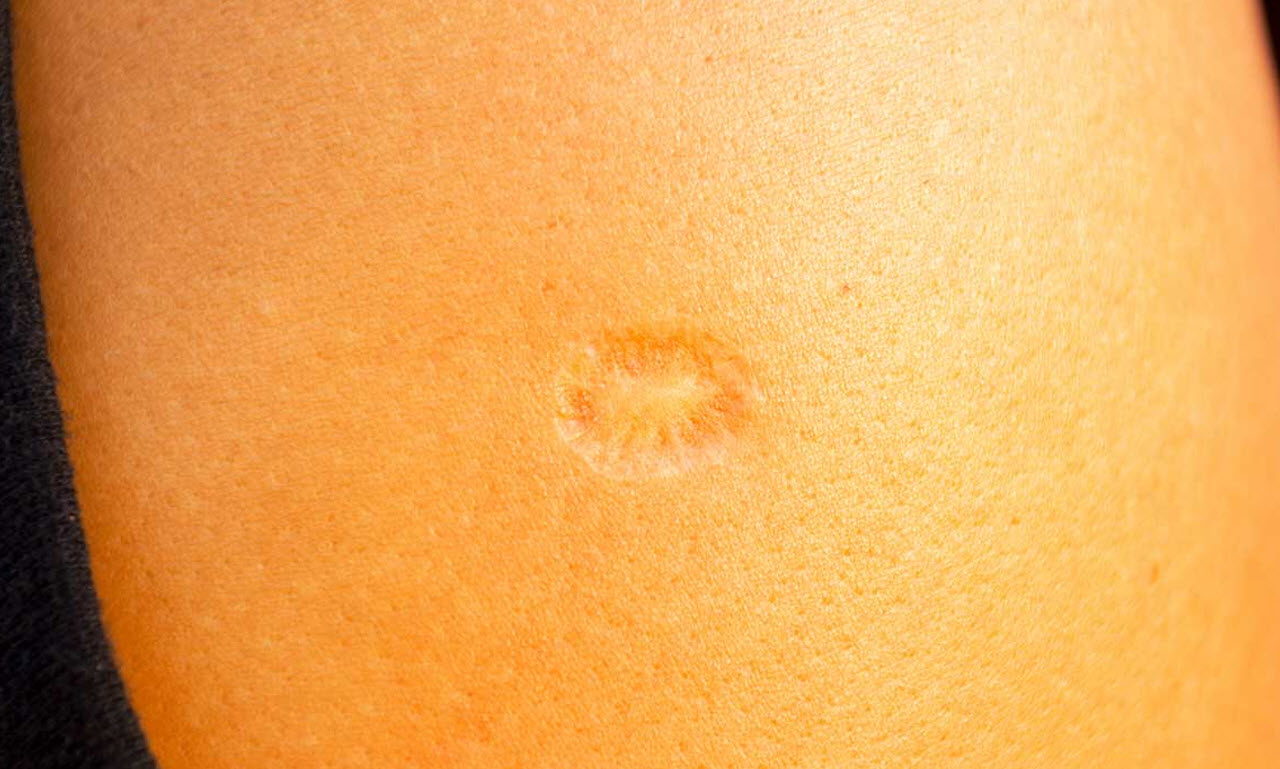
Smallpox devastated human populations until global vaccination programs pushed it back. The United Kingdom halted routine inoculations in 1971.
America followed suit in 1972. By 1980, the disease was eradicated, meaning anyone born after the late seventies never got that particular jab.
Borders decided who wore the scar.
Tuberculosis programs evolved along totally different national boundaries. The BCG World Atlas confirms that 150 countries still give the vaccine to infants.
Nations like Russia, Greenland, China, Indonesia, and Argentina routinely vaccinate newborns. Citizens growing up in those places expect the little dent.
The United States approaches the vaccine from an entirely different angle. Routine infant shots were never adopted because American infection rates remain rare.
Most Americans skipped the jab entirely.
Recent federal data reports three tuberculosis cases per 100,000 residents. Because infection is rare, childhood jabs never became standard.
Certain people can still qualify under strict medical rules. Federal health guidelines state, “In the United States, BCG is only considered for people who meet specific criteria and in consultation with a TB expert. Talk to your health care provider if you have questions about the vaccine.”
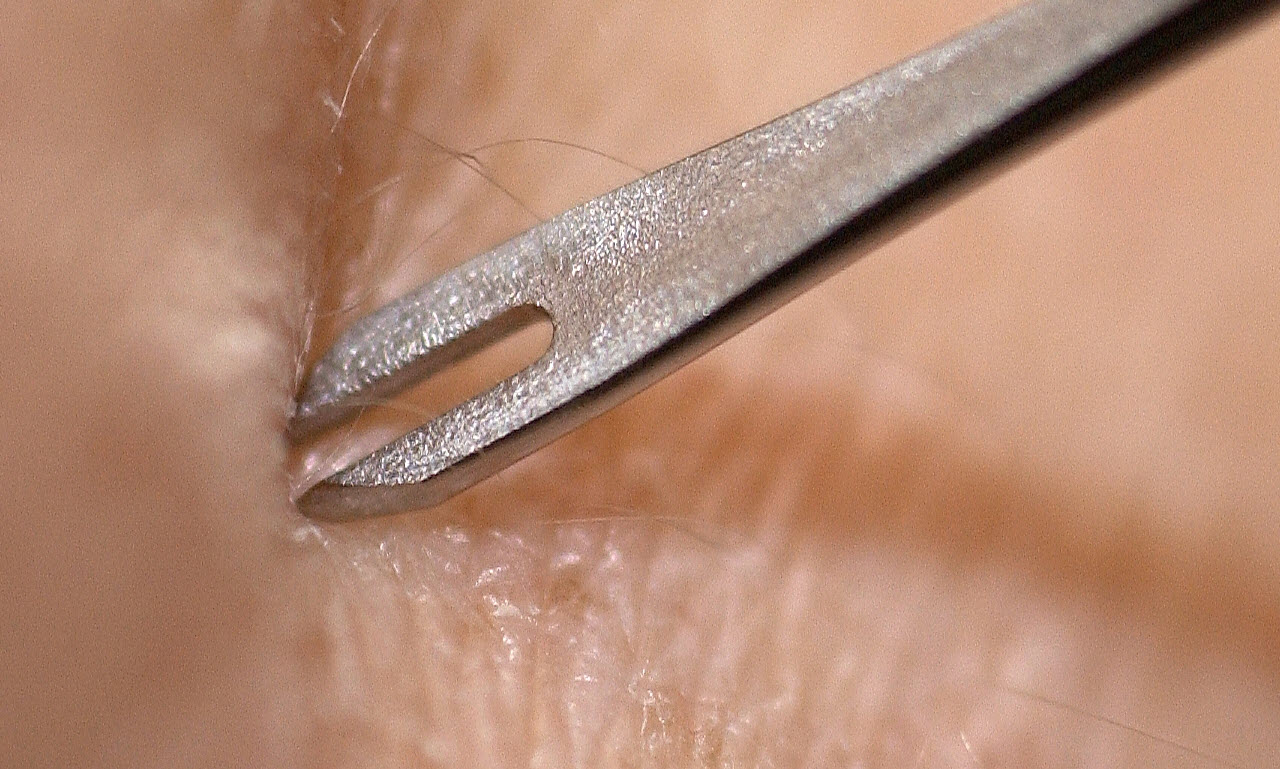
Even without a universal mandate, many Americans still carry the scar from overseas travel, specialized medical work, or previous residency abroad.
The blister was only the beginning.
An active localized infection triggers the dramatic dent. Unlike a simple modern prick, the biological response takes weeks to settle under the skin.
A national health service explained, “The main side effect of the BCG vaccine is a blister where the injection was given. This may appear as a raised bubble straight after the injection and then turn into a blister or a sore after 2 weeks. It then forms a scab and can take a few weeks or months to heal, leaving a small flat scar.”
Uncommon side effects occasionally surface during recovery. Some patients develop a temporary fever, a pounding headache, or swollen glands beneath the armpit.
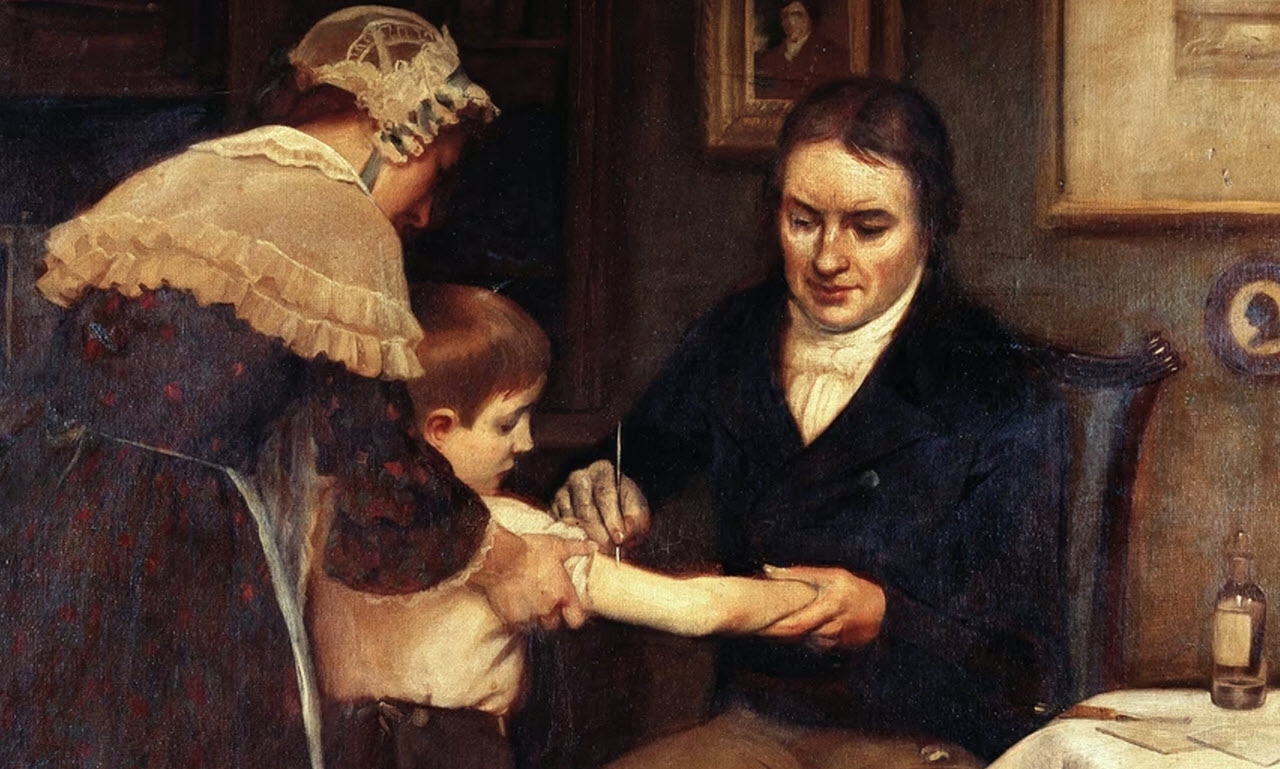
The smallpox needle was far more aggressive.
Doctor David Abbasi, a specialist in sports medicine and orthopedic surgery, weighed in on the mystery before his 171,000 followers on social media.
The medical expert explained, “That distinct scar isn’t random, it’s actually from how the smallpox vaccine was given. Unlike modern vaccines (a quick needle poke), the smallpox vaccine used a ‘bifurcated needle’ that pricked the skin multiple times in a small area, delivering the vaccine directly into the epidermis. That repeated puncturing triggers a stronger localized immune response, which causes visible scarring as the skin heals.”
That physical trauma explains the pitted texture. The specialized prong pricked the surface layer multiple times to trigger an immune response.
What looked like an internet mystery turned out to be public health history. Millions of strangers carry the same protective shield.
