
Morning light hit the classrooms of Tribhuvan Trishuli Secondary School in Nuwakot, where children settled into their desks.
The daily routine vanished just past nine when four calls warned the staff that a glacial lake had broken its high banks.
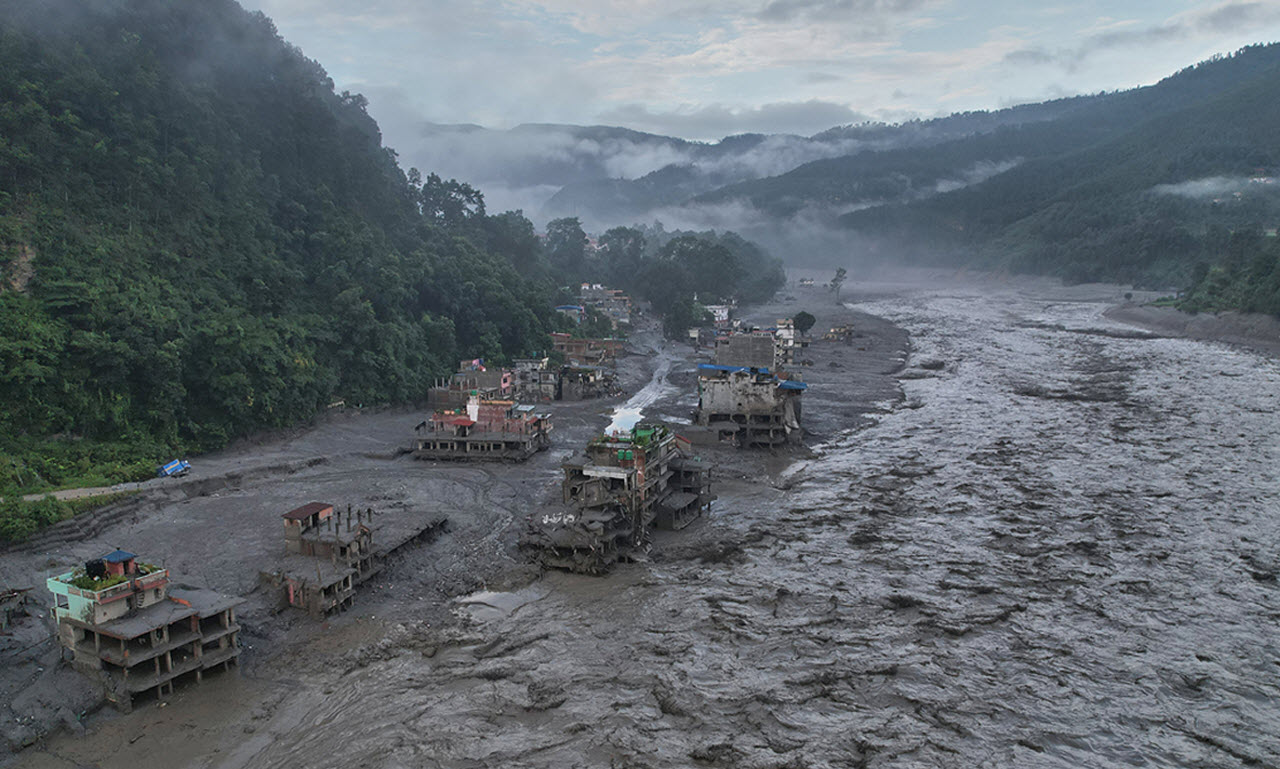
A massive wall of water, ice, and mud was already surging down the steep valley straight toward the populated school grounds.
Headmaster Rajendra Dawadi knew nine hundred young students were sitting in harm’s way, leaving him with only minutes to act.
Terrified parents rushed to the school gates on foot, desperate to grab their children before the rising torrent swallowed the basin.
Dawadi heard the father. “A parent came and told me that a big flood was coming, I am here to take my daughter, I will take her.”
Ten fragile minutes stood between the crowded valley school buildings and total annihilation from the rushing mountain waters.
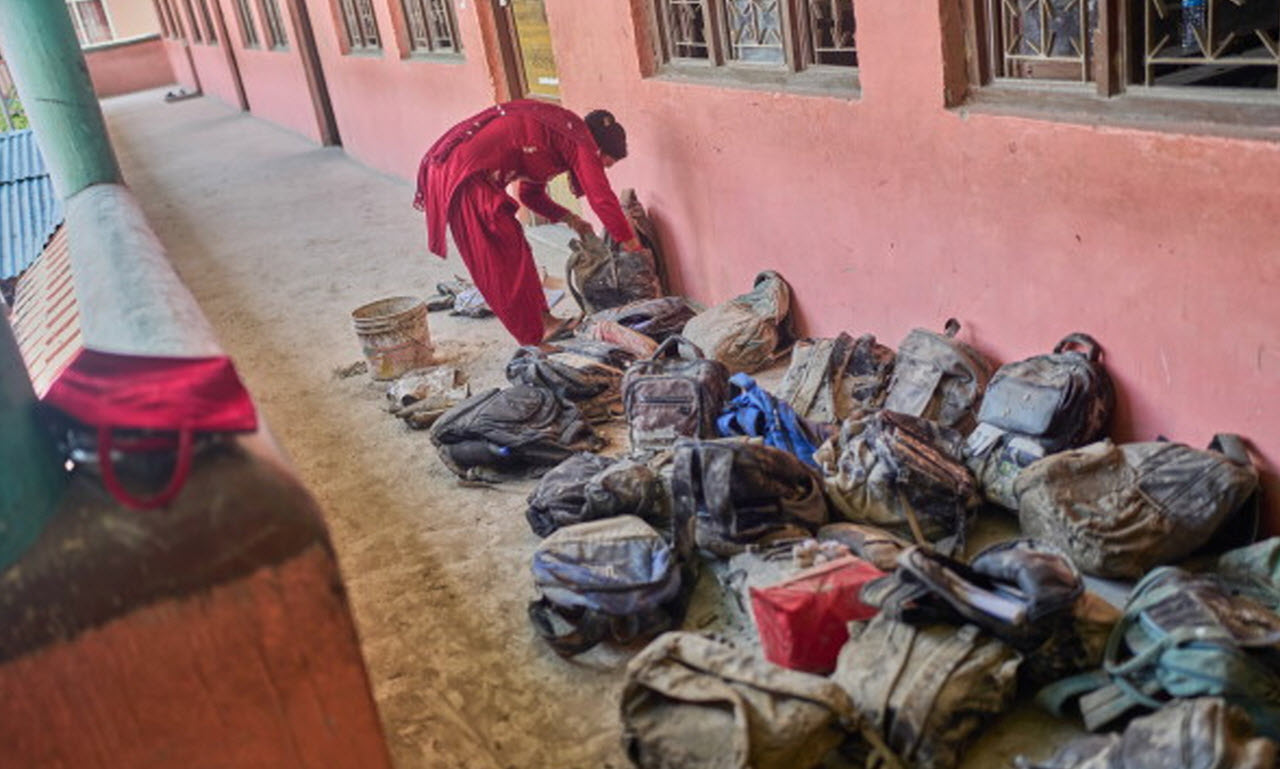
He understood the panic. “Parents don’t rush without a strong reason, so it was confirmed that I shouldn’t waste a second to evacuate the children.”
Schooling could wait. “I decided I shouldn’t delay any more. Even if the flood was not coming, it was just a matter of a single day’s classes.”
Transport buses were loaded with as many kids as possible, while Dawadi pointed hundreds more toward higher mountain paths.
The heavy roar of crushing mud and snapped timbers echoed across the valley before the last classroom was completely cleared.
Confusion spread through the crowded halls as sixteen year old Yunisha Amatya sat at her desk, unaware of the sudden danger.
She survived by inches. “I, along with my friends, survived by just 10 seconds only. Just before the flood came, we were in class studying.”
Staff panicked. “Teachers had gathered in one place and initially had no idea what had happened. After five minutes, teachers came and informed us about the flood and asked us to go home.”
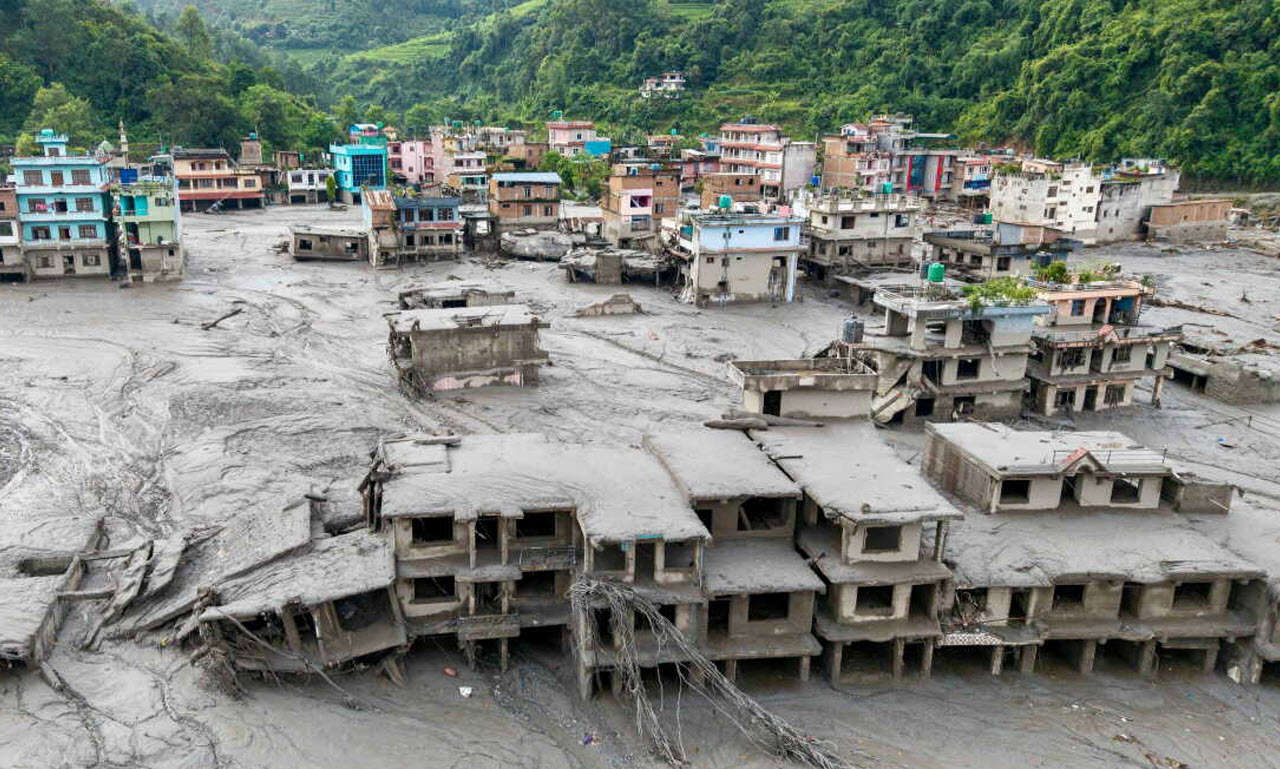
A nearby student hostel was instantly submerged under violent brown currents as the bazaar disappeared into the raging torrent.
The climb was punishing. “I could not walk fast, and my friends helped me to climb uphill. We tried our best to be in the safer zones then.”
They fled. “We escaped through a narrow ladder from the back side of the school. Within no time, the bazaar was swept away in front of my eyes.”
Mud made paths slick. “If there was no grip in my shoes, I would have fallen, and students and other people were jostling each other to reach the safer area while escaping.”
Those who took the wrong routes were lost to the river. “The people who choose to escape from another route were apparently swept away.”
A functioning network of mountain sirens could have warned thousands of helpless families before the river valleys went dark.
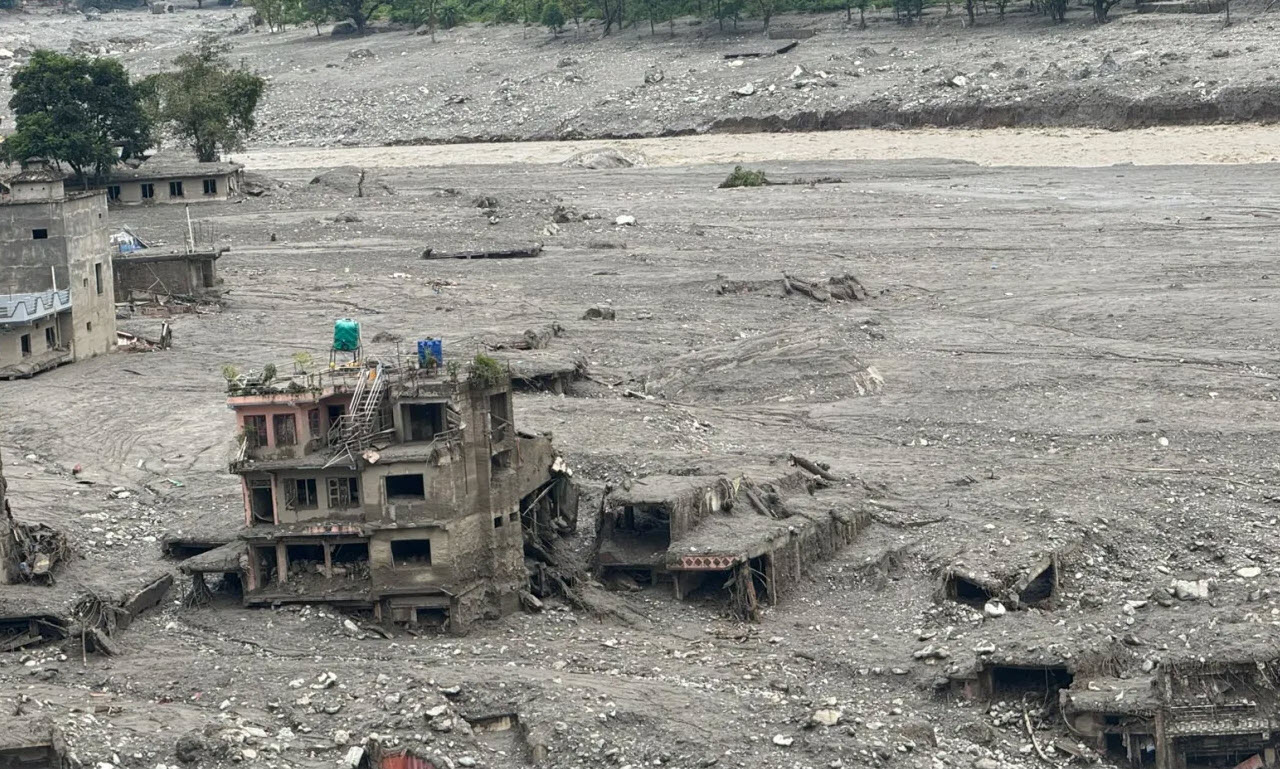
Across Nepal, over seven hundred died, yet Dawadi led his nine hundred students to safety before helicopters airlifted them from the ridges.
He recalled the escape. “If we didn’t make a quick decision, if it was 10 minutes later, we all, including the students and me, wouldn’t be able to speak to you today.”
Relief washed over Dawadi as he stood surrounded by his surviving students. “I feel proud that we saved so many lives.”
Now Dawadi is urging national leaders to build proper warning sirens and broadcast alerts before another glacial lake collapses.
He remembered the bell. “Had I decided to close the school after the period, nothing might be left, only the bell would be ringing at 9:30.”
