
Two famous actors walked straight into a brutal public clash that studio executives never wanted the entertainment world to see.
The entertainment industry runs on silence during major buyouts. Powerful executives control the cash. Creative artists almost never risk confronting the billionaire investors who fund massive studio takeovers.
A massive corporate acquisition was turning into an open cultural war.
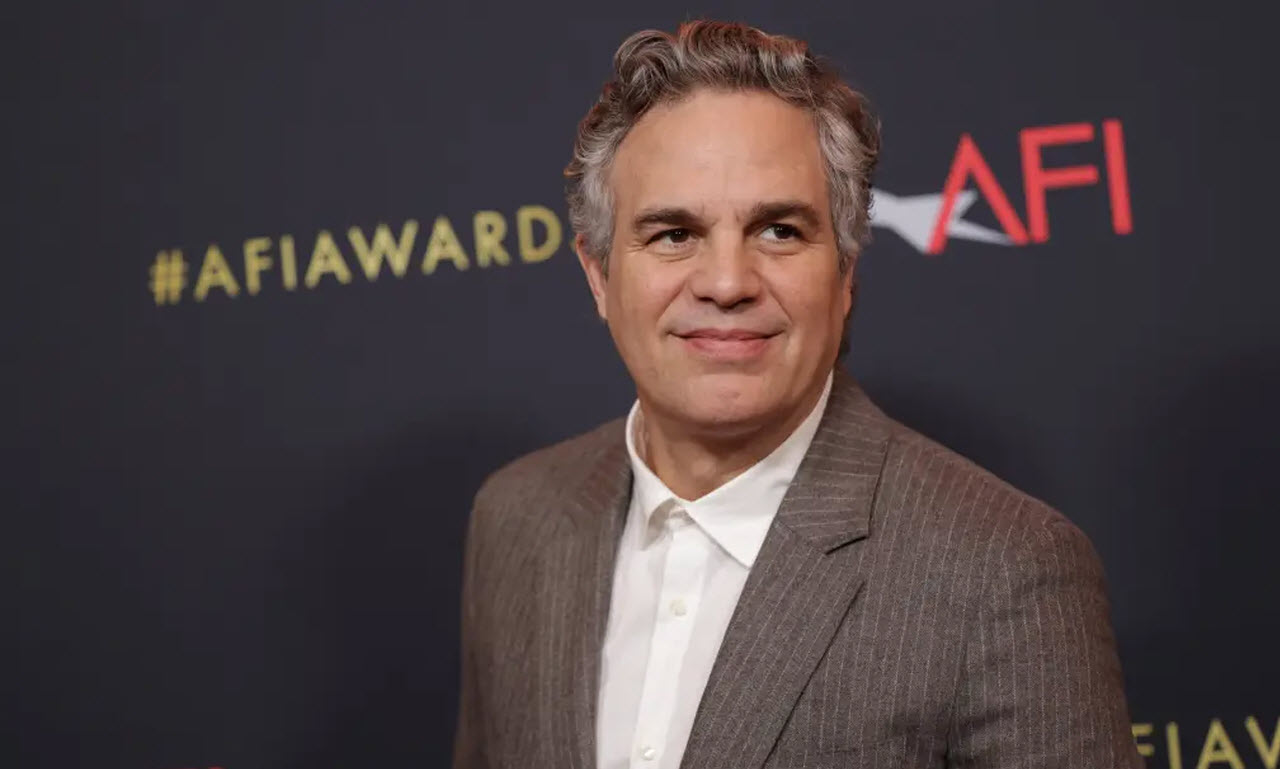
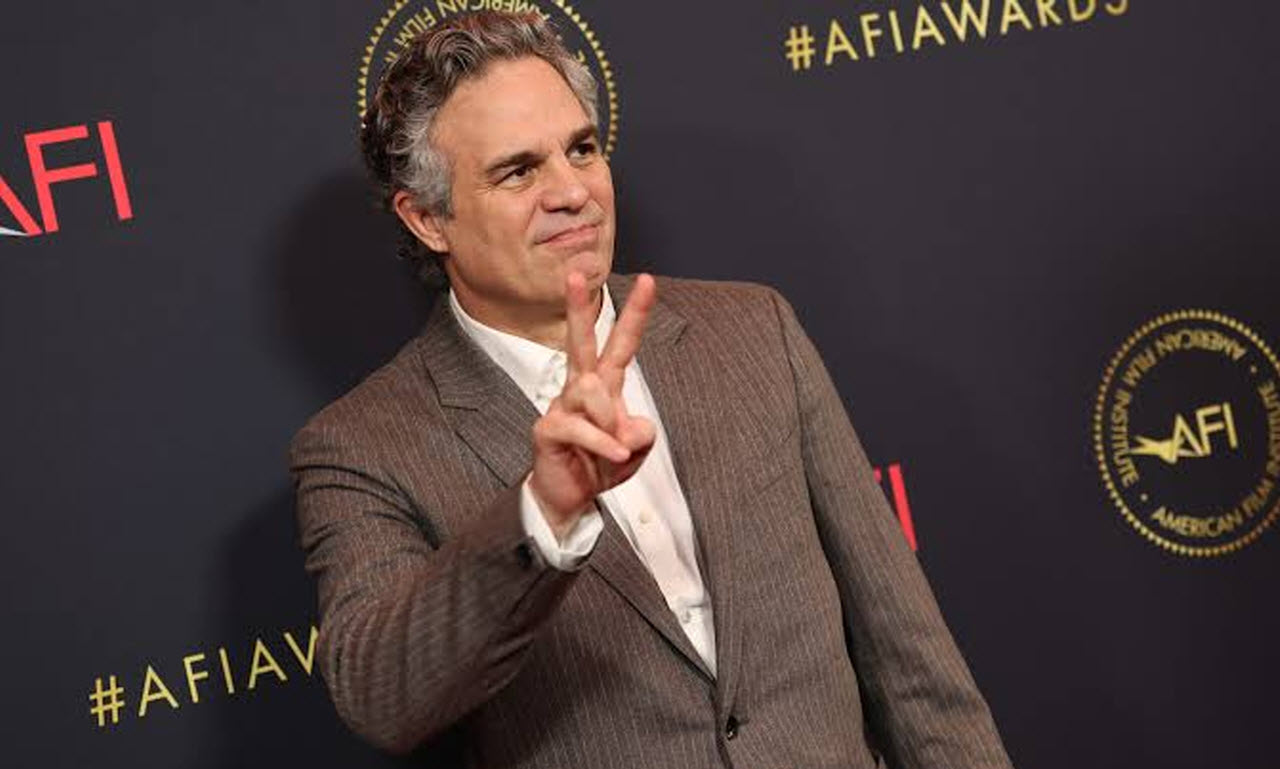
Mark Ruffalo broke the silence by publicly questioning the planned merger between Paramount and Warner Bros Discovery.
The controversial deal carried a massive valuation of one hundred eleven billion dollars. Skydance leader David Ellison led the bid. Ruffalo quickly turned his attention toward David’s billionaire father Larry.
He alleged that Larry Ellison used Oracle software contracts with the Israeli military to help finance the buyout. That outspoken accusation ignited a storm.
The studio leadership prepared a devastating public response.
Paramount executives issued a scathing statement calling his remarks “a bridge too far.” They accused the actor of invoking “antisemitic tropes in purported service of a business dispute.”
Such severe accusations can destroy an acting career overnight, but the Marvel star refused to back down or apologize.
Ruffalo launched an immediate counterattack online. He flatly rejected the studio narrative. He urged fans and regulators to separate necessary corporate scrutiny from accusations of ethnic bigotry.
The outspoken actor refused to bow to corporate pressure.
“The accusation that I am antisemitic is appalling and fundamentally dishonest,” Ruffalo wrote in his public response.
“Criticizing the actions of the Israeli prime minister, a military technology contract, or the executives who supply it is not the same as criticizing the Jewish people,” he stated.
“This critical and necessary dialogue is then dishonestly framed as being anti-Israel,” the actor noted in his message.
The personal defense addressed the accusations head on.
“To be clear, my views come from my own political convictions and should never be interpreted as hostility toward Jewish people, for whom I have deep love and respect.”
“Everything I know about acting, activism, and humanism has been profoundly shaped by the Jewish friends, colleagues, and loved ones who have been integral and family throughout every point of my life.”
“This merger has real consequences for real people, and for the entire country,” Ruffalo declared about the media acquisition.
The debate expanded far beyond a single film studio.
“Scrutinizing the Ellisons, including Oracle’s business built on data, surveillance technology and government contracts, and the serious threat to editorial freedom, and the loss of a livelihood for thousands of families, is fair and necessary.
“Until regulators give the public a real answer, the merger shouldn’t move forward. Now is the time to dive boldly into all these issues, not step back or concede.”
Another Hollywood veteran stepped into the public ring.
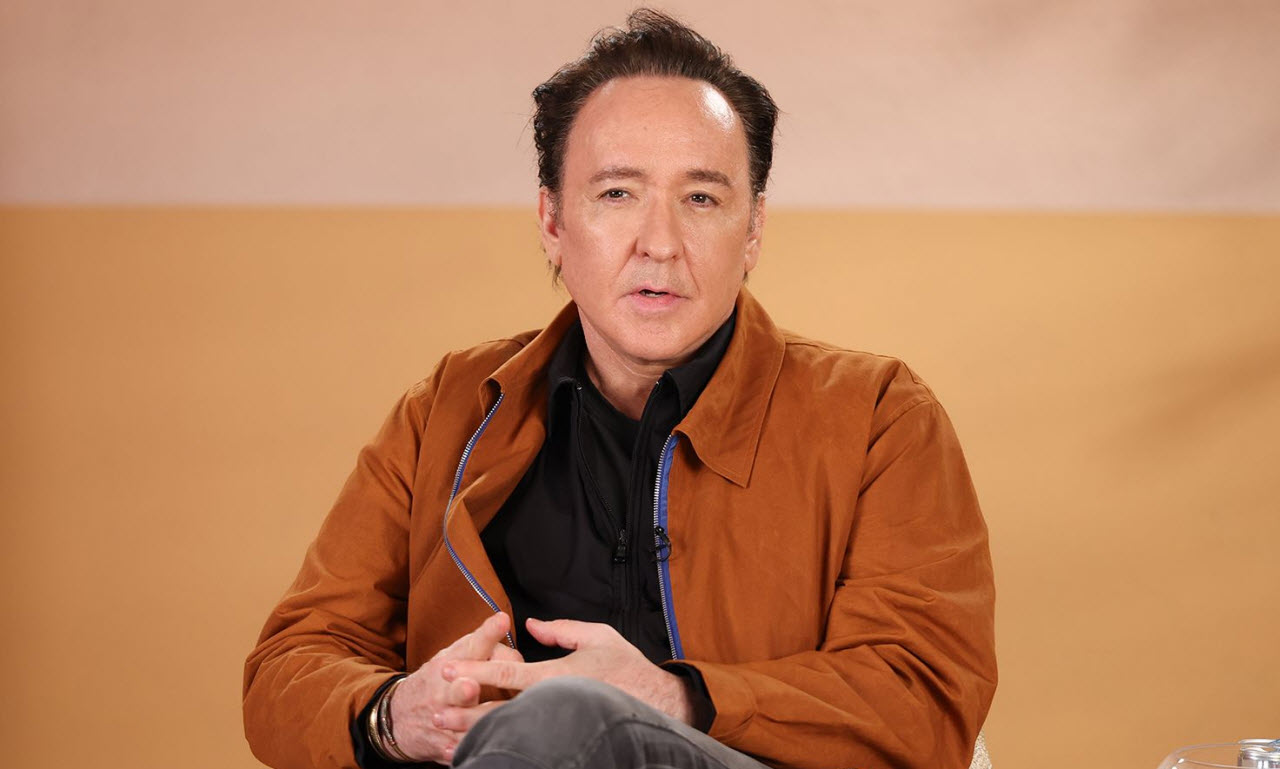
John Cusack watched the explosive dispute unfold across social media. He quickly chose to stand alongside his embattled colleague.
Cusack is famous for his strong political opinions. He shared Ruffalo’s entire rebuttal with his broad audience. He wanted the public to see the complete statement without corporate media spin.
Standing firmly behind his peer, Cusack added his own endorsement by posting, “Solidarity, well said,” to confirm his total support.
The sudden alliance changed the entire momentum of the dispute.
Their unified stance sent shockwaves through the studio system. Creative artists rarely challenge corporate power so openly.
The conflict reflects widespread anxiety across the film industry. Studios face growing unrest from labor unions and creative talent. Corporate giants continue to struggle over political speech and censorship.
Both veteran performers showed that high-profile figures can withstand coordinated corporate pushback and inspire fellow artists.
When massive conglomerates attempt to silence vital public debates, collective solidarity always remains the most powerful defense for creative expression.
