
Neighbors thought the house on the corner was peaceful with no loud crashes or sirens. But behind closed doors, a silent erosion happened daily. A child learned her voice did not matter and her safety was conditional.
Years passed, and that child grew into an adult who looked put together. People saw a successful professional, not the invisible weight. UK data shows one in eleven adults carried these scars before turning sixteen.

Online communities became a safe haven where survivors spoke up. One recalled the constant paranoia of abandonment, while another shared the physical nausea of a tense room. These are hardwired survival mechanisms.
The human brain literally reshapes itself to survive a toxic home. Neuroscientists found lasting differences in areas controlling stress. Weaponized silence forces the nervous system into a permanent high alert.
This devastating cycle does not simply vanish on your eighteenth birthday. The shame and fear follow survivors into careers and relationships. It is the lasting tax of growing up without an emotional safety net.
The tramua can affect us in different ways. Here are 12 common issues.
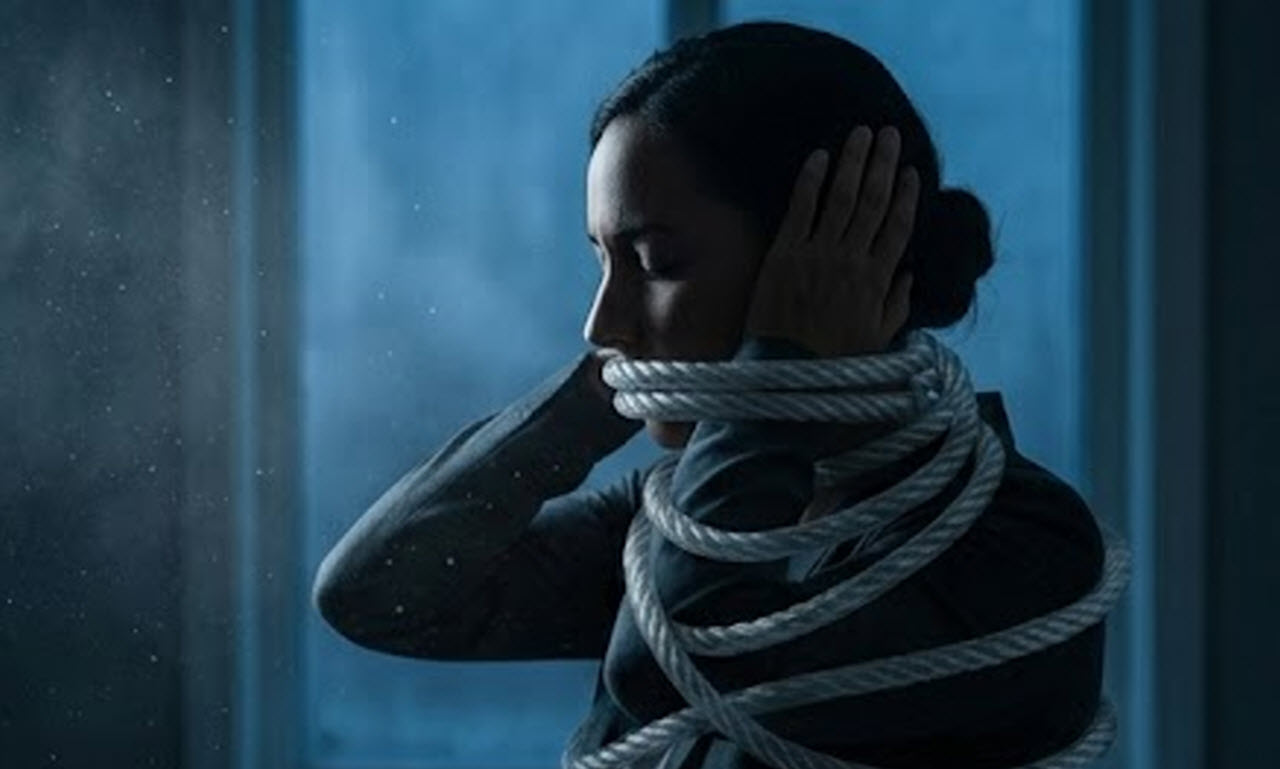
1. Living with personality struggles
Trauma alters childhood brain development, specifically damaging areas that manage stress and impulses. This structural change leaves adult survivors highly vulnerable to severe personality and mental health struggles.
2. Carrying chronic anxiety and deep depression
Forcing a child to lock feelings inside directly spikes the risk of lifelong depression. Many survivors struggle immensely with daily anxiety, eventually turning to substances just to numb the loud internal noise.
3. Apologizing constantly for things outside your control
Believing every delayed text or mood shift is your fault is a massive red flag. Survivors grew up in volatile households where they were blamed for everything, using constant apologies as a shield against outbursts.

4. Navigating life with a broken sense of identity
When parents smother a child’s natural interests, that child never discovers who they are. They enter adulthood feeling like a completely hollow shell, changing their personality just to survive specific moments.
5. Harboring an intense terror of confrontation
Loud noises and aggressive tones send survivors into sudden panic. Their brains completely associate friction with danger, meaning they will happily sacrifice their own basic needs just to keep the peace.
6. Being brutally unforgiving toward yourself
Growing up under constant criticism teaches you to become your own worst critic. The fear of making a mistake causes adults to beat themselves up for days, instinctively taking blame for things they cannot control.
7. Building massive walls due to trust issues
Believing it is unsafe to rely on humans is a natural byproduct of early abuse. When parents prove completely untrustworthy, your brain decides that isolating yourself from others is the only way to stay alive.
8. Becoming completely emotionally unavailable to others
Adopting a cold, defensive attitude is just a desperate barrier against pain. Dismissed children learn to shut down their emotions entirely, making true adult intimacy feel like an incredibly dangerous trap.

9. Fearing the repetition of the toxic cycle
Many survivors express a deep terror of becoming parents because they fear breaking their own future children. Survival habits learned early can cause adults to accidentally withhold affection or use silence.
10. Utilizing underdeveloped coping mechanisms
Parents are supposed to teach children how to self-soothe. Without that early guidance, adults struggle to regulate internal rage and often turn to binge eating or alcohol to manage their deep emotional pain.
11. Pushing away genuine offers of love
When childhood love always comes with strings attached, adult affection feels like manipulation. Survivors find it almost impossible to trust unconditional closeness, so they hide away to avoid being vulnerable.
12. Refusing to accept moments of pure joy
Feeling like you always do things wrong makes it impossible to enjoy success. Joy feels entirely foreign to an abused child, leaving adults to spend every single happy moment waiting for the other shoe to drop.
The journey toward recovery is never straight. Your brain practiced these twelve survival habits for decades to protect you. Unlearning them takes real patience. Healing is ultimately your responsibility.
You are no longer trapped in the environment that broke you. The traits that feel like broken pieces today were actually your shields. Bringing them to light dissolves their power.
Recognizing these struggles is the first step toward freedom. Shared vulnerability breaks the isolation. You are entirely worthy of a life free from the conditional strings of the past.
