
Mumford & Sons have played massive stages all over the world, but one appearance at the New Orleans Jazz Fest created the kind of moment that keeps spreading long after the lights go down.
And, what started as a familiar cover of “House Of The Rising Sun” quickly became something much bigger than anyone in the crowd expected.
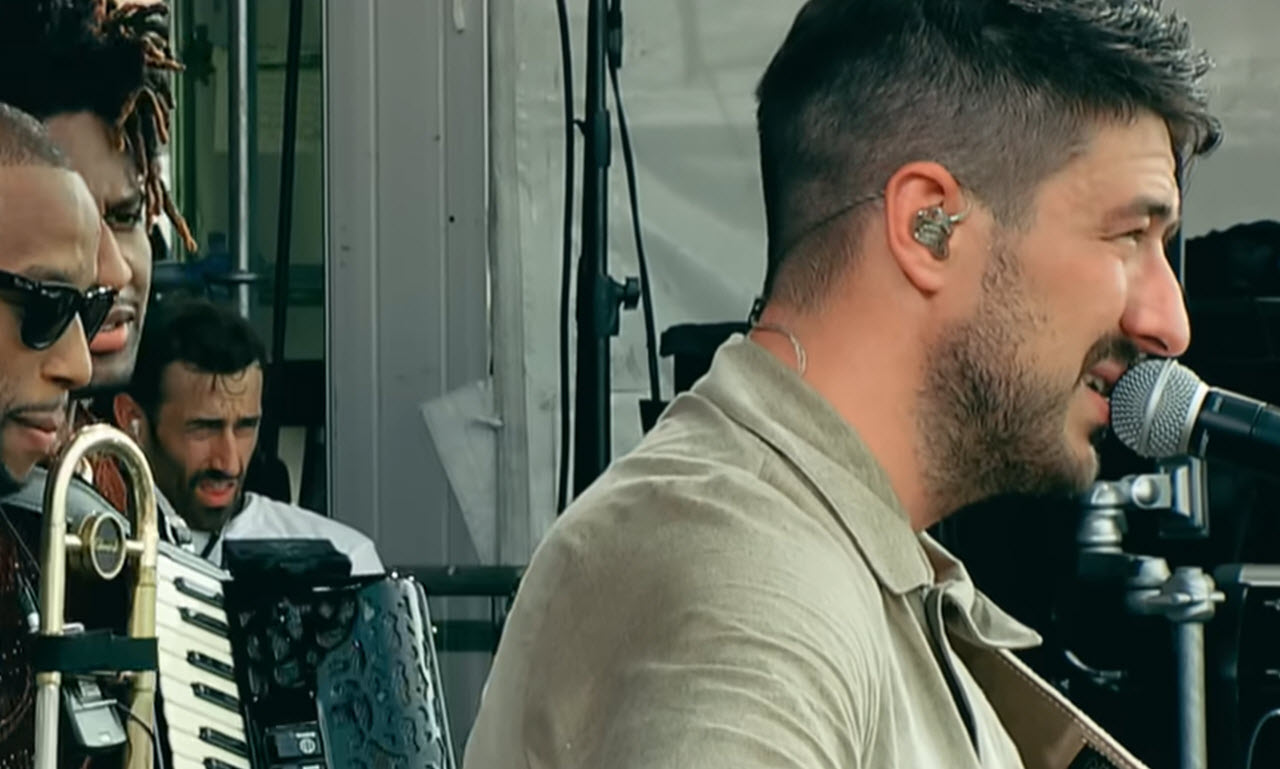
Before a single verse began, Marcus Mumford stepped forward and introduced two special guests. New Orleans trombonist Trombone Shorty, also known as Troy Andrews, and multi-instrumentalist Jon Batiste joined the band onstage.
The audience knew the song, but they did not know where this version was heading.
Marcus opened alone with a gentle acoustic approach. His voice carried the famous lyrics with a restrained and thoughtful style that felt closer to a folk ballad than a rock anthem.
And, almost immediately, Trombone Shorty began threading jazz phrases between the verses. The trombone lines floated around the melody, adding color and movement without overwhelming the song itself.
Most performers attack this classic with maximum force from the beginning. Marcus chose a different route. He leaned into patience, building tension slowly while letting each musician carve out space.
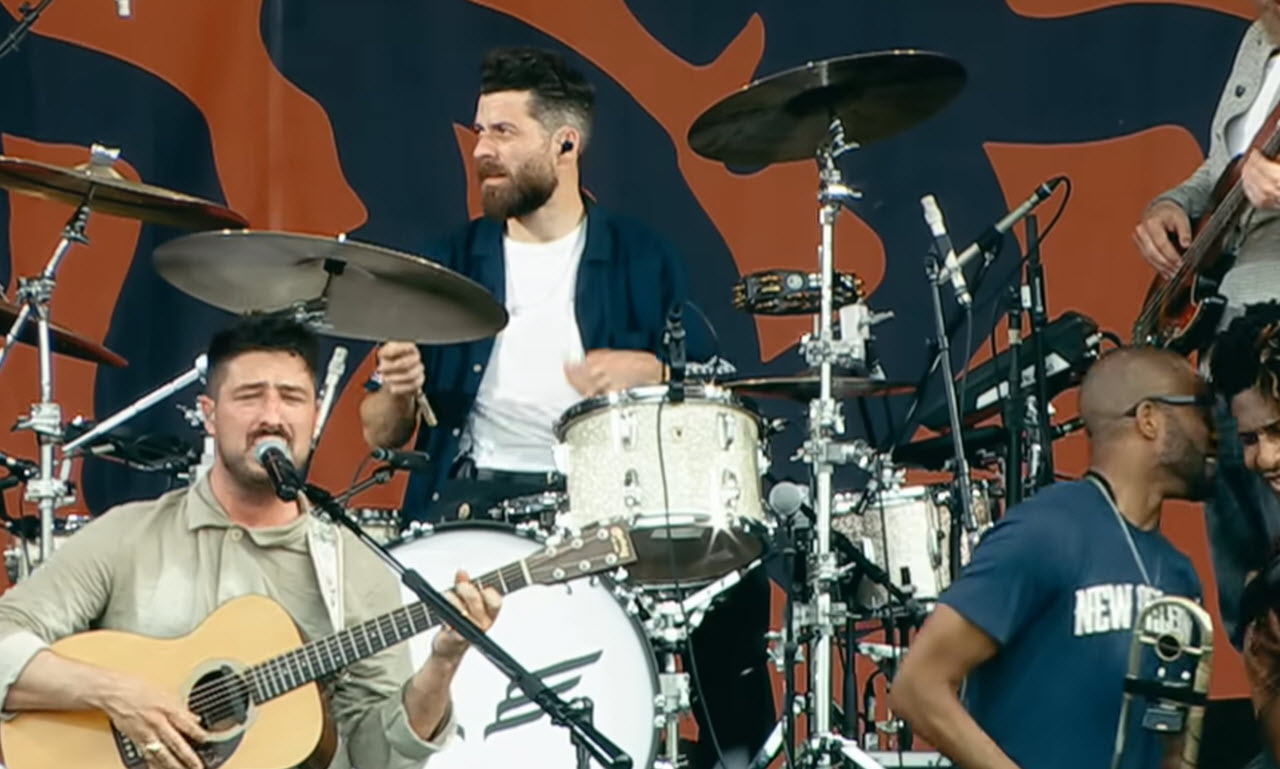
The song kept revealing new layers with every passing minute.
As the arrangement expanded, the balance between folk and jazz became impossible to ignore. Quiet moments gave way to powerful bursts of energy, then settled back into softer passages that kept the crowd locked in.
And, that careful rise and fall became one of the performance’s greatest strengths. Instead of chasing constant volume, the musicians trusted the song’s natural momentum.
Even with Marcus delivering strong vocal passages, many eyes drifted toward Trombone Shorty. His solos seemed effortless.
One moment he was unleashing rapid runs across his instrument, the next he was casually looking around the stage as if nothing remarkable had happened.
Every solo seemed to raise the stakes for the next musician.
Then Jon Batiste stepped into the spotlight. Taking a melodica in hand, he delivered an expressive solo that pushed the performance into another direction entirely.
His contribution added yet another texture to a song already overflowing with personality. For a brief moment, it felt as though the performance had reached its peak.
But the surprises were not finished.
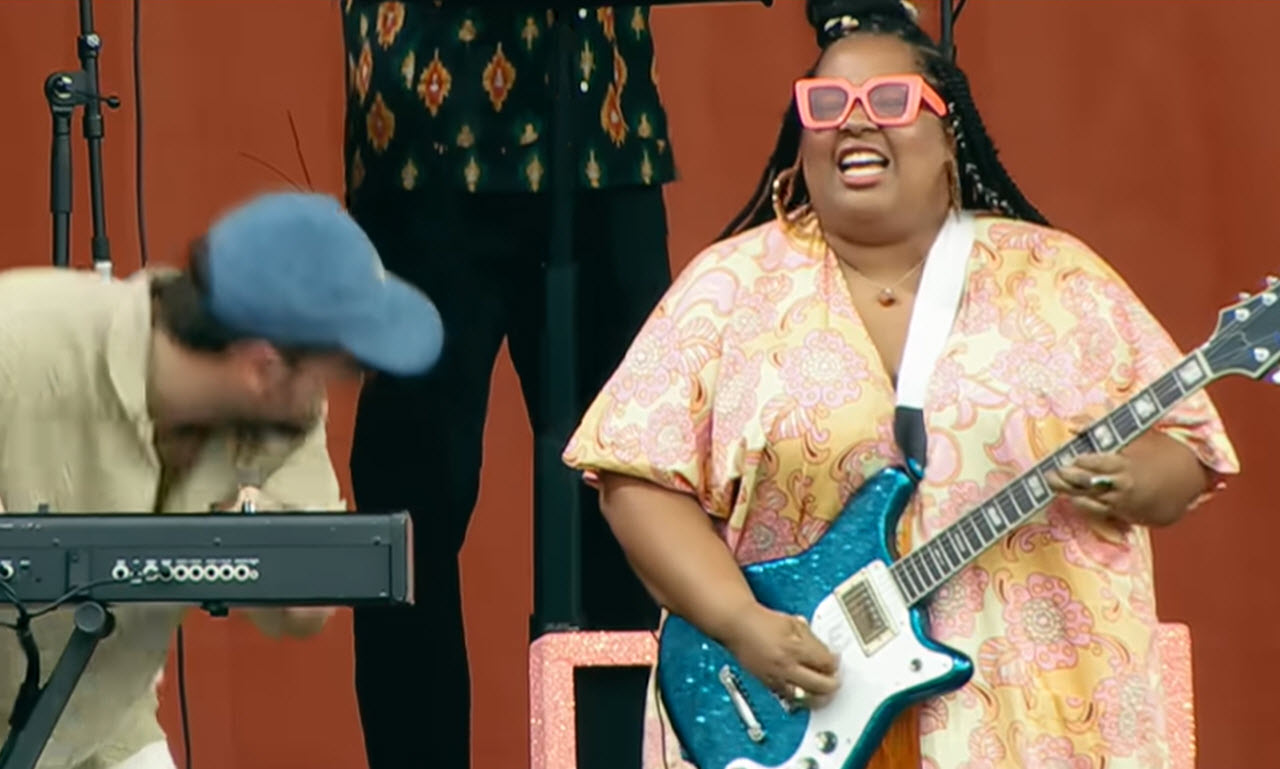
As Trombone Shorty returned to his groove, another figure emerged. US guitarist Clarisse stepped onto the stage wearing tangerine shades and carrying a blue glittered guitar.
The reaction was immediate.
Clarisse launched into a blistering guitar solo that cut through the arrangement with rock star confidence. The appearance transformed the mood once again, adding a fresh burst of excitement to a performance already packed with standout moments.
And, suddenly, a song that had begun with acoustic restraint was roaring forward through a mix of folk, jazz, blues, and rock influences.
Mumford & Sons have often faced criticism from listeners who never connected with their brand of acoustic folk pop rock. Yet performances like this explain why the group continues to attract devoted audiences.
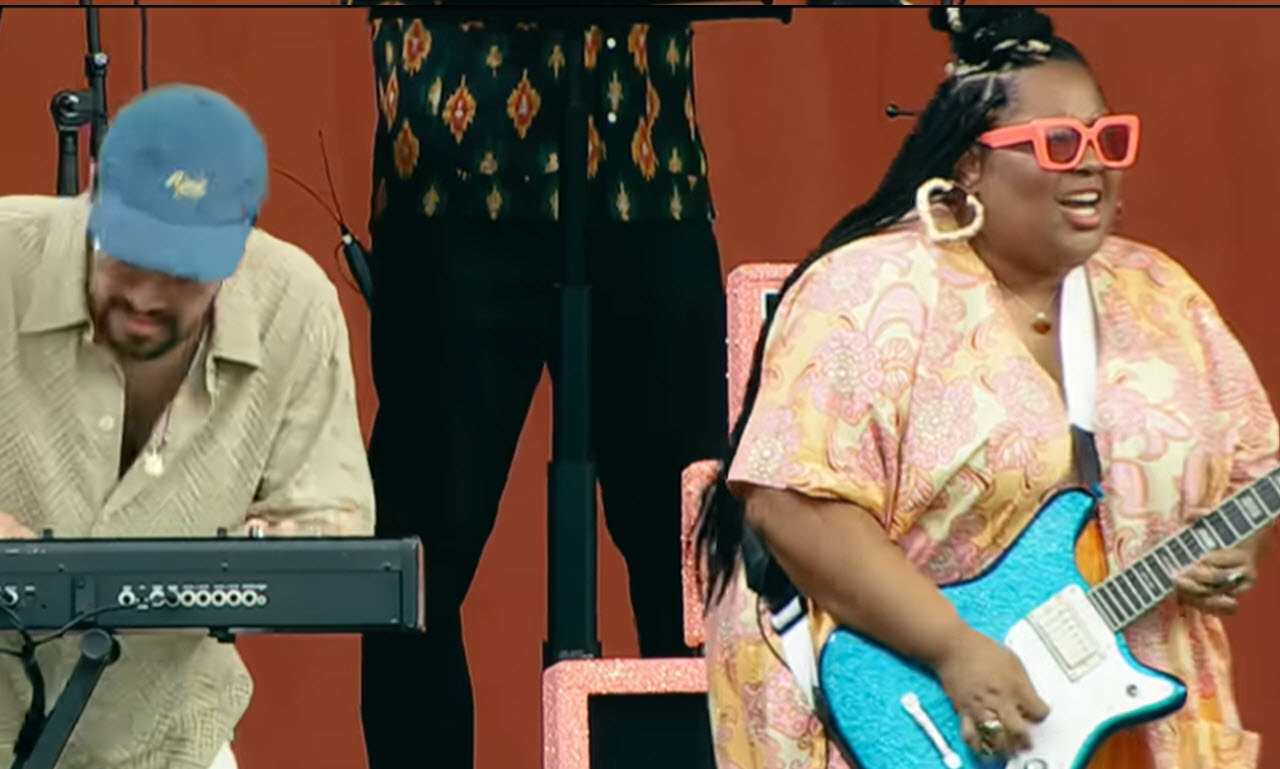
One viewer summed up the reaction with a blunt comment, saying, “What in the f*** did I just watch?!! This is one of the best live performances I think I’ve ever seen. No smoke. No mirrors. Just good music and talented musicians.”
By the final moments, the performance felt less like a cover and more like a celebration of musicianship itself. Each player found a way to leave a mark, and together they transformed a familiar classic into something that audiences are still talking about years later.
