
Democratic Representative Yassamin Ansari is pushing a proposal that has quickly become one of the most talked-about healthcare ideas in Washington. And it began with something millions experience, but few openly discuss.
The proposal is called the H.E.R. Agenda, short for Health, Equity, Rights. It is designed to address long-standing gaps in women’s healthcare, workplace protections, pain management, and reproductive health access.
But the debate reaches far beyond politics.
Ansari, the youngest woman serving in Congress, did not present the issue as an abstract policy discussion. She connected it to years of personal pain that she says shaped her daily life and professional career.
Every month carried the same question.
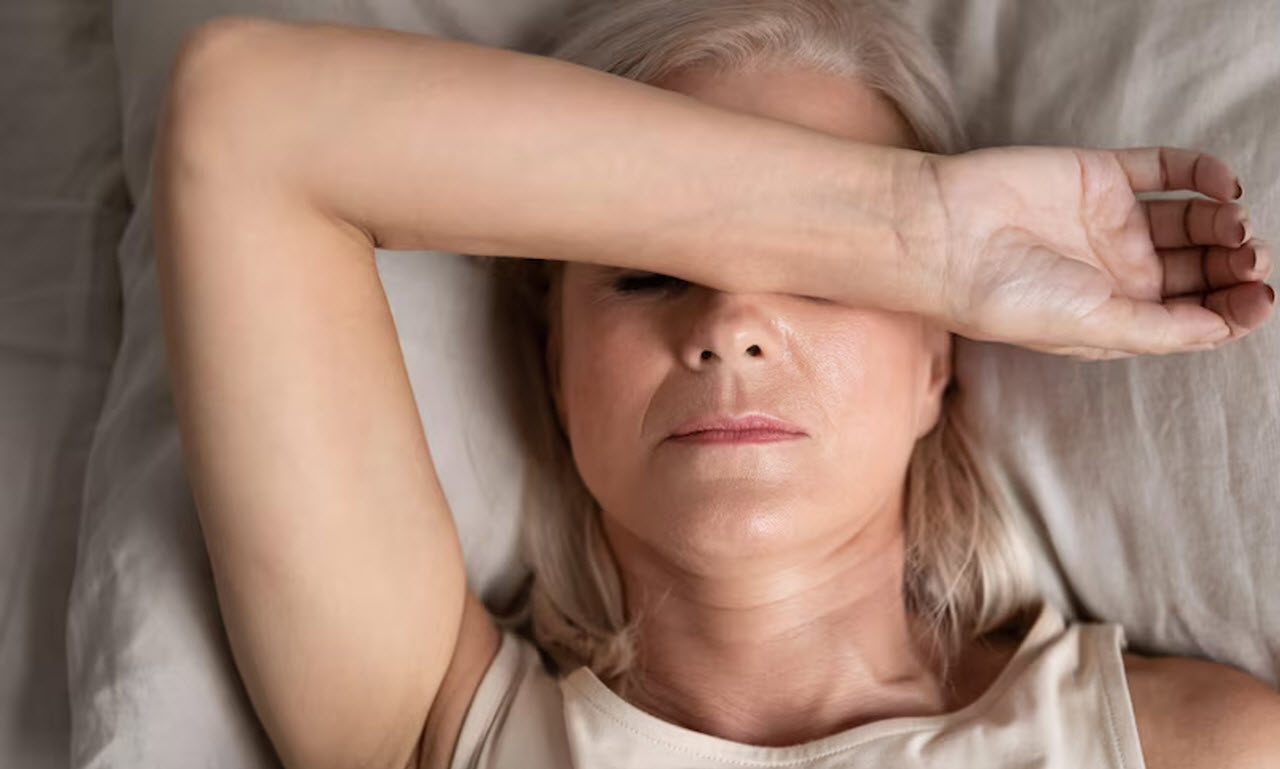
In a recent essay, Ansari described suffering from severe period pain. She wrote that she had passed out because of it. She recalled taking large amounts of ibuprofen while still ending up in tears from the pain.
She described moments spent on a bathroom floor, curled up and crying, before putting on a blazer and reporting to work anyway. For her, the experience represented a problem generations had quietly endured.
And that personal story became the foundation of a larger legislative effort.
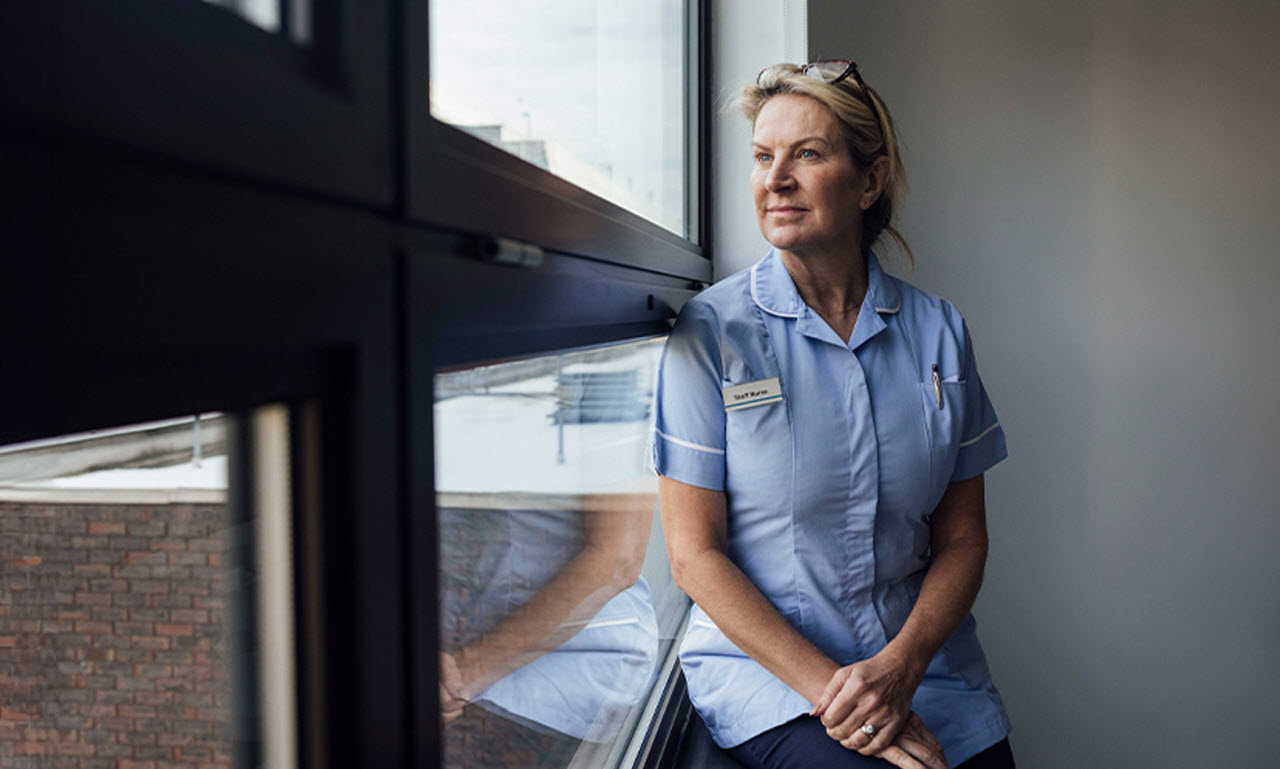
One part of the package, the Reproductive Healthcare Leave Act, would provide up to 12 days of paid leave each year for reproductive health conditions and procedures.
The leave could cover menstrual pain, menopause symptoms, endometriosis treatment, fertility care, abortion related services, IUD procedures, and vasectomies.
The proposal is not limited to women.
Ansari has emphasized that the benefits could also apply to men undergoing reproductive health procedures or treatments. The goal is to allow workers to address medical needs without sacrificing income or exhausting limited sick leave.
The numbers help explain why supporters believe the issue deserves attention.
A study from 2019 found that nearly 14 percent of women missed work during menstruation. More than 80 percent reported working while struggling with symptoms that reduced productivity.
Research on menopause has also found significant effects on workplace performance, with many individuals requiring sick leave.
But leave is only one piece of the agenda.
Another proposal would require federal health officials to identify barriers to effective pain management during gynecological procedures. The review would examine experiences involving procedures such as IUD insertions, biopsies, and cancer screenings.

A different measure focuses on Premenstrual Dysphoric Disorder, commonly known as PMDD.
The condition affects millions and can trigger severe depression, anxiety, irritability, and other serious symptoms. Supporters argue that awareness remains low and that many patients go undiagnosed or receive incorrect diagnoses.
The package also includes a resolution addressing bodily autonomy in women’s healthcare. It acknowledges a history of patients feeling dismissed or excluded from decisions about their own care and calls for greater emphasis on comfort, dignity, and informed choice.
Then the public response arrived.
On social media, many supporters described the proposal as overdue. Some shared personal stories involving endometriosis, surgeries, emergency room visits, and years of debilitating pain.
For some, the legislation represented practical help. For others, it symbolized recognition after years of feeling ignored by medical systems and workplaces alike.
The conversation quickly expanded beyond the United States.
Several countries already provide some form of menstrual leave. Spain introduced paid menstrual leave in 2023 for workers experiencing severe period pain. Indonesia allows up to two days of menstrual leave each month. Taiwan offers three days annually, while Zambia provides a monthly day off commonly known as Mother’s Day.

Other countries, including Japan and South Korea, recognize menstrual leave but do not always require employers to provide full pay.
When it comes to menopause leave, however, the picture changes. There is currently no widely recognized national law that grants paid menopause leave to all workers. Most support comes through workplace policies created by individual employers.
And that reality helps explain why the H.E.R. Agenda has attracted so much attention.
For supporters, it is not only about paid time off. It is about bringing experiences that were often hidden into public view and asking whether workplaces should adapt to realities that millions of people face every day.
