
Amelia Earhart was already a global aviation icon, known for breaking records and pushing limits long before her final and most mysterious flight.
Her journey toward becoming the first woman to fly around the world began with earlier milestones, including her historic solo Atlantic crossing and other pioneering flights that made her a household name.
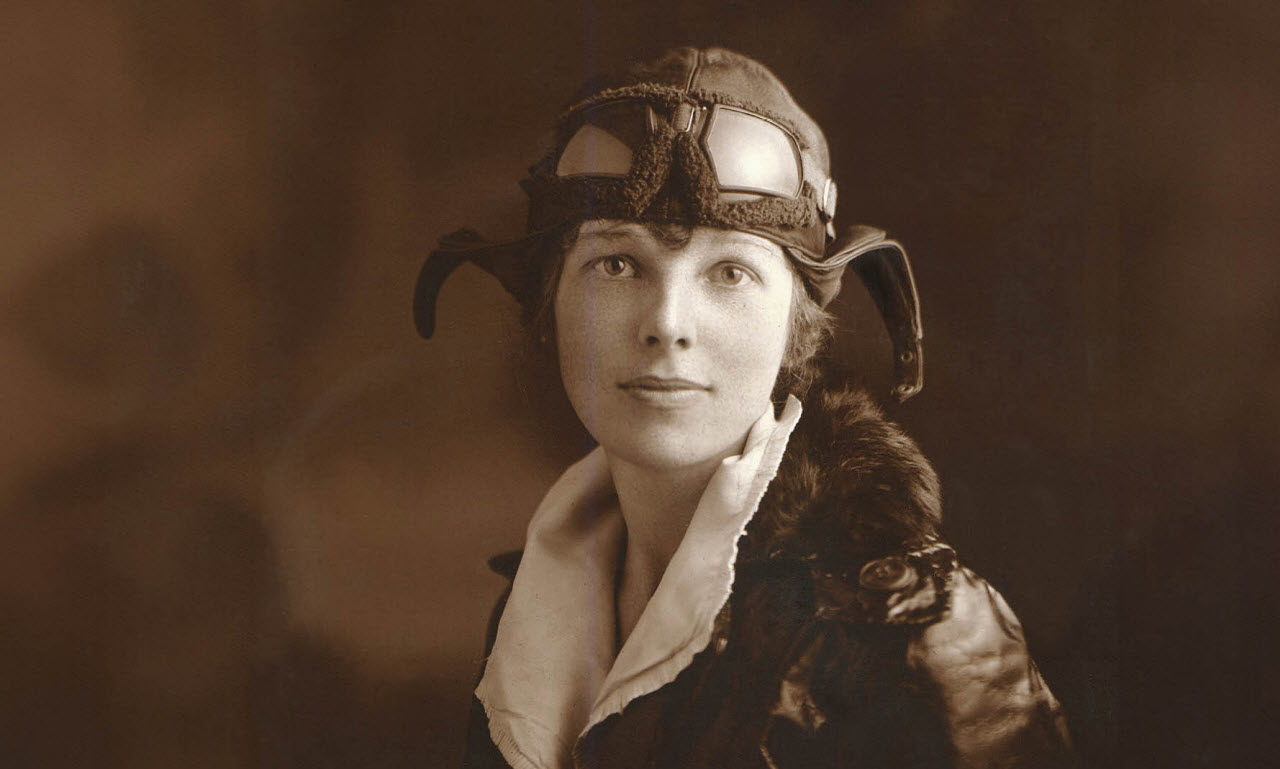
In 1937, she set out with navigator Fred Noonan on an ambitious round-the-world route that would take them across continents, oceans, and some of the most remote stretches of the Pacific.
But somewhere between Papua New Guinea and Howland Island, radio contact weakened, navigation became uncertain, and the aircraft disappeared without a trace over open ocean.
For decades after, the silence fueled endless theories about what happened to Earhart and Noonan, with no confirmed wreckage ever recovered.
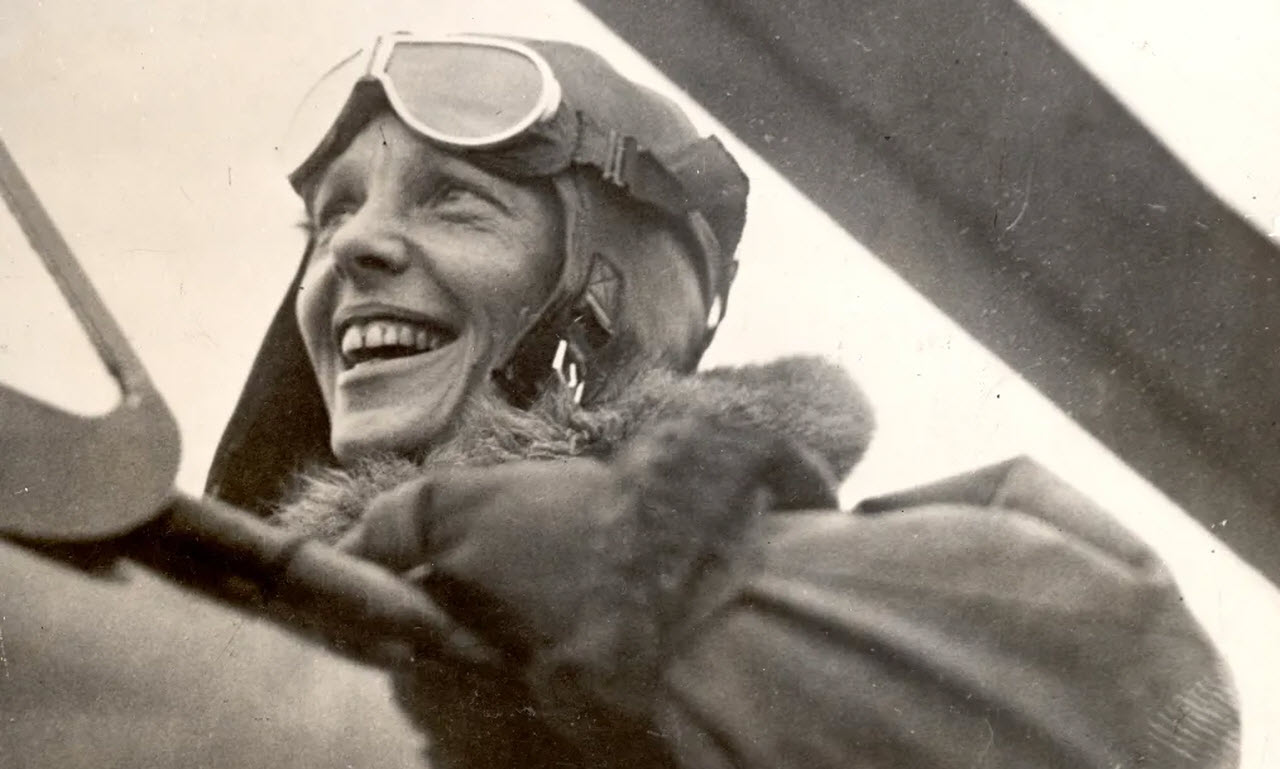
But the search continued.
The search for answers continued across generations, with ships, aircraft, and researchers combing vast areas of the Pacific, yet the mystery only deepened.
Some evidence began to point toward remote islands rather than deep ocean impact, especially clues linked to radio bearings and possible distress signals that seemed to converge near Nikumaroro.
Artifacts discovered later on the island, including items from the 1930s era, added more weight to theories that Earhart may have reached land after her final transmission. But none of it was definitive, and the case remained one of aviation history’s most enduring unresolved mysteries.
Then a new clue shifted attention again.
Born 125 years ago #Today, Amelia Earhart, was an aviation pioneer and the first woman to fly solo across the Atlantic Ocean https://t.co/ymlXxD0IaI pic.twitter.com/hwsj3Tg8IV
— Massimo (@Rainmaker1973) July 24, 2022
Researchers working with satellite imagery identified an unusual object in a lagoon near the shoreline of Nikumaroro, a remote island in Kiribati.
The object appeared stable across multiple images taken over many years, and its shape and proportions raised comparisons to parts of a Lockheed Model 10 Electra. This discovery became known as the Taraia Object, and it immediately drew attention from investigators working with Purdue University and the Archaeological Legacy Institute.
History was being rewritten.
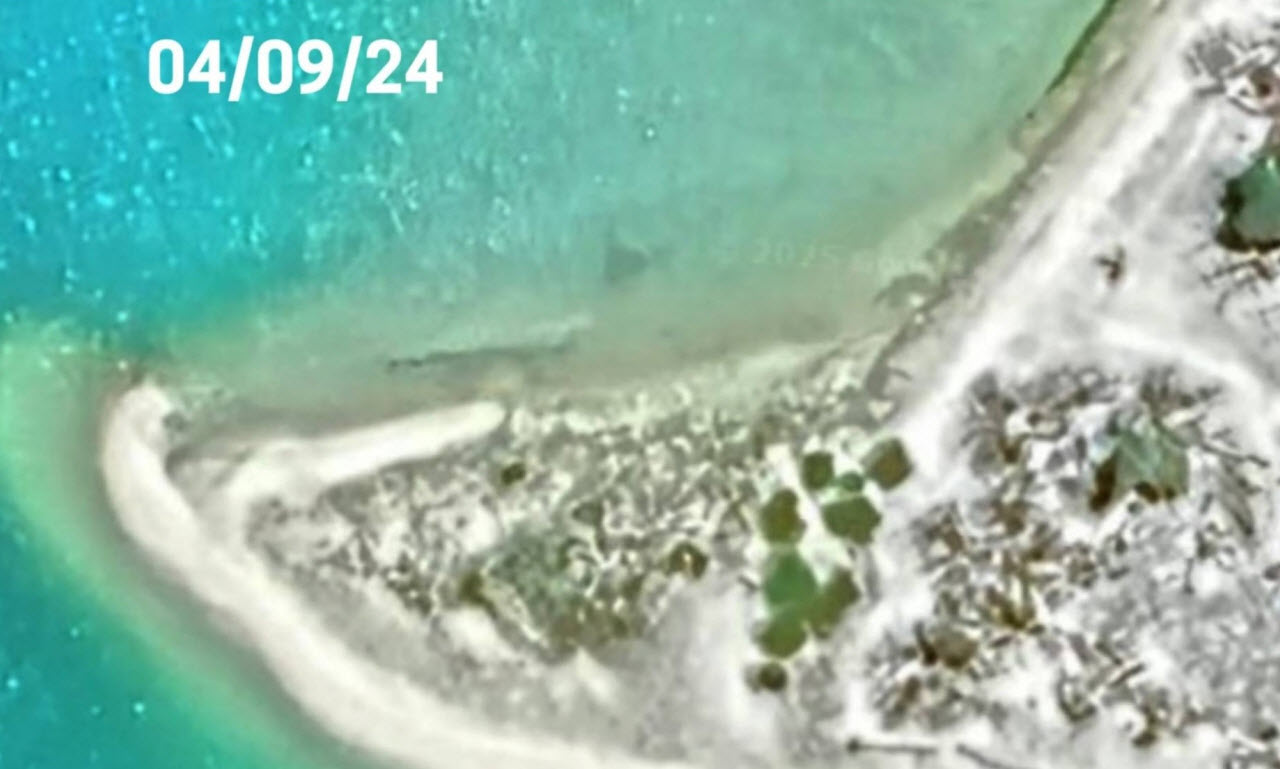
Supporters of the theory argue that the object aligns with other evidence collected over decades, including distress call analysis, historical photographs, and earlier expedition findings.
One of the most debated pieces of supporting evidence is the Bevington Object, a 1937 photograph anomaly that some believe shows landing gear from Earhart’s aircraft near the reef.
Additional reports from earlier forensic analysis of bones and artifacts recovered from the island have also been reexamined in light of new technology. Still, past expeditions have failed to confirm any wreckage, including major searches that explored the region without finding conclusive proof.
They never stopped looking.
Now, a new mission called the Taraia Object Expedition aims to physically investigate the site using modern underwater survey and archaeological methods.
Researchers plan a staged approach, beginning with detailed on site examination, followed by deeper excavation if early findings support the hypothesis.
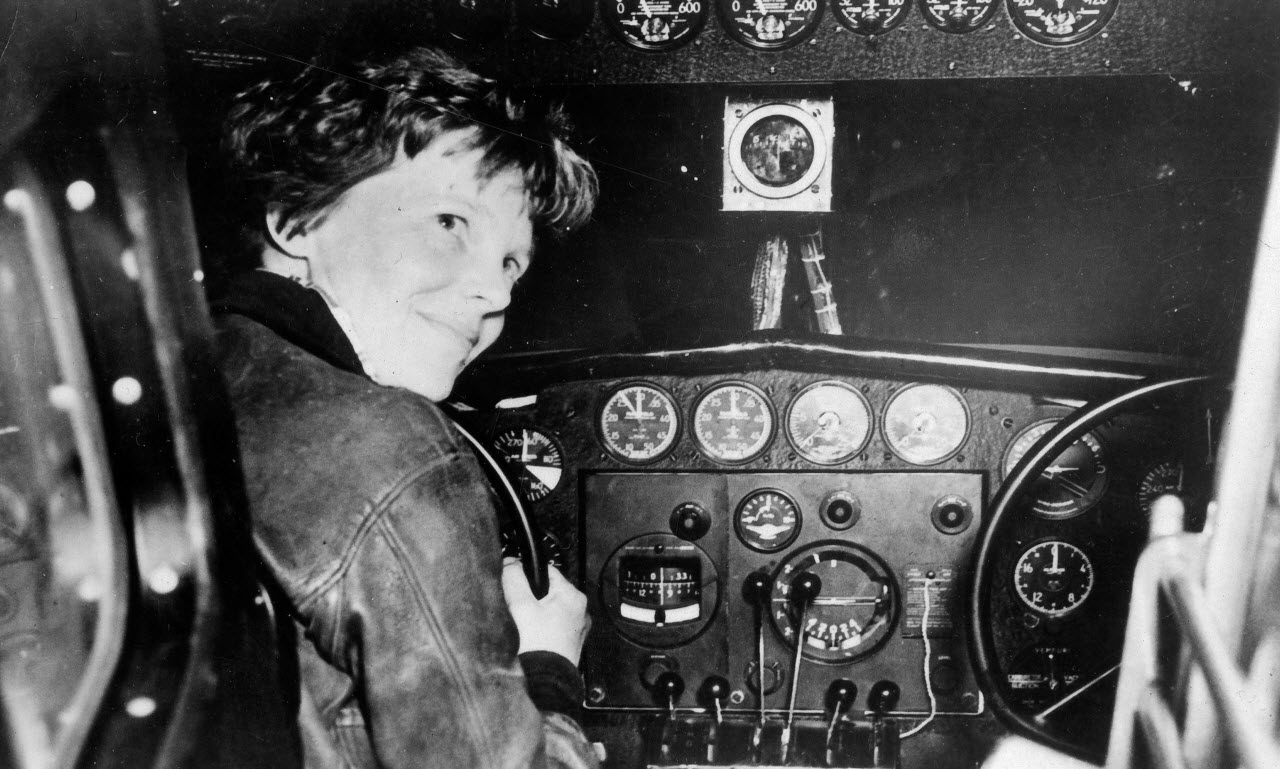
The team believes the object may represent the most promising physical lead yet in solving the disappearance.
But they also acknowledge that only direct examination will confirm whether the structure is truly part of Earhart’s Lockheed Electra or something unrelated entirely.
Earhart’s connection to Purdue University adds another layer of historical significance to the ongoing investigation, as the institution played a role in her later career plans.
Even after nearly nine decades, the disappearance remains unresolved, with competing theories still debated by historians, scientists, and explorers. Now, with new imaging data and renewed field efforts, investigators are once again closing in on a possible answer.
But until physical confirmation is made, the fate of Amelia Earhart and Fred Noonan remains one of aviation history’s most persistent unanswered questions.
