
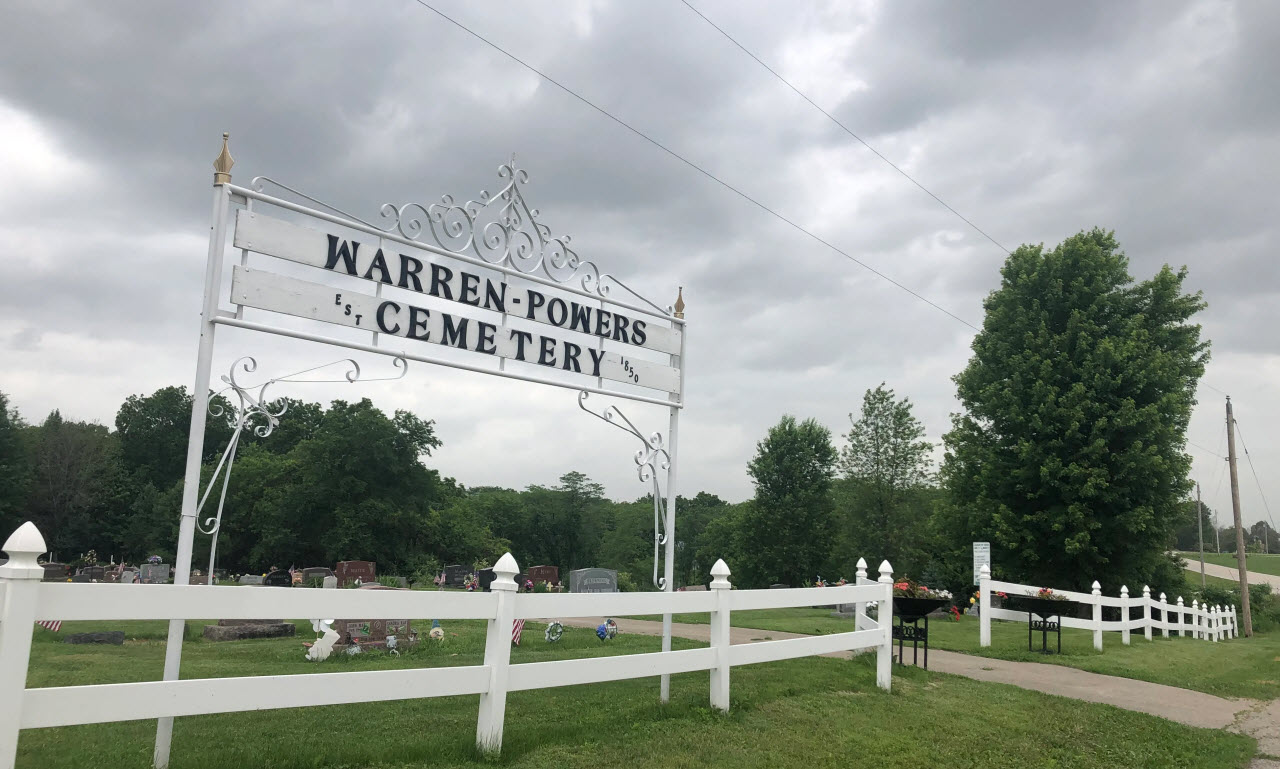
The afternoon sun hit the quiet grounds of Warren-Powers Cemetery just like any other day. Families walked the grass in Polk County, Iowa, looking for peace.
They passed the granite markers and the carved angels, searching for comfort in the silence. It was a place built for soft whispers and heavy tears. Nothing seemed out of the ordinary among the rows of the departed.
Then came the fall of 2021. Steven Paul Owens passed away on September 2, leaving a massive void in the lives of those who knew him. His obituary painted the picture of a vibrant soul.
He loved fishing, coached local kids, and adored his grandchildren. He had even worked at local cemeteries before retiring from the printing industry. He was a man with a sharp wit, someone who left a permanent impression.
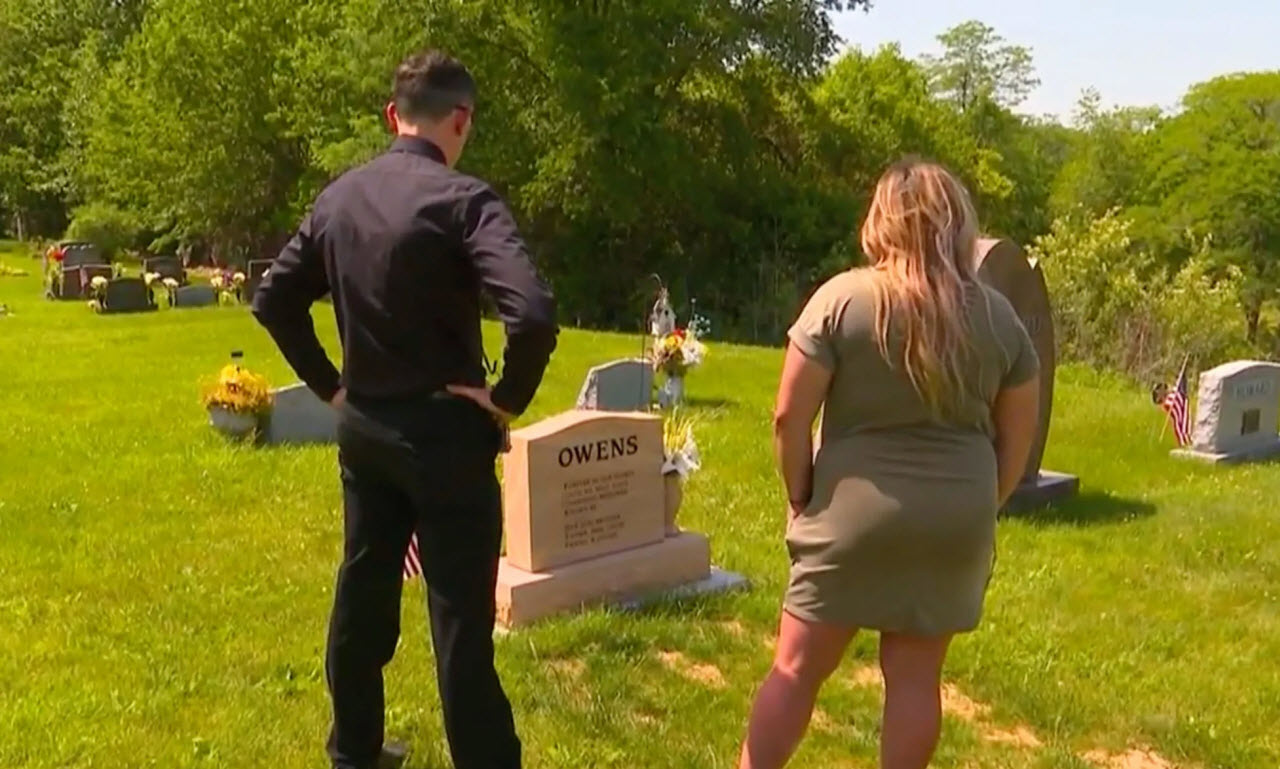
But his children refused to settle for a generic, cold goodbye. Lindsay and Zachary Owens wanted a monument that captured their father’s authentic spirit. They wanted his humor to live on in stone.
A cousin suggested a specific design, and the family instantly fell in love with the concept. To them, it was the ultimate inside joke.
A local monument company carved the stone and placed it on the lot. From the front, it looked like a standard memorial. It bore his name and a simple phrase about listening and feeling.
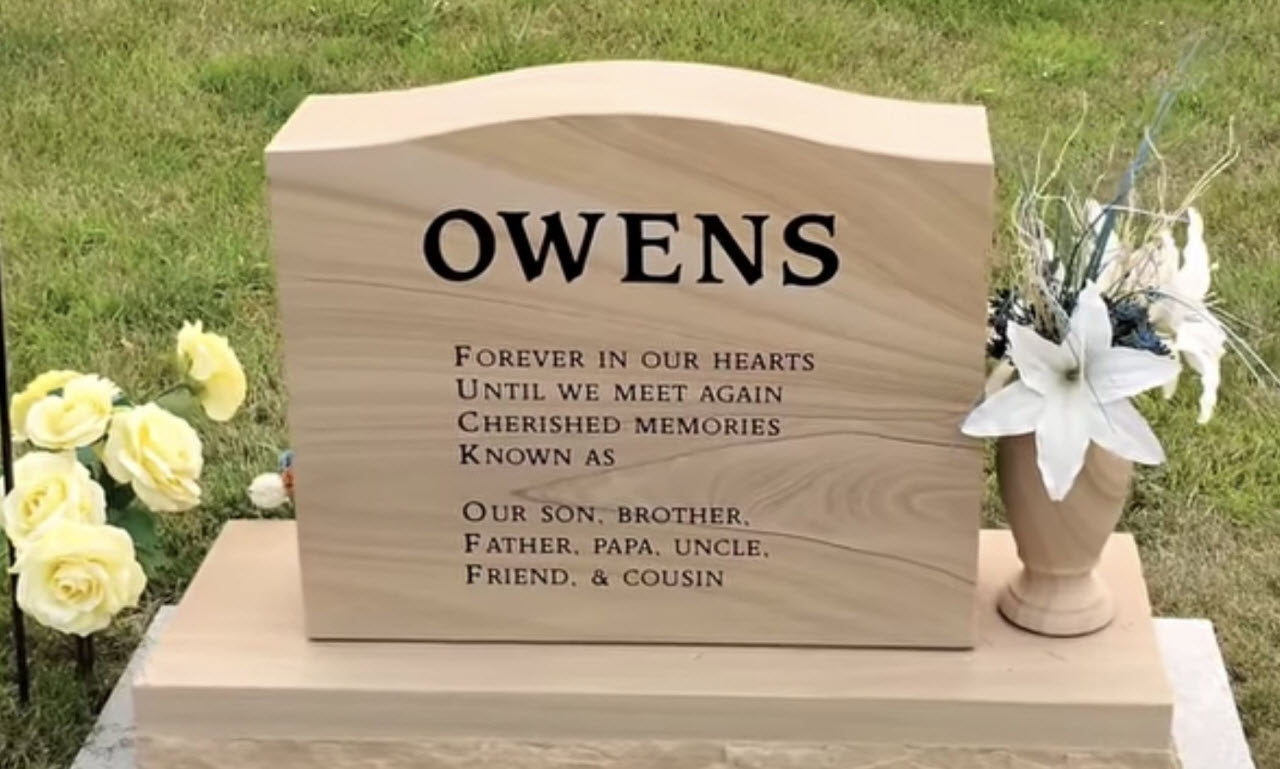
The back held a poetic, multi-line stanza dedicated to a son, brother, father, and papa. For months, passersby walked right past the inscription without a second thought. Then, someone looked closer at the structure of the poem.
The community quickly realized the lines were not just random poetry.
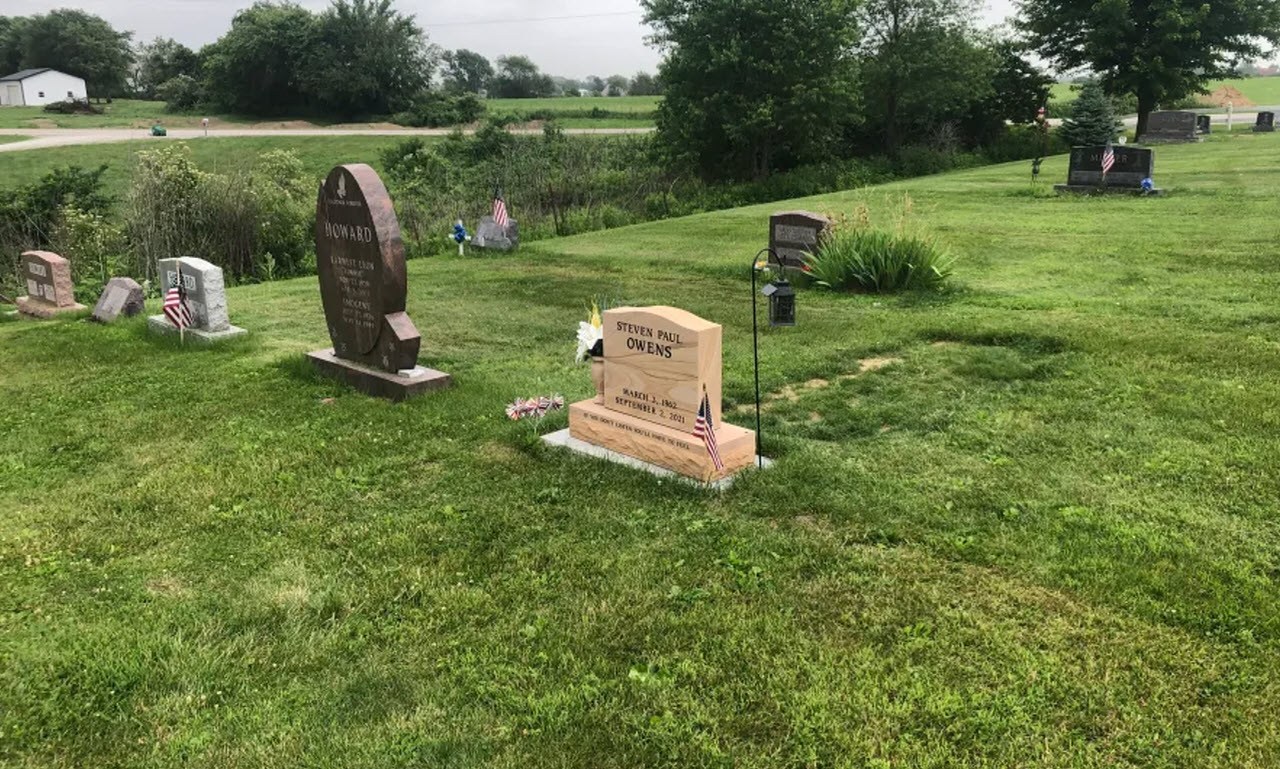
The peace of the cemetery shattered as the true nature of the monument went viral online. Camp Township Trustees, who oversee the grounds, grew furious.
They claimed they had explicitly warned the family and the monument company before the installation happened. They argued that a sacred public space had been compromised by a vulgar stunt.
Suddenly, a bitter war erupted between the grieving family and local officials. Trustees began consulting lawyers, desperate to find a legal avenue to force the removal of the monument.
They questioned whether anyone would want their own relatives resting next to such a message for eternity. To the town, a line had been crossed that threatened the dignity of every grave nearby.
The family felt the sting of the public backlash deeply. Lindsay defended the choice to local media, explaining that the phrase was actually her father’s ultimate term of endearment.
He was a man who played dumb and got fired up easily. If he told you where to go, it meant he loved you. Zachary publicly pleaded with the trustees, arguing that no one was forcing visitors to stand there and analyze the stone.
The letters held a permanent, hidden reality.
Years have passed since the controversy first erupted, yet the debate refuses to die. The internet continuously rediscovers the Iowa headstone, igniting fresh arguments over what is appropriate for a public cemetery.
Supporters view it as a beautiful, hilarious celebration of a real human life. Critics still call it an insult to the quiet sanctity of death.
Despite the intense legal threats and community anger, the monument still stands in the grass today. It remains an ordinary-looking tribute until you read the first letter of each consecutive line on the back.
Stacked vertically from top to bottom, the acrostic message spells out a blunt directive to the world: F*** OFF.
