
Disclaimer: This article is for informational purposes only and is not medical advice. Always consult a qualified healthcare professional regarding any medical concerns or treatment decisions.
Something is entirely different about the woods this spring. Emergency rooms from Maine to Minnesota are filling up with regular people.
They walked through their own backyards. They hiked a familiar local trail. They let their dog off the leash for a few minutes in the park. Then they came home with an unwanted passenger.
Doctors working the overnight shifts say they have seen surges before. But they have never seen anything quite like this. Not this early in the season. Not this widespread.
The numbers are not just slightly elevated. They are the highest they have been in nearly a decade. Federal health officials are not waiting until the peak of summer to sound the alarm.
The official warning has already gone out to the public. Whether most Americans have truly heard it is another question. For the tens of millions of people who love the outdoors, this is not an abstract public health story. It is a practical nightmare.
The Pennsylvania Tick Research Lab at East Stroudsburg University reports a massive 55% spike in ticks submitted for analysis this year compared to 2025.
That comes at a time when the CDC warns national emergency room visits for tick bites flew up more than 25% in April alone. In the Northeast, the surge is even more severe with emergency department visits jumping 40% compared to last spring.
The tiny creatures are surviving the winter in massive numbers.
In the Northeast and Upper Midwest, the blacklegged deer tick is dominating the brush. This species transmits anaplasmosis, babesiosis, hard tick relapsing fever, Powassan virus, and Lyme disease.
Connecticut is already seeing significant activity. The Connecticut Agricultural Experiment Station receives an average of 30 tick submissions every day. Greater than 40% of them test positive for Lyme disease spirochetes.
Epidemiologist Jasmine Kennedy with the Alabama Department of Public Health reports that more than 200 Alabamians have visited the emergency room after a bite so far this year. The typical peak is late summer.
Because of the milder winter and warmer temperatures, the bugs emerged months ahead of schedule.
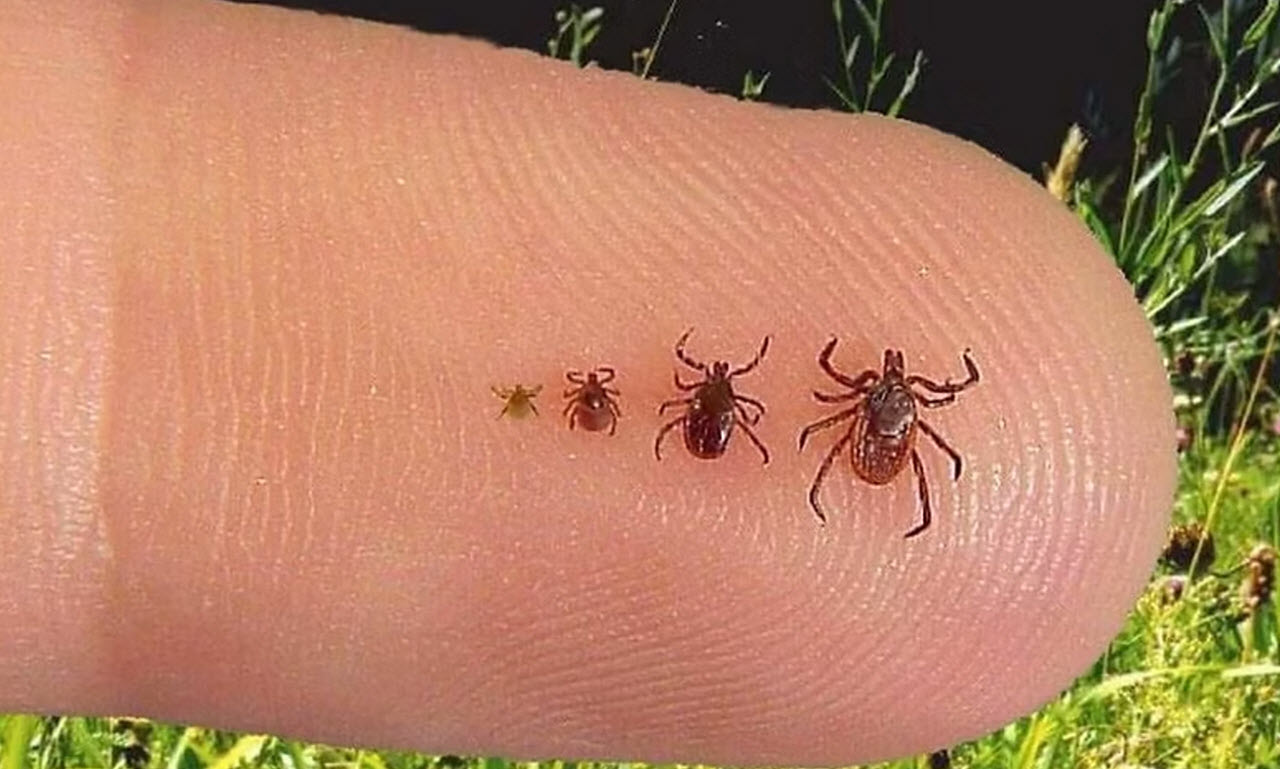
Adult deer ticks are only the size of a sesame seed. The nymphs that emerge in May are even tinier, matching the size of a poppy seed or a pencil tip.
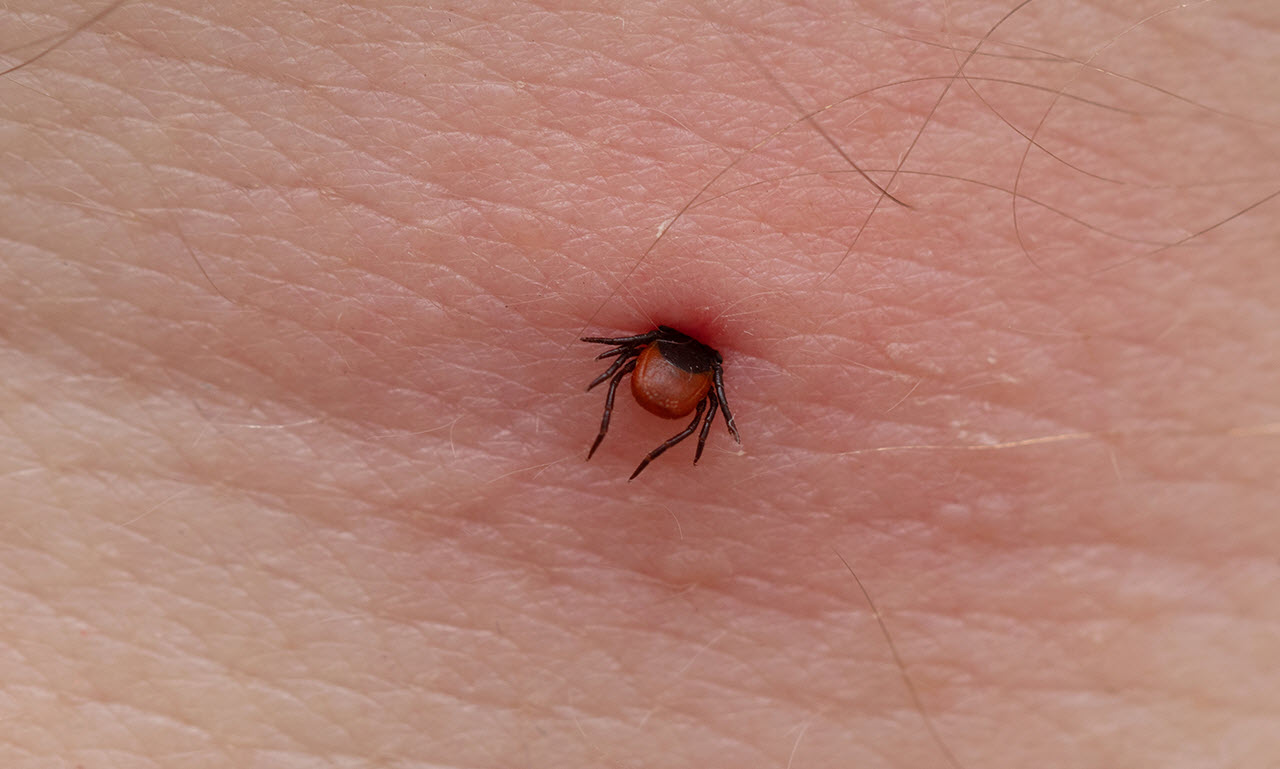
They possess specialized proteins that work at the bite site to suppress immune systems and nerve sensitivity. The bite is usually completely painless. By the time many people notice a tick, it has already been feeding for hours.
The real danger hides in the grass until it finds a host.
Lyme disease remains the most reported tick-borne illness in the country, affecting an estimated 476,000 patients each year. Early symptoms typically include fever, fatigue, headache, muscle aches, and swollen lymph nodes.
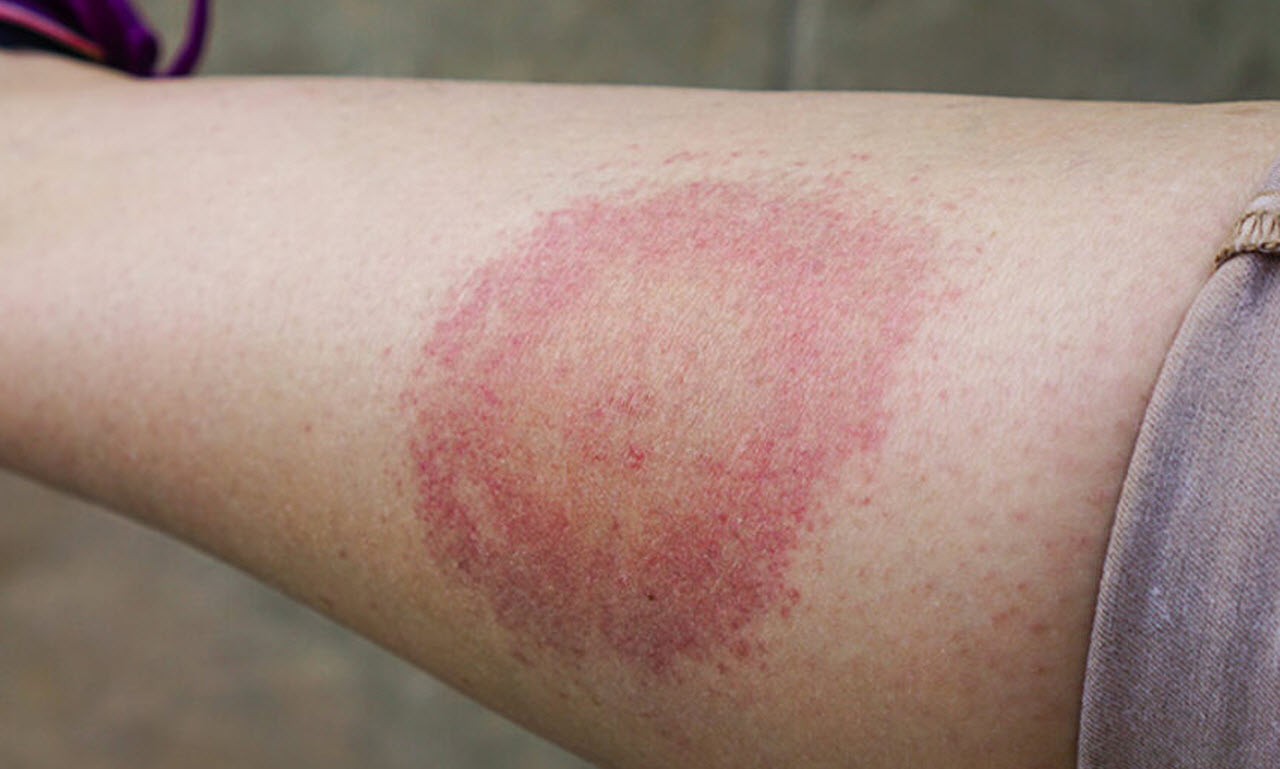
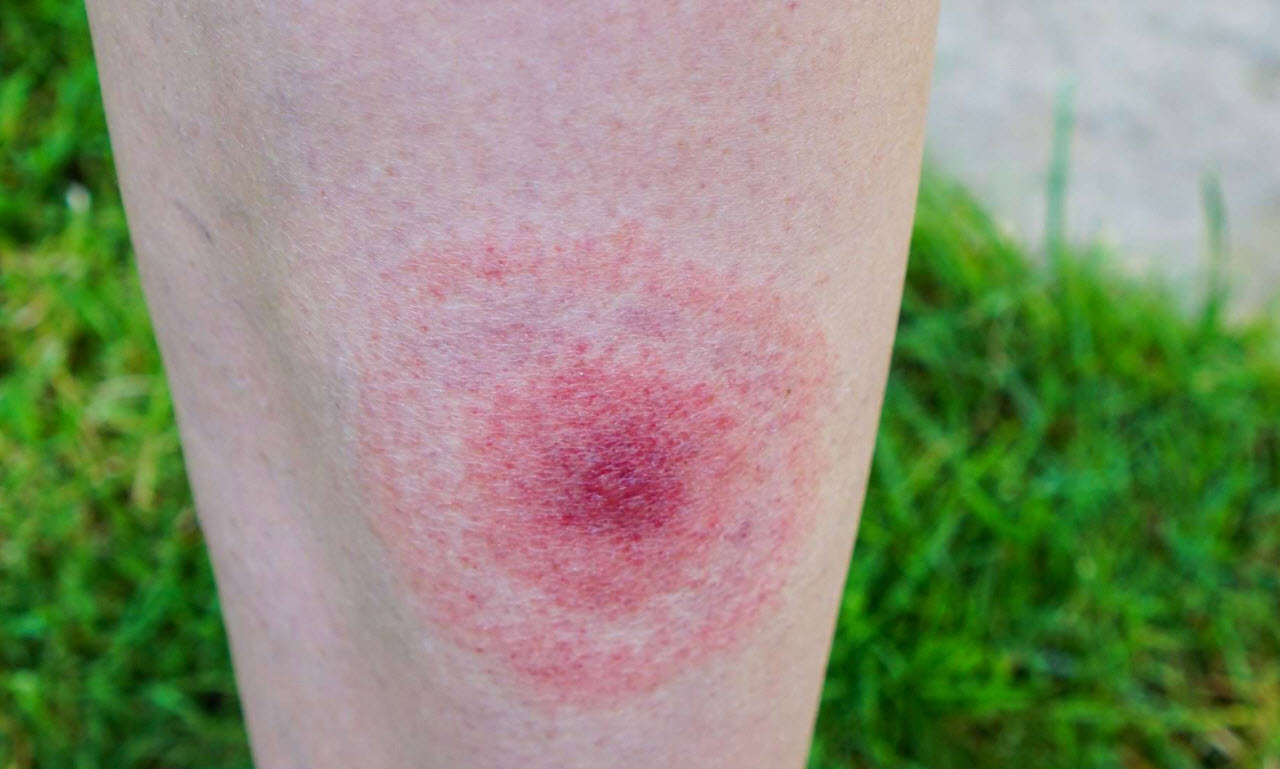
Some develop a circular bull’s-eye rash. Left untreated, it can cause facial paralysis, irregular heartbeats, and severe arthritis.
Meanwhile, the lone star tick is expanding rapidly across the South and Central states. This species carries a terrifying consequence known as alpha-gal syndrome.
This is a potentially life-threatening allergy that causes red meat, dairy, and other animal products to trigger severe reactions. Symptoms appear two to six hours after eating, making the connection to a bite weeks earlier extremely difficult to recognize.
Research from Virginia Commonwealth University found a 100-fold increase in positive test results for alpha-gal antibodies over the last decade.
The CDC advises treating clothing and gear with 0.5% permethrin and using EPA-registered repellents like DEET or picaridin.
When outdoors, stick to the center of trails and wear light-colored clothing. Once inside, dry clothes on high heat for ten minutes, shower within two hours, and check under arms, around ears, and behind knees.
If you find a tick, grab it with tweezers and pull straight out. Do not use heat, lighter fluid, or alcohol.
Home remedies actively increase disease risk by agitating the tick, causing it to release more saliva. If a rash or fever develops, seek medical care promptly.
