
The girl in the faded kindergarten portrait did not smile. She did not frown either. She just stared into the lens of the only childhood photograph she would ever own.
Behind that blank expression was a reality lived in a single room shack on a South Carolina farm. The floorboards were cold and the air was thin.
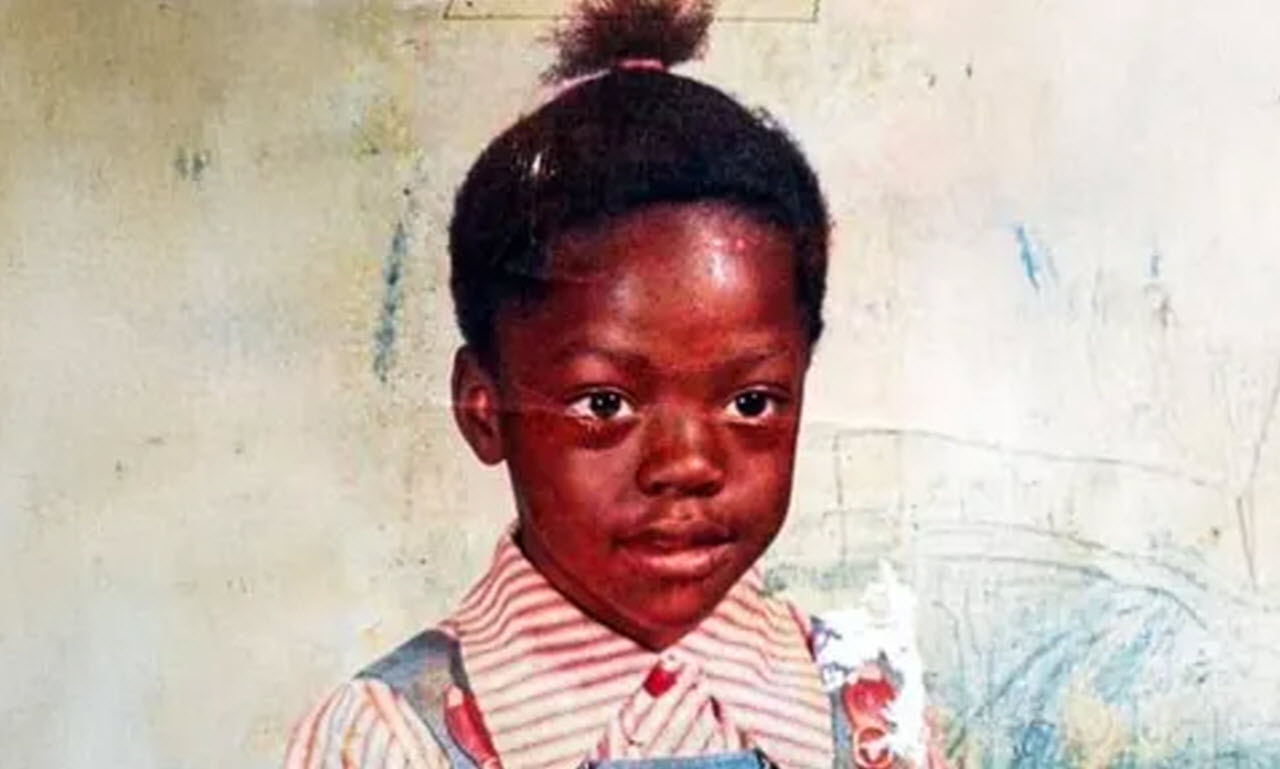
Her family eventually fled the rural South for Central Falls, Rhode Island. But the relocation did not bring relief. The new apartment was a condemned structure. Racism followed them into the schoolyard. Hunger followed them home.
The nights were the hardest part. Rats swarmed the darkness of the bedrooms. To survive the night without being bitten, the young girl tied tight rags around her neck before closing her eyes.
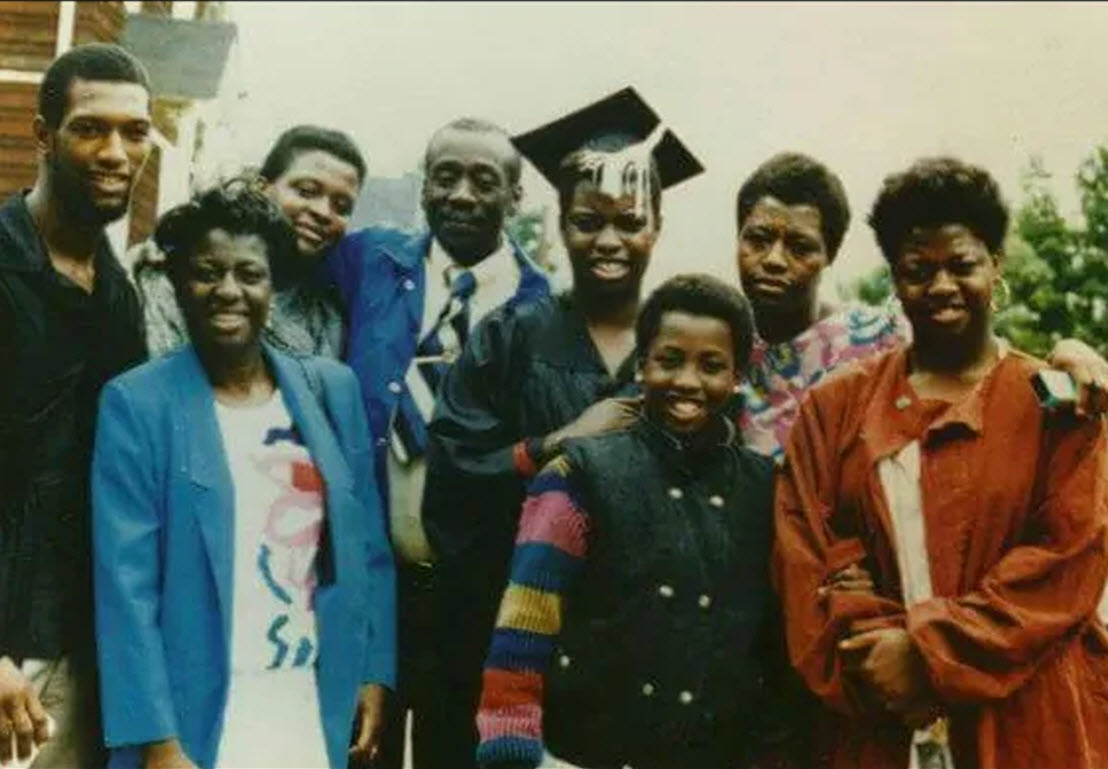
Her homemade skits cost exactly two dollars and fifty cents.
But the girl refused to let the squalor define her trajectory. At just nine years old, she found an escape. She and her sisters turned their parents closet into a theater. They wrote scripts, staged rehearsals, and appointed directors.
That little girl eventually grew up to become Viola Davis. The world now knows her as an icon, but the journey required surviving her own household. Her father struggled with alcoholism and rage.
The home was violent. Yet, before his death in 2006, he transformed and begged for forgiveness. He spent his final years rooting for her success.
The closet plays led to a scholarship at the Young People School of the Performing Arts. Then came theater studies at Rhode Island College, followed by the elite halls of Juilliard. Hollywood, however, was not welcoming.
Viola internalized the constant rejection, feeling invisible because she lacked a commercial look.
An unexpected text changed the entire trajectory of her career.
The breakthrough came on Broadway. Just three years post graduation, Viola earned a Tony nomination for Seven Guitars. She won her first Tony for King Hedley II in 2001, and a second for Fences in 2010.
The film world finally took notice in 2009. Her single, searing scene in the movie Doubt earned an Academy Award nomination. It was a masterclass in tension that launched her into superstardom.
Later, she made history as the first Black woman to win the Emmy for Outstanding Lead Actress in a Drama Series for How to Get Away With Murder.
The little girl from the kindergarten photo still lives inside the Oscar winner. Viola admits she must constantly go back and heal that child who was called ugly and small. Now, she focuses on passing those lessons to her adopted daughter, Genesis.
Alongside her stricter husband, Julius Tennon, Viola teaches her teenager to reject the pressure to shrink for others. She tells her that women are wrongly praised for sacrificing their own needs, urging Genesis to have a radical love affair with her own inner voice.
