
The grand conference hall in the heart of Beijing was perfectly arranged. Massive flags hung completely still. Highly trained personnel stood at absolute attention along the perimeter.
Rows of international photographers fought bitterly for position. They adjusted their heavy tripods, desperate to catch the exact moment two of the most powerful men on earth sat down.
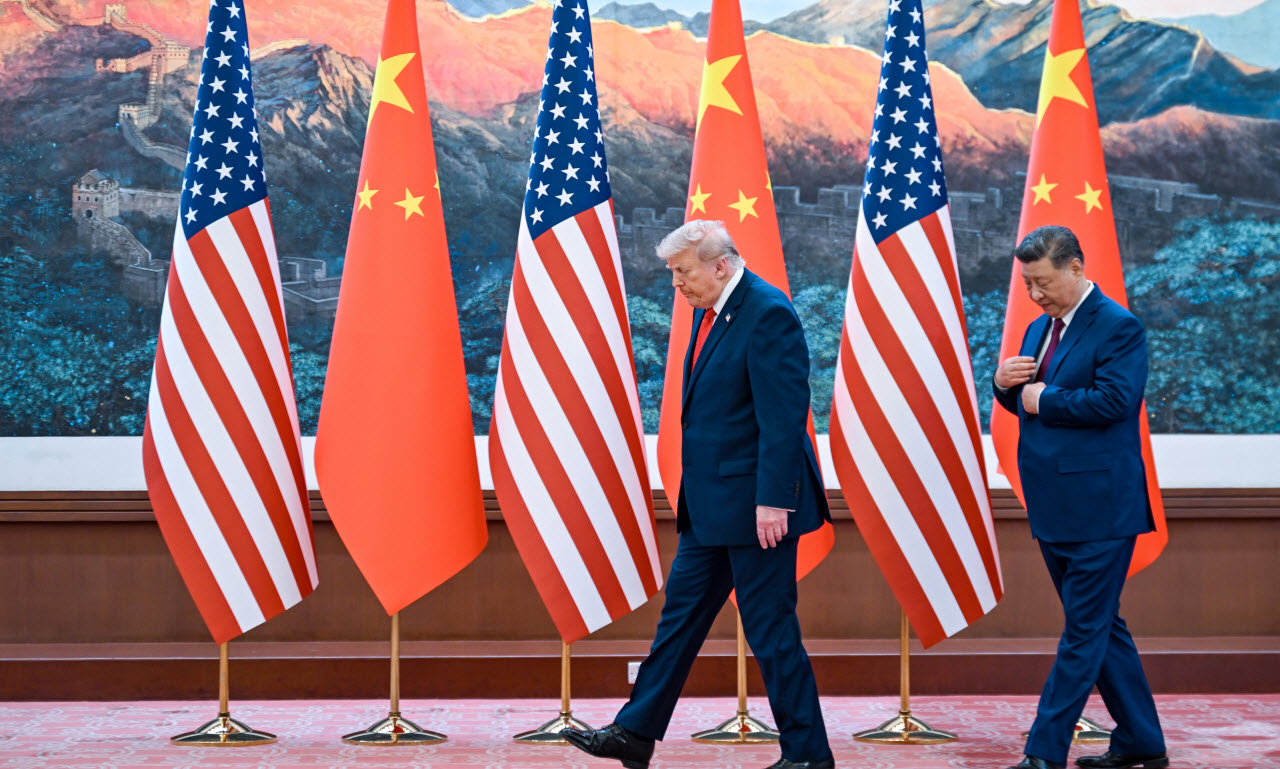
Then came the sudden crash.
A heavy piece of media gear hit the hard floor with a loud slam. Bodies instantly shoved against other bodies. The carefully managed diplomatic order vanished into pure confusion.
A sharp, angry shout ripped right through the formal silence of the room. A hot microphone caught someone telling another person to get the f**k out of here.
🚨 HOT MIC IN CHINA: "Get the F*CK out of here!" unknown voice says as the press and cameras struggle when President Trump and Xi walk in pic.twitter.com/aawjQirEQx
— Donald J Trump Truth Social Posts On X (@TrumpTruthOnX) May 14, 2026
The planned global spectacle turned chaotic in a matter of seconds. Security personnel scrambled forward as a physical struggle broke out right at the edge of the red carpet.
The lens caught every bit of the sudden friction before the doors slammed shut.
Donald Trump moved right past the unexpected noise, determined to keep the high-stakes meeting moving smoothly. He smiled and looked directly at the Chinese leader.
The American president began tossing out heavy praise before the media could even be ushered out of the room. He wanted to project absolute confidence to the world.
“You’re a great leader,” Trump said, completely ignoring the strange tension still lingering in the air. “Sometimes people don’t like me saying it, but I say it anyway, because it’s true.”
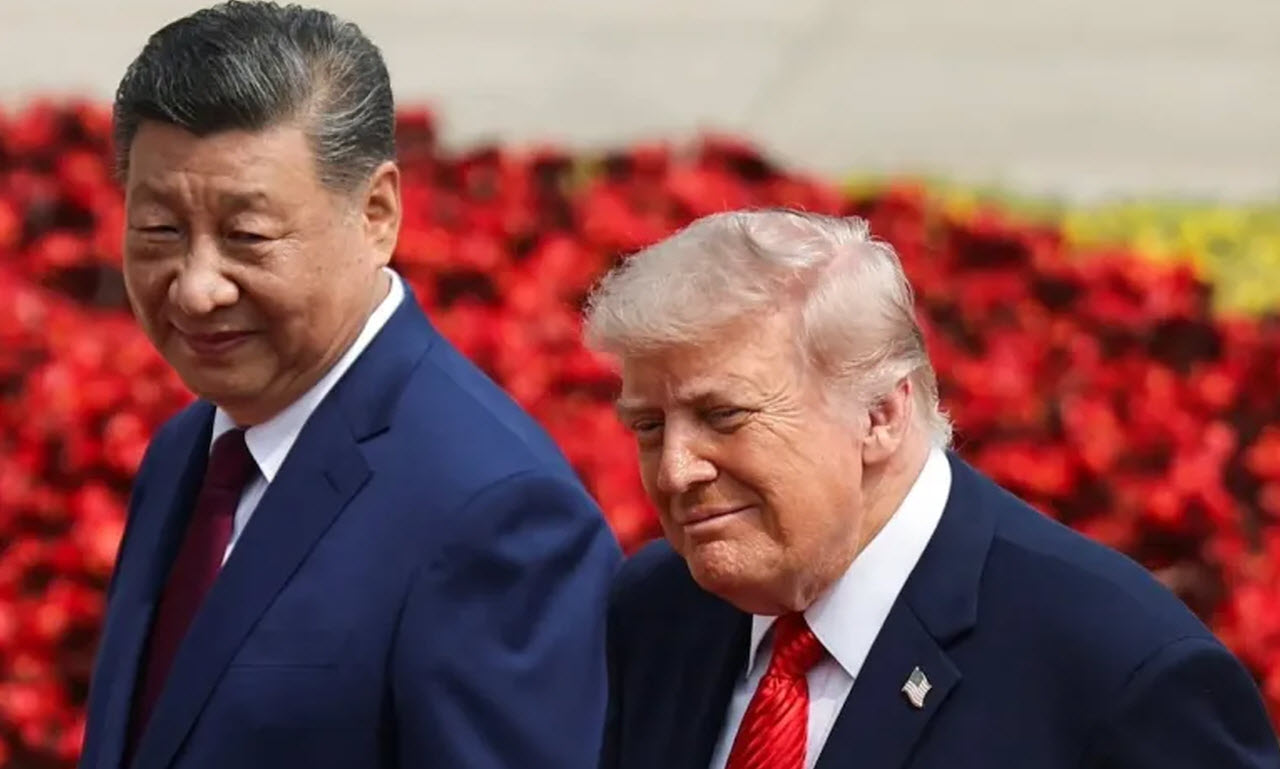
The American leader kept pushing the warm tone. He stated it was a true honor to be there and an honor to be a friend to the president.
He confidently predicted that the relationship between the two massive global superpowers was going to be better than anyone had ever seen before.
But the temporary warmth did not last long.
Xi Jinping sat directly across the wide table. His face remained entirely unreadable as the initial pleasantries quickly faded into the background.
The Chinese president did not return the easy smiles. He shifted the entire weight of the summit toward a cold, deeply serious warning about the true future of their nations.
He brought up the dark concept of a historic trap. It is a reality where a rising power and an established empire are forced into brutal, inevitable combat with one another.
He openly questioned whether the two massive countries could actually find a way to transcend this geopolitical trap and forge a brand new model for global relations.
“The Taiwan question is the most important issue in China-US relations,” the warning stated clearly, noting that any misstep would lead directly to severe clashes and open conflict.
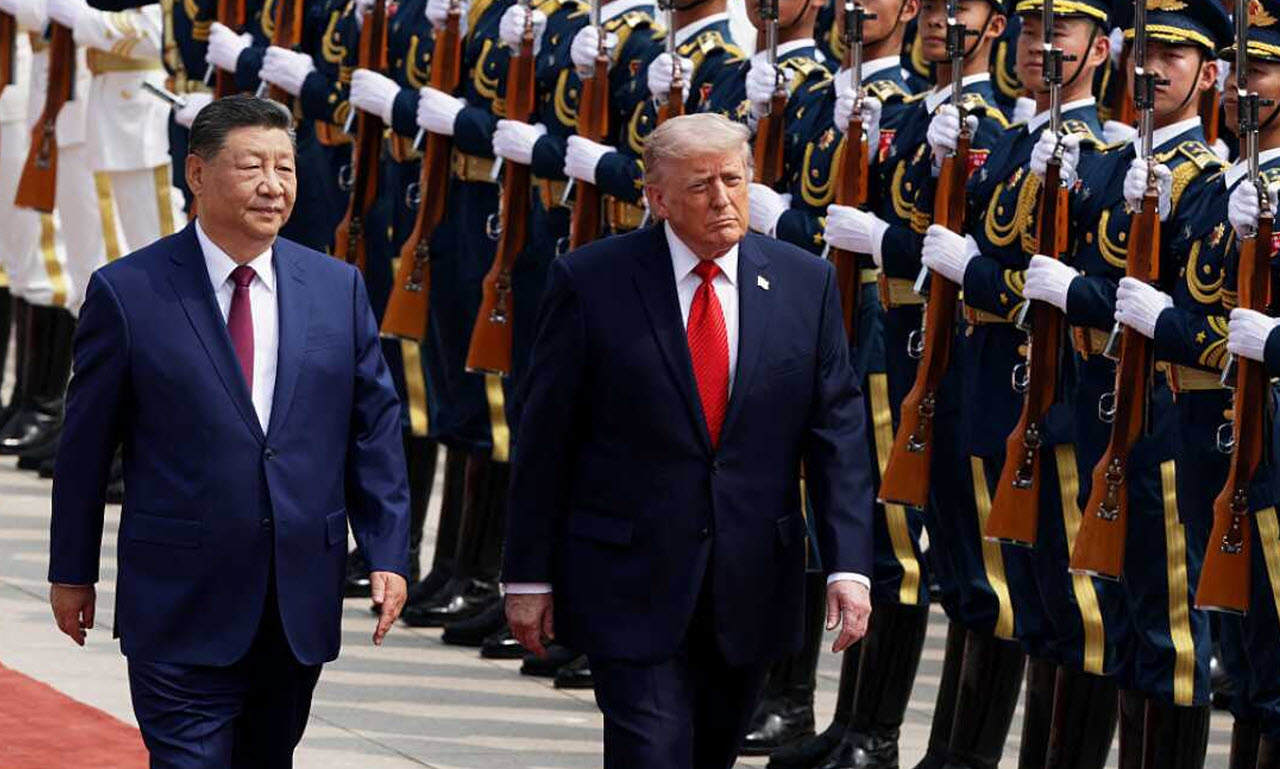
The Chinese leader insisted that cooperation would benefit both sides, while confrontation would only bring harm. He stated they must remain partners rather than bitter rivals.
The room grew heavy as the threat of real war entered the dialogue.
The two men then retreated deep into the Great Hall of the People for two hours of strictly private talks. They locked out the press to argue over trade and international concerns.
Outside the closed doors, the aging American leader walked through the historic Temple of Heaven. He was quickly surrounded by a fresh swarm of reporters desperate for an update.
They shouted loud questions about the massive fourteen billion dollar weapons packages. They demanded to know the ultimate fate of the self-ruled island territory.
Trump kept moving through the crowd, calling the host country great but keeping his mouth tightly shut about the real threats that had just been made behind closed doors.
The grand optics of the long state visit remained intact for the public. But behind the red carpets and the polite handshakes, the global divide had never felt wider.
