
Disclaimer: This article is for informational purposes only and is not medical advice. Always consult a qualified healthcare professional regarding any medical concerns or treatment decisions.
The gallbladder is a small organ that lives in the shadows. It sits quietly under the liver and waits for the moment you swallow something rich. Then it releases the bile needed to break down the fat.
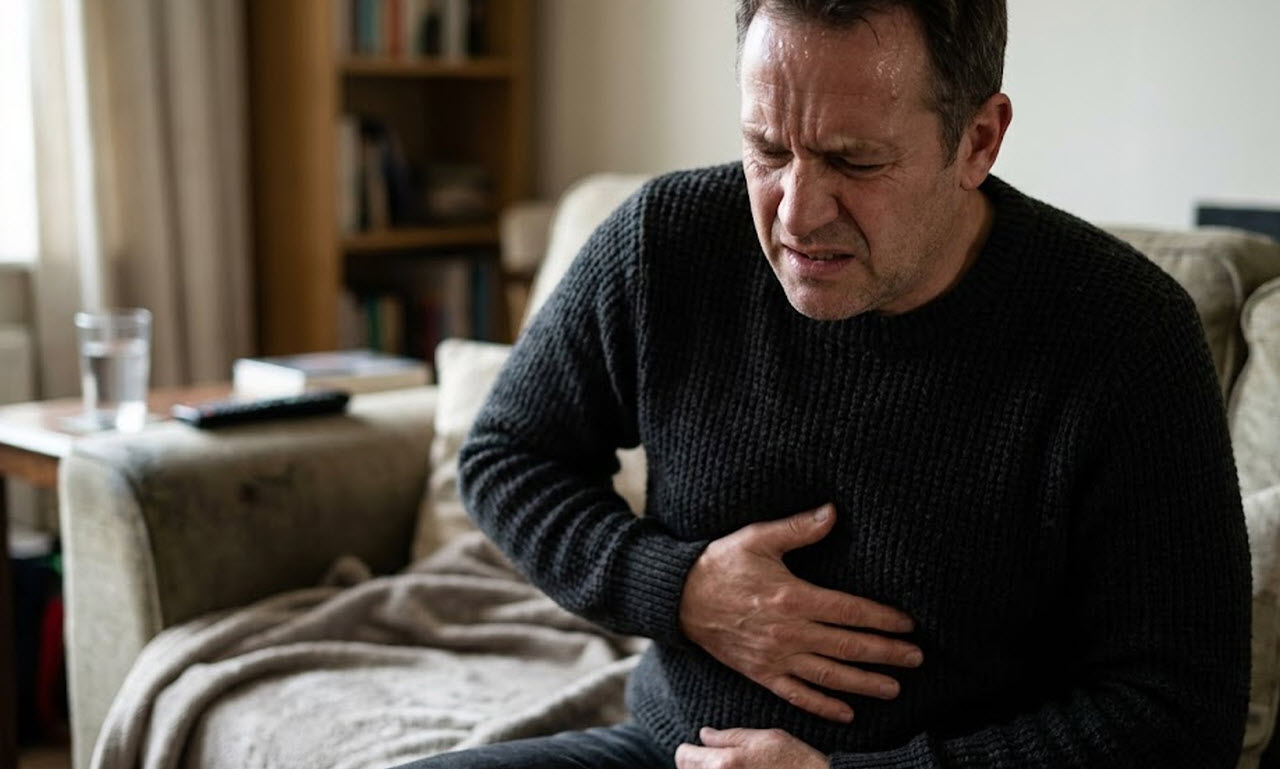
But sometimes the system fails. Small stones form like jagged glass. The pain starts in the upper belly and radiates to the back. It is a sharp and unforgiving reminder that something is wrong.
So the doctors decide it is time for a cholecystectomy. They tell you the organ is not essential. They say you can live a normal life without it. But the transition is a journey of its own.
The surgery usually happens through small incisions. This is the laparoscopic way. They use a camera and thin instruments to disconnect the organ. They fill your abdomen with gas to create a workspace.
And that gas is the first thing you feel when you wake up.
The surgeons close the tiny cuts with glue or tape. They tell you the procedure was a success. Most people go home the same day but the body is processing a significant loss.
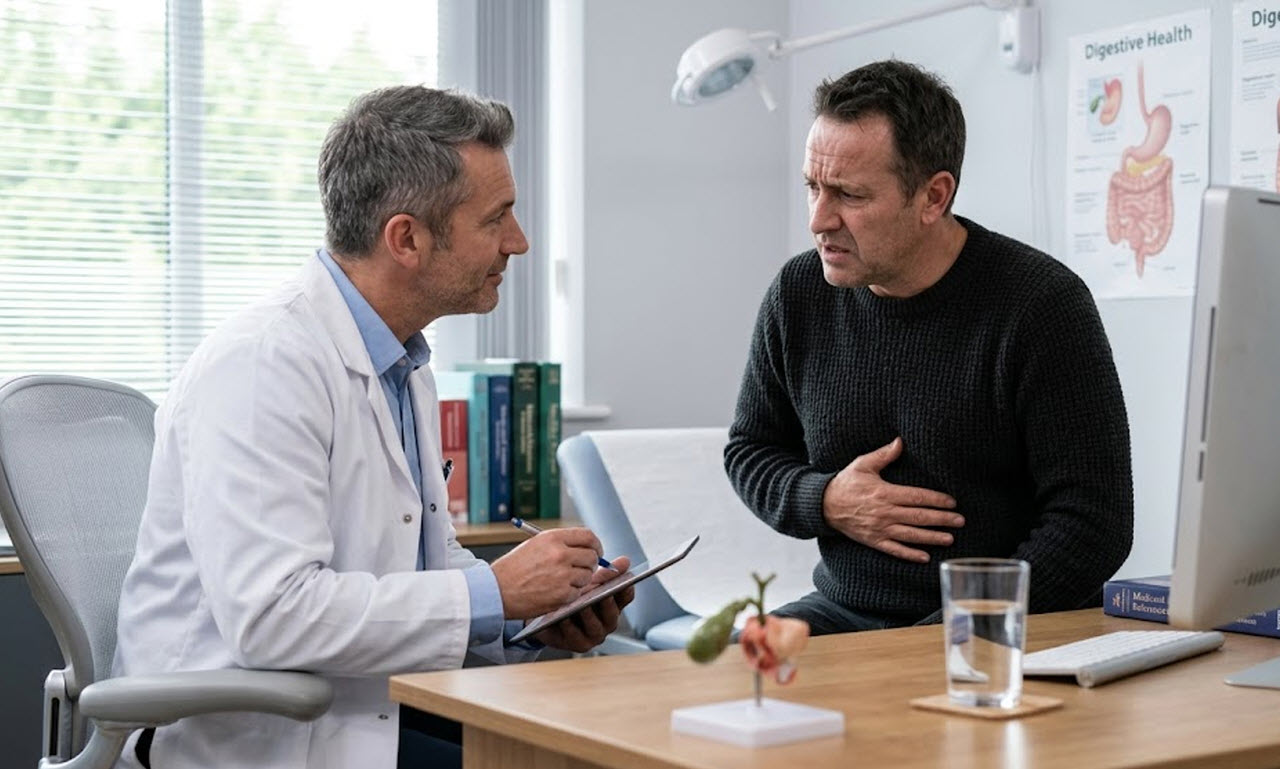
You might feel a strange ache in your shoulders. This is the carbon dioxide gas pressing on your nerves. It is a phantom pain that follows you from the operating room to your bed.
The first twenty-four hours are a haze of rest. You are told to walk as much as your body allows. You climb the stairs slowly. You take deep breaths to clear the anesthesia from your lungs.
But the real change is happening deep inside the gut.
The bile no longer has a storage tank. It used to wait for a signal. Now it flows in a constant and steady drip into your intestines. This change can irritate the bowel without warning.
About twenty percent of patients face immediate diarrhea. It is a sudden and frequent reality. The body is trying to figure out how to handle the new flow. It is a messy and frustrating part of the first week.
Then there is the bloating. It makes your skin feel like it is stretching to the limit. Without the concentrated bile, fat digestion becomes a sluggish process.
The pressure in the abdomen is constant.
Some people experience what they call Post-Cholecystectomy syndrome. This affects up to forty percent of patients. It brings back the nausea and the upper abdominal pain you thought was gone.
You might even see yellowing of the skin or eyes. This jaundice is a warning sign. It means a stone might be hiding in the bile duct. Even without the gallbladder, the stones can still find a way to form.
So the first meal you eat at home is a high-stakes moment.
The doctors recommend clear liquids for the start. You sip broth and eat gelatin. You stay away from alcohol for at least two days. Your system is too fragile for anything else.
Gradually you move to solid food. But the rules have changed. The greasy burgers and the fried chicken are now dangerous. They can trigger a wave of cramps and indigestion.

You have to learn to eat small meals throughout the day. You reach for the oatmeal and the beans. You look for high-fiber anchors like beets and okra.
The kitchen becomes a place of careful choices.
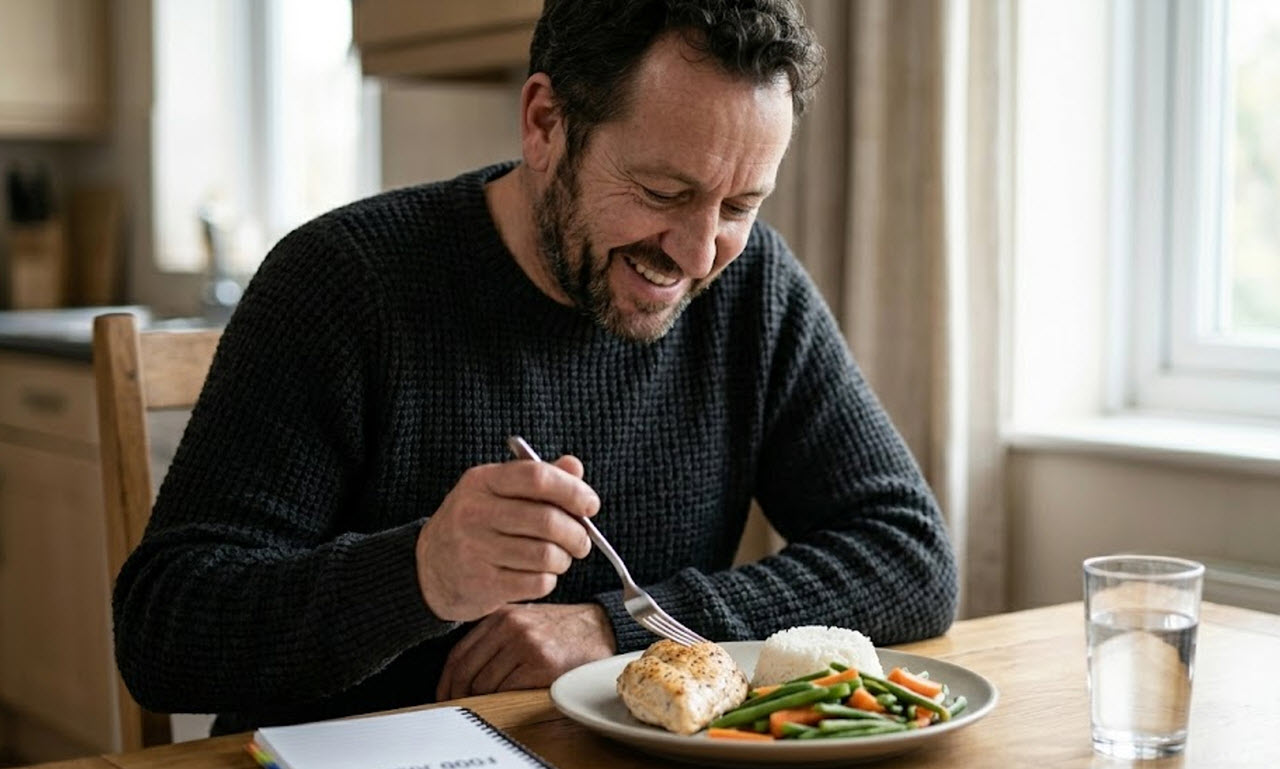
You track every bite in a food journal. You look for the triggers that cause the gas to rise. You avoid the butter and the lard that used to be staples of your diet.
Hydration is your best defense against the side effects. You drink water and broth to replace the minerals lost. You lean on soluble fiber like carrots and potatoes to steady the rhythm.
Most people find their new normal after about a month. The small scars near the navel start to fade into the skin. You realize you can survive without that small piece of yourself.
But the first week is a test of patience. It is a slow walk back to health. The body is a resilient machine that eventually adapts to the silence. And finally, the fear of the next meal begins to disappear.
