
The end of the road is never just an end. It is a question that haunts the living. Because death is riddled with a specific kind of cold anxiety. And most people look to the heavens to find a map for the soul.
They want to know what happens when the breath stops and the spirit steps into the dark.
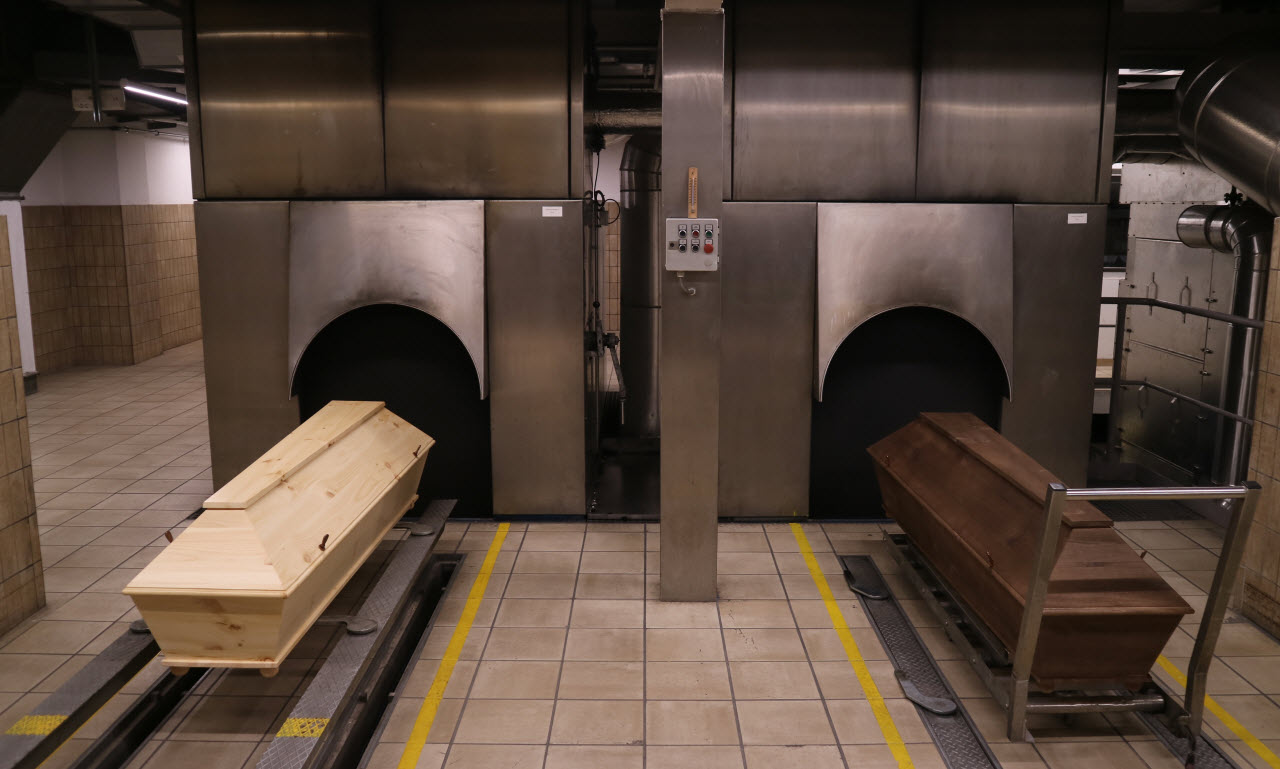
Different faiths have different maps. Some paths lead to a quiet grave in the dirt. Others lead straight into the heat of the furnace. But the fire is where the real tension begins. How a religion views the flame depends entirely on what they think the soul is worth.
In the world of Islam, the fire is a boundary you do not cross. Cremation is strictly forbidden. Some scholars call it sacrilegious. They say it brings a deep dishonor to the dead.
The body must be protected and handled with a heavy sense of dignity. It must be washed and shrouded in the old ways.
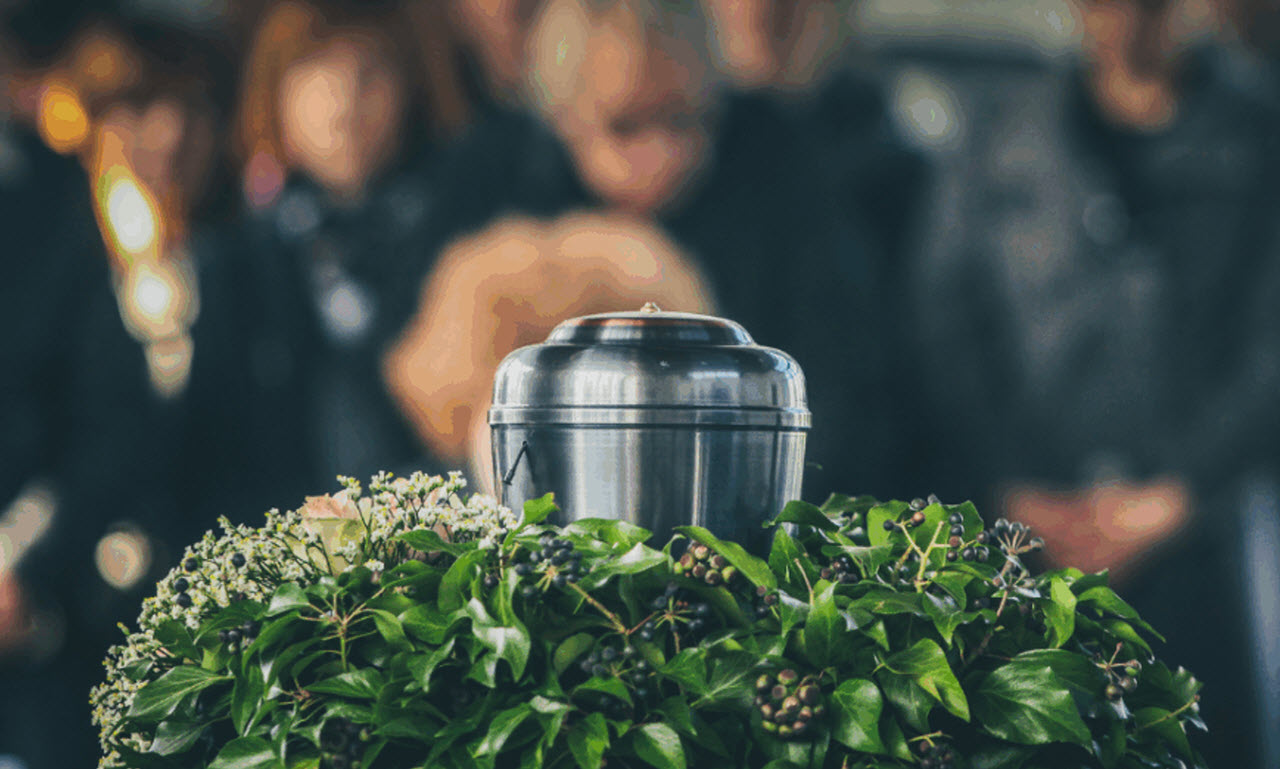
And there is a reason for the rush to the earth in Islam. The body is not just a shell. It is a vessel that must remain intact for the journey ahead. A prophetic teaching says that hurting the dead is the same as hurting the living. So the body goes into the ground quickly.
The soul is not gone. It is just waiting in Barzakh. It sits in that intermediate state until the Day of Judgment. It is a bridge between worlds.
The silence of the shroud holds a secret the fire can never touch.
Buddhism looks at the flame through a different lens. To them, the soul is not a permanent thing. It is a stream of consciousness flowing through the banks of karma.
Cremation is not a destruction. It is a symbol of letting go. It is an act of detachment from a world that is always fading.
The smoke carries the spirit toward a new birth. It is a favored tradition that helps the consciousness move through Samsara. They chant. They give alms. They do everything they can to nudge that energy toward the peace of nirvana.
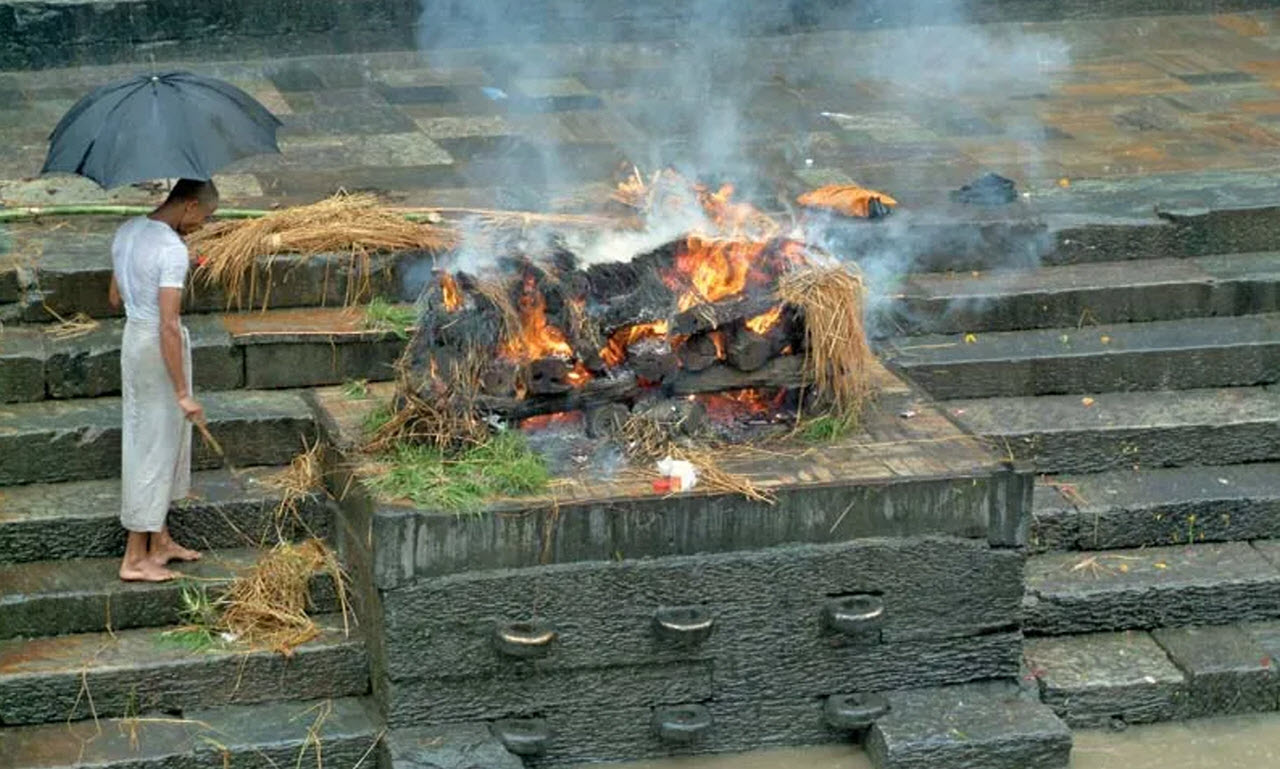
But for the Jewish people, the fire carries a much darker weight. Traditional law sees cremation as a violation of the body. The body is God’s creation. It must be honored with kavod ha’met.
And the shadow of the Holocaust looms over every furnace. Millions were burned against their will.
Because of that history, most Orthodox and Conservative communities say no to the flame. They believe the soul comes from God and must return to Him whole. They look toward a future world where the dead might rise again.
The earth remembers what the fire tries to erase.
Then there is the heat of the Hindu Agni Sanskar. To them, the soul is eternal and the body is just a suit of clothes. The fire is a sacred purifier. It is a divine messenger that severs the ties to this world. It breaks the bonds and sends the spirit toward liberation or a new life.
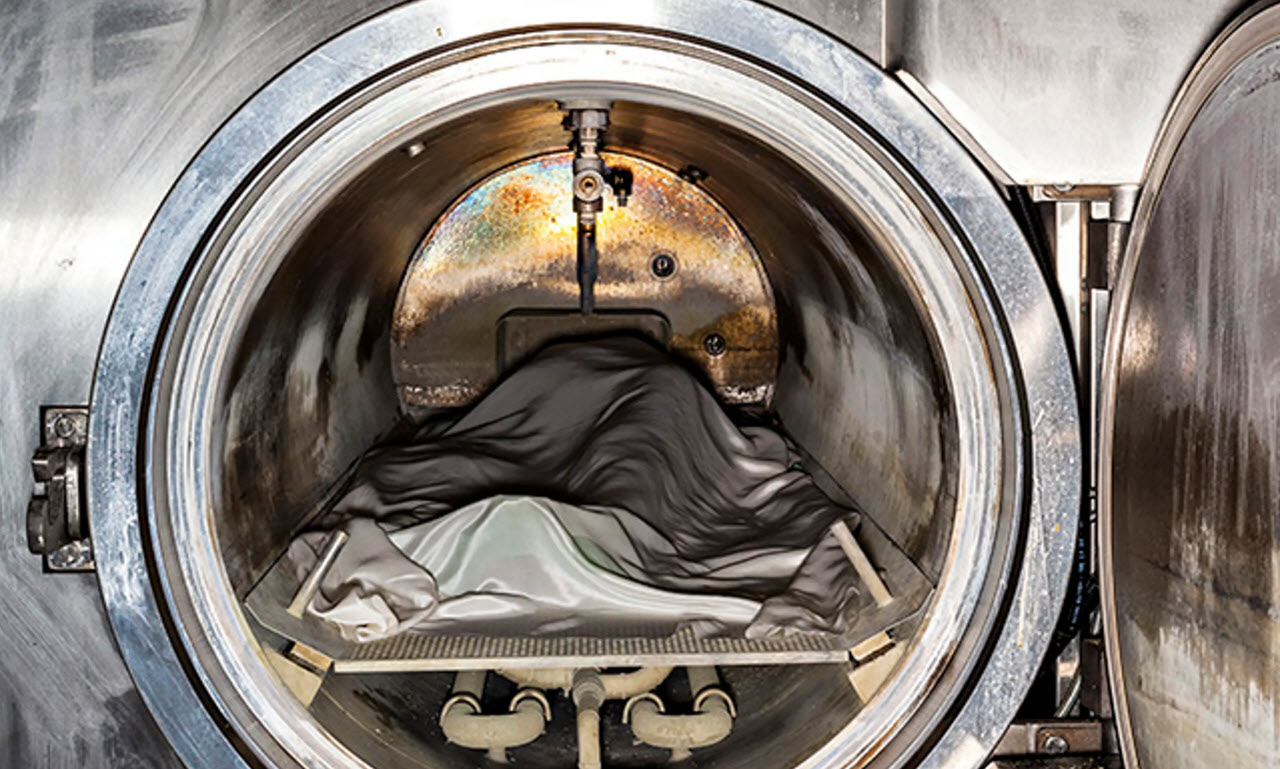
Catholicism walks a middle ground. The Church teaches the soul is immortal. It will one day meet a glorified body. They prefer the burial. They want the body in a sacred place. You can use the fire, but you cannot scatter the ashes. You cannot keep them on a mantle.
The ashes must rest in a holy spot. It is a balance between hope and the hard reality of judgment. Purgatory waits for some. A final reckoning waits for everyone.
Even in the New Age, the fire is just a tool for separation. It moves the spirit into higher planes. It is about energy and karma and the long climb upward.
And for the Native nations, the spirit never truly leaves the land. Some used scaffolds in the trees so the soul could travel with the wind. Others used jars for the ashes to protect the identity of the fallen. Every tribe has a different map for the spirit world.
In the end, the choice between the earth and the flame is never simple. It is a final statement of what we believe we are. Some see the fire as a release. Others see it as a wound. But everyone is looking for the same thing. They are looking for a way back home.
