
The human brain is a network of delicate pathways, but sometimes a single vessel begins to swell without anyone ever knowing it is there. This bulge is a ticking clock that often stays silent.
Most people live their entire lives with these small weaknesses in their arterial walls, and they never feel a thing. These quiet shadows are common and usually remain entirely negligible.
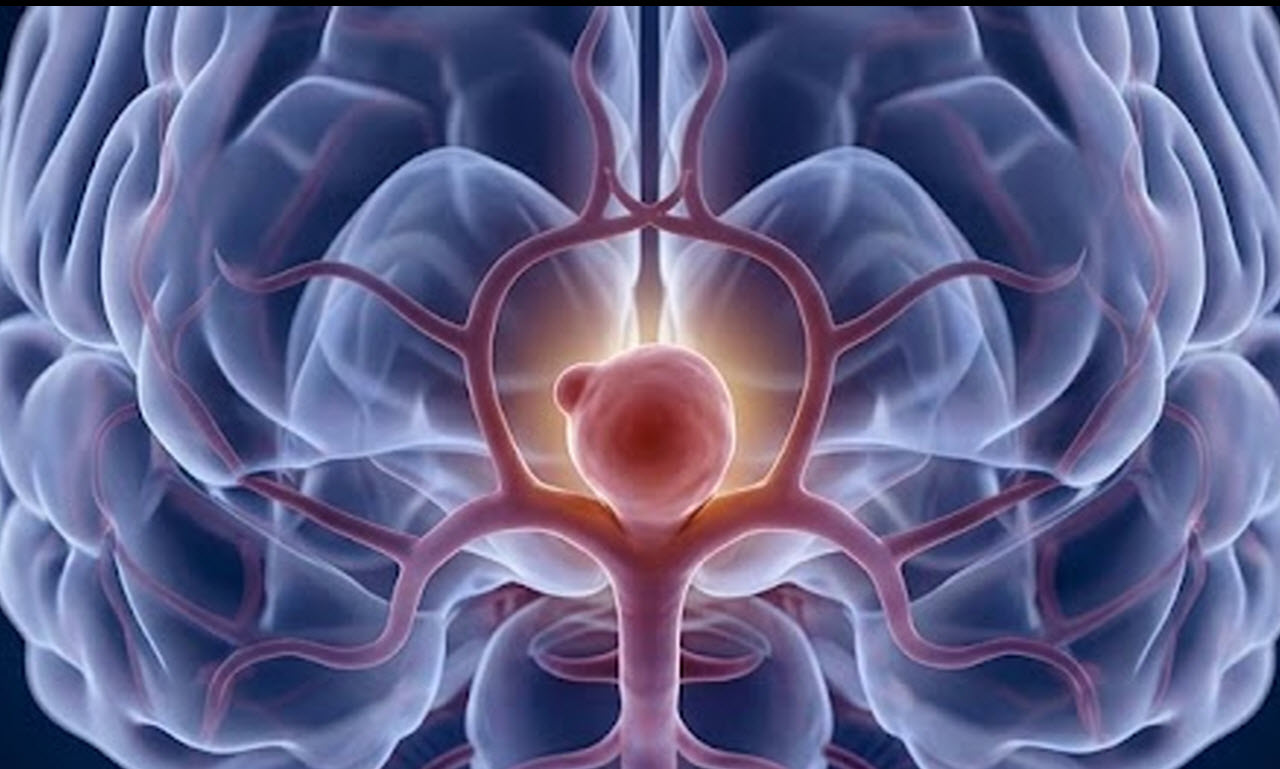
But the moment that thin wall starts to give way, the world turns upside down. It begins as a tiny leak or a full rupture, and the result is a catastrophic hemorrhagic stroke.
The blood begins to pool where it should never be.
It starts with a sensation that victims describe as the most brutal headache of their entire lives. This is not a standard ache or a simple throb but a sudden and violent explosion of pain.
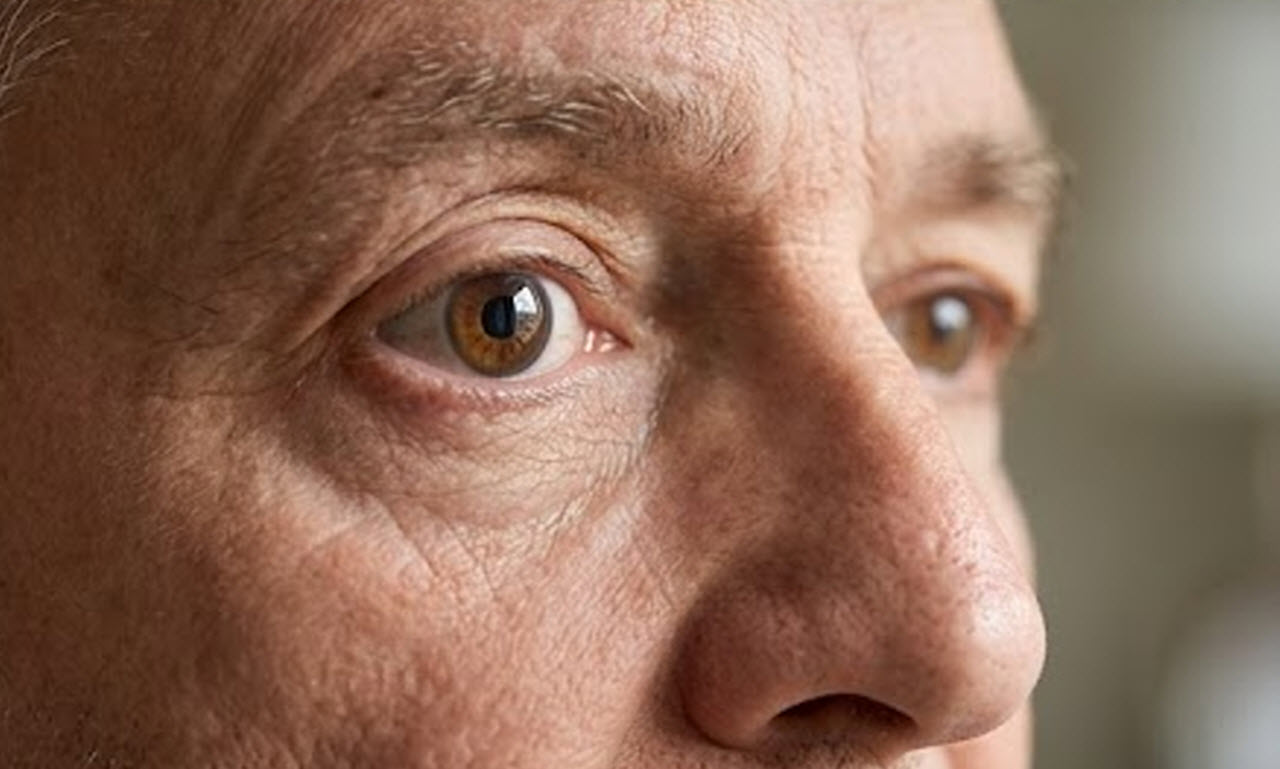
Your vision might blur or double as the pressure builds behind the eyes. You might notice one eyelid starting to droop or a single pupil growing wide while the other remains small.
Confusion sets in quickly, and the simple act of standing becomes an impossible task. Nausea hits like a wave, and the urge to vomit follows as the brain struggles against the internal trauma.
The pressure inside the skull is rising.
The Brain Aneurysm Foundation warns that these symptoms are the first line of defense. A stiff neck or an extreme sensitivity to light can mean the difference between life and death.
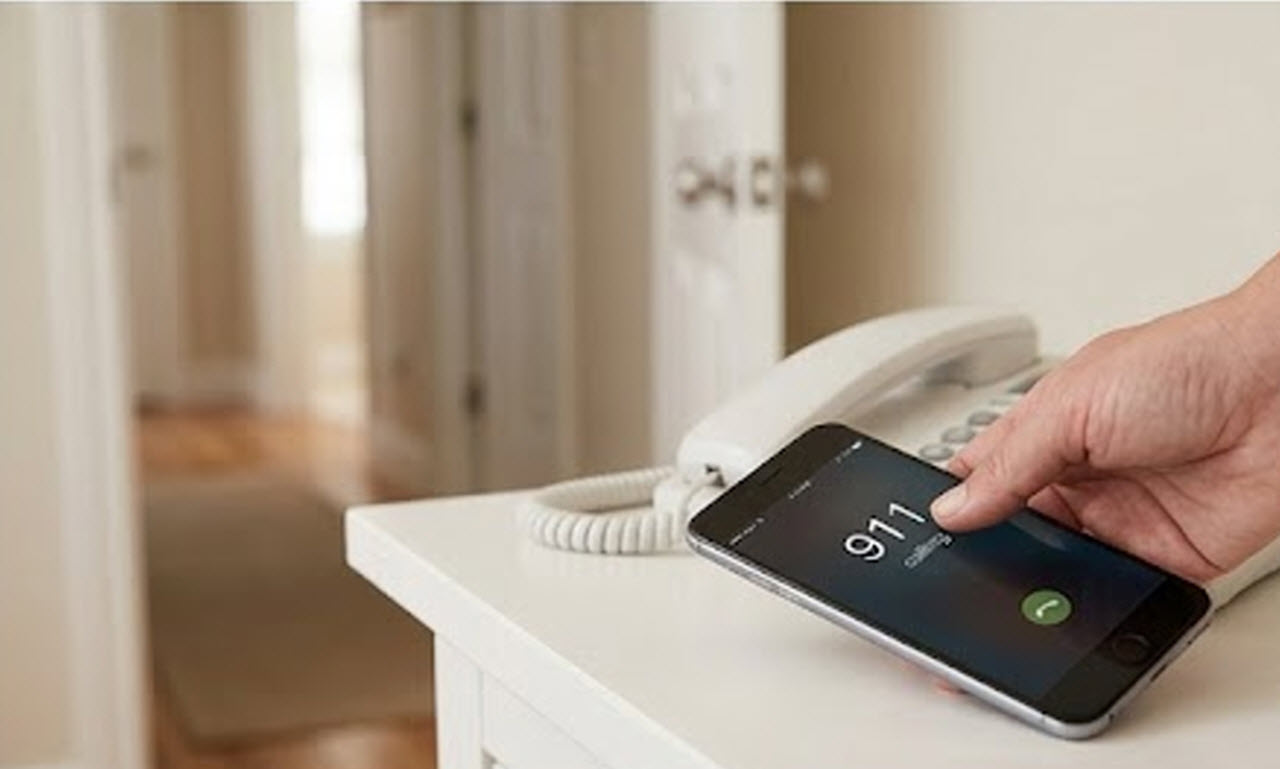
If these signs appear you must call an ambulance immediately because every second counts. Never try to drive yourself because the situation is high stress and requires professional care.
Paramedics can start life saving procedures before you even reach the hospital doors. Waiting for a friend to pick you up or trying to be tough is a gamble with permanent brain damage.
Sometimes the body gives a smaller warning called a sentinel bleed. This is a tiny leak that happens days or even weeks before the final rupture occurs. It is a terrifying preview.
The warning shot has been fired.
A sentinel bleed feels like a sudden and sharp headache that lingers for days. It is the body’s way of screaming for help before the arterial wall finally loses its fight against the pulse.
Even if a vessel has not burst it can still grow large enough to press against the nerves. This creates a different kind of phantom pain or a strange numbness in the face.
People with chronic headaches might notice a shift in their usual patterns. If the frequency or the intensity changes, it is time to consult a doctor before the silent bulge expands further.
The walls are growing thinner every hour.
The risk factors are often written in your DNA before you are even born. Some people carry a genetic predisposition or birth defects that make their arteries inherently prone to weakening.
Women and individuals over the age of forty face a greater statistical danger. Certain conditions, like polycystic kidney disease or Marfan syndrome, may also play a major role in this risk.
Lifestyle choices also weigh heavily on the strength of those vessels. Smoking and excessive alcohol consumption act like sandpaper on the arterial walls until they are ready to snap.

High blood pressure is another silent killer that pounds against the brain’s plumbing. Over time this constant force creates the very bulges that lead to a sudden loss of consciousness.
The vessel finally reaches its breaking point.
A rupture may only last a few seconds but the damage to surrounding cells is permanent. The leaking blood chokes the oxygen supply and can lead to a rapid and tragic end.
Even if you survive the initial bleed, the danger is far from over. Vessels can narrow in a secondary reaction called a vasospasm, which can trigger a different kind of ischemic stroke.
Recovery is a long road involving fluid buildup known as hydrocephalus. This excess pressure continues to damage the brain tissue long after the initial emergency has been managed.
Prevention is the only way to fight back against a history you cannot change. Reducing salt and quitting the habit of smoking are the best ways to keep the pressure from rising too high.
The clock does not have to stop today.
