
The thrill of the hunt usually ends at the checkout counter of a vintage boutique. You find that perfect pair of leather boots or those designer heels for a fraction of the original price.
But as you slide your feet into the worn insoles, you are stepping into a mold that was never meant for your body. The previous owner left behind more than just a fashion statement.
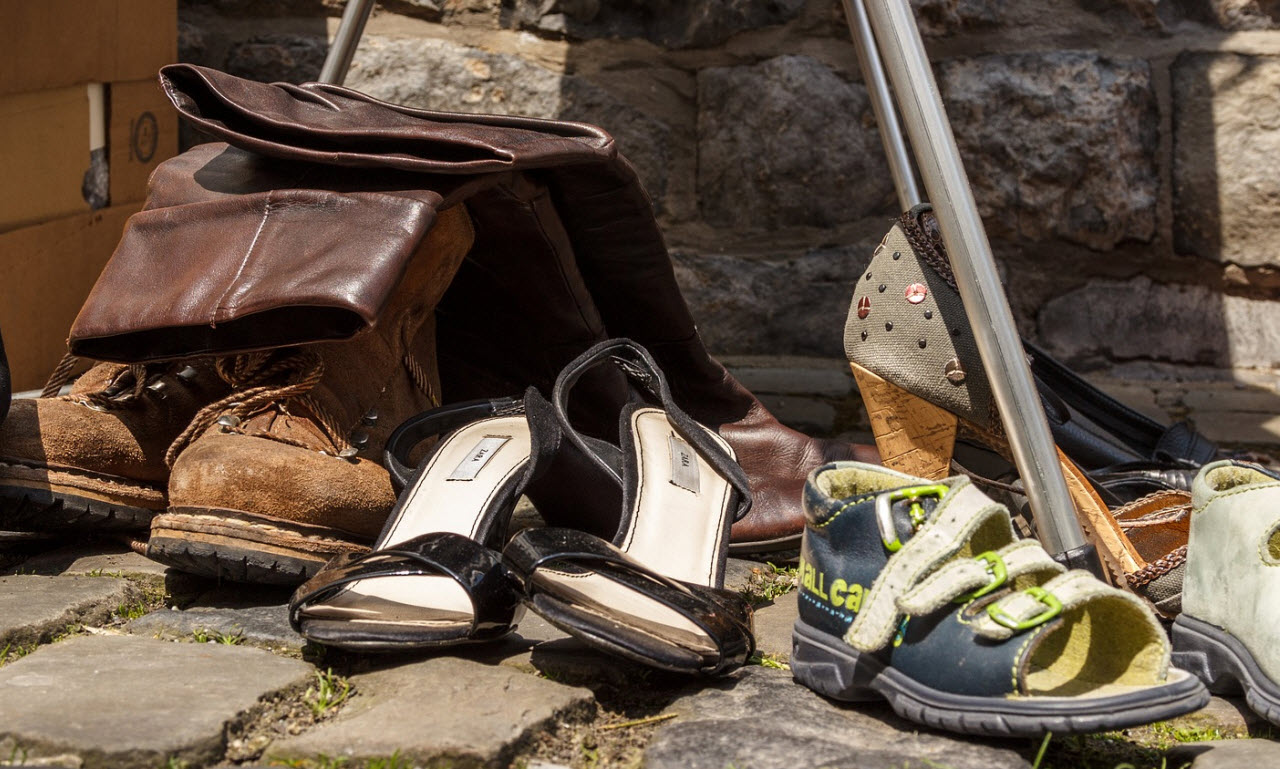
Their weight, their gait, and the unique shape of their arch have already carved permanent channels into the material. Your toes are now fighting for space in a landscape shaped by a stranger’s anatomy.
It starts as a dull ache during your morning commute. You might notice a small patch of skin beginning to thicken or a slight yellowing near the joints of your smallest toes. These are the first defensive walls your body builds against a shoe that refuses to bend to your will.
The friction is constant and unforgiving.
Medical professionals call these patches corns and calluses, and they are far from being just a cosmetic nuisance. They are the physical evidence of a battle between your skin and the rigid seams of a second-hand find.
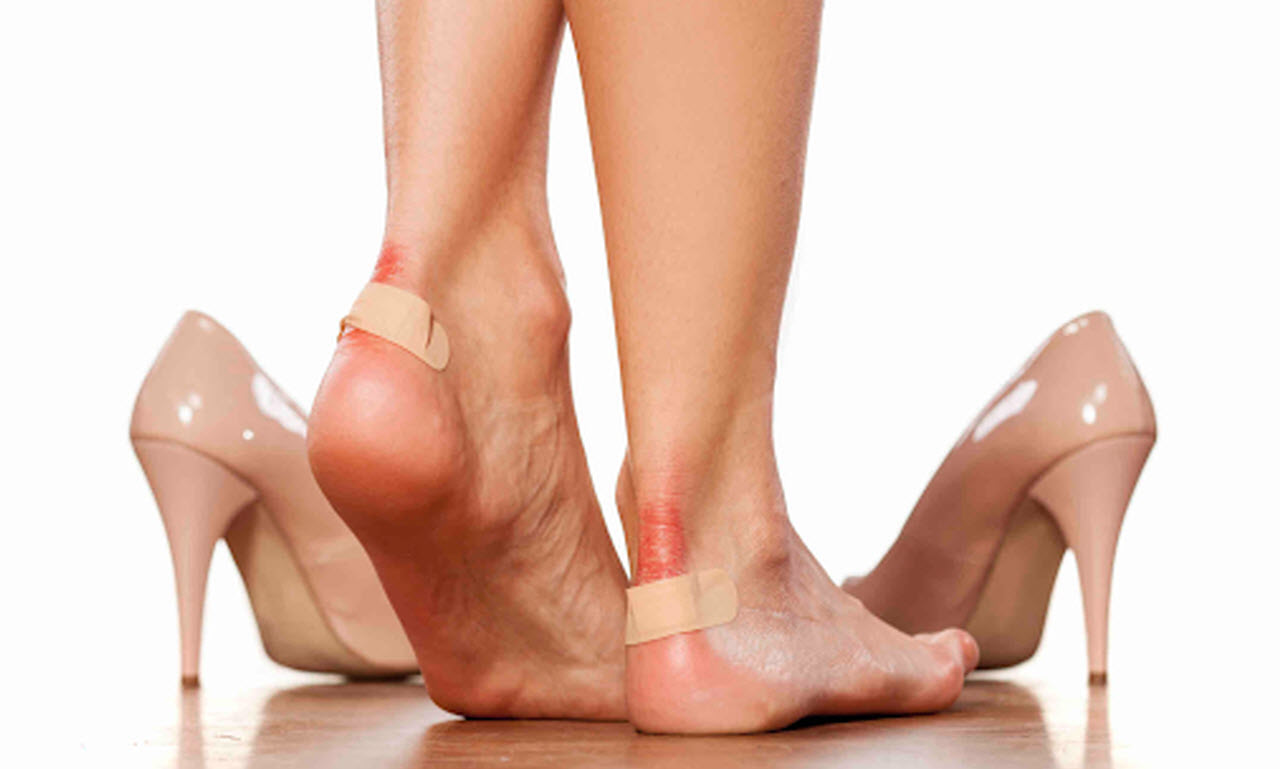
The pressure is uneven and the pockets of space are all wrong.
As the days go by, the skin continues to harden and rise. It forms a central core that reaches deep into the sensitive tissue of your foot. Every step begins to feel like you are walking on a sharp pebble that has somehow made its home inside your very skin.
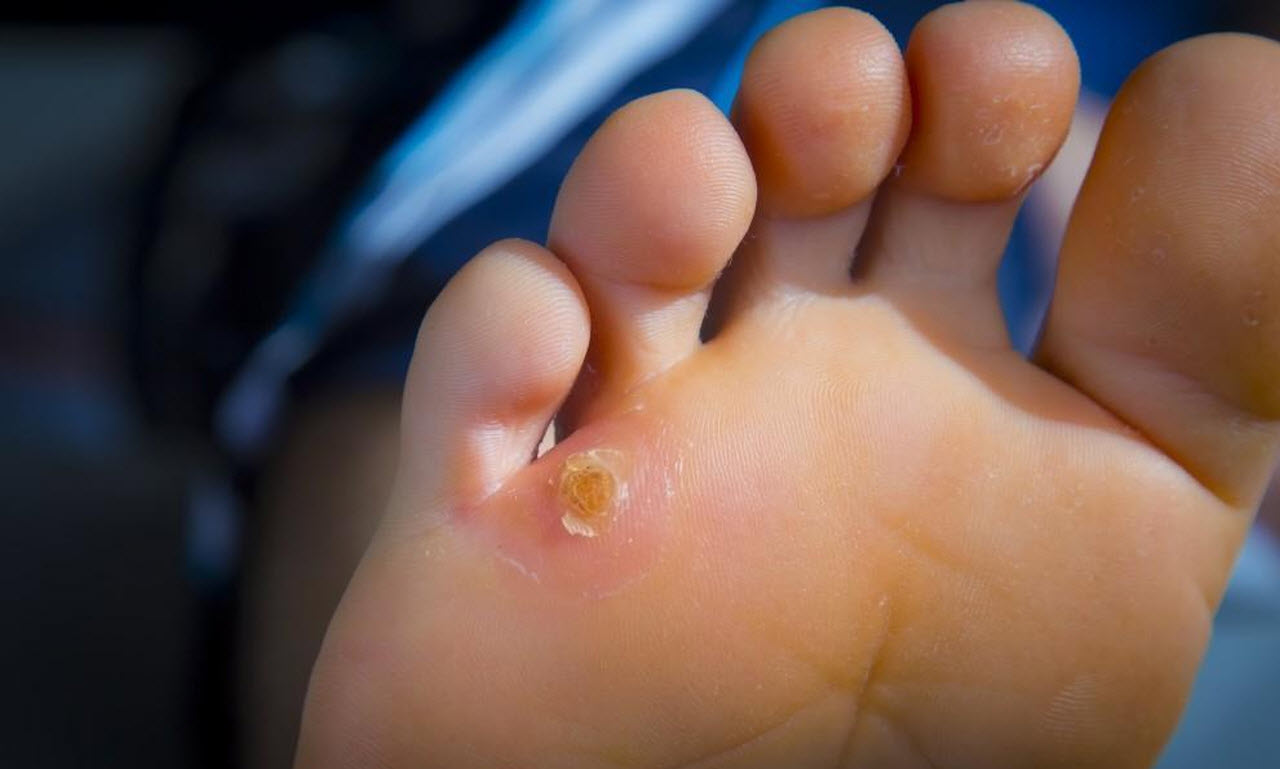
Hard corns typically claim the tops and sides of the toes, manifesting as firm, nodular lesions. They thrive where the shoe rubs most aggressively, turning a simple walk to the mailbox into a test of endurance. The yellowed buildup of dead cells is a silent alarm.
But the physical structure of the shoe is only half of the hidden story. Beneath the surface of that recycled fabric, invisible guests may be waiting for a new host. Fungi and bacteria often linger in the dark, damp fibers of shoes that have seen years of use.
The hidden biology of the bargain is waking up.
Slipping into someone else’s footwear is an open invitation for athlete’s foot or nail infections to take root.
You might expect a simple callus, but you find yourself dealing with intense itching, redness, and peeling skin that refuses to go away.
If the friction continues, the body might skip the hardening phase and move straight to a blister. These fluid-filled bubbles are the final warning. If they turn yellow or cloudy, an infection has likely breached the barrier, leaving you with more than just a sore foot.
The cost of the discount is suddenly very clear.
Recovery begins with a total rejection of the offending footwear. You must choose shoes with a wide toe box and ample cushioning to give your feet the space they deserve. The pressure needs to vanish before the healing can truly begin for your compressed joints.
Soaking your feet in warm, soapy water can help soften the years of built-up keratin. A gentle pumice stone or emery board can smooth the surface, but you must never attempt to cut into the skin yourself. The risk of injury is far too high for a home procedure.
The relief of a wide toe box is life-changing.
Padding the area with mole skin or gel sleeves can provide a temporary sanctuary for your toes. Urea-containing creams act as a chemical softener, slowly breaking down the hardened yellow walls until your skin regains its natural flexibility and softness.
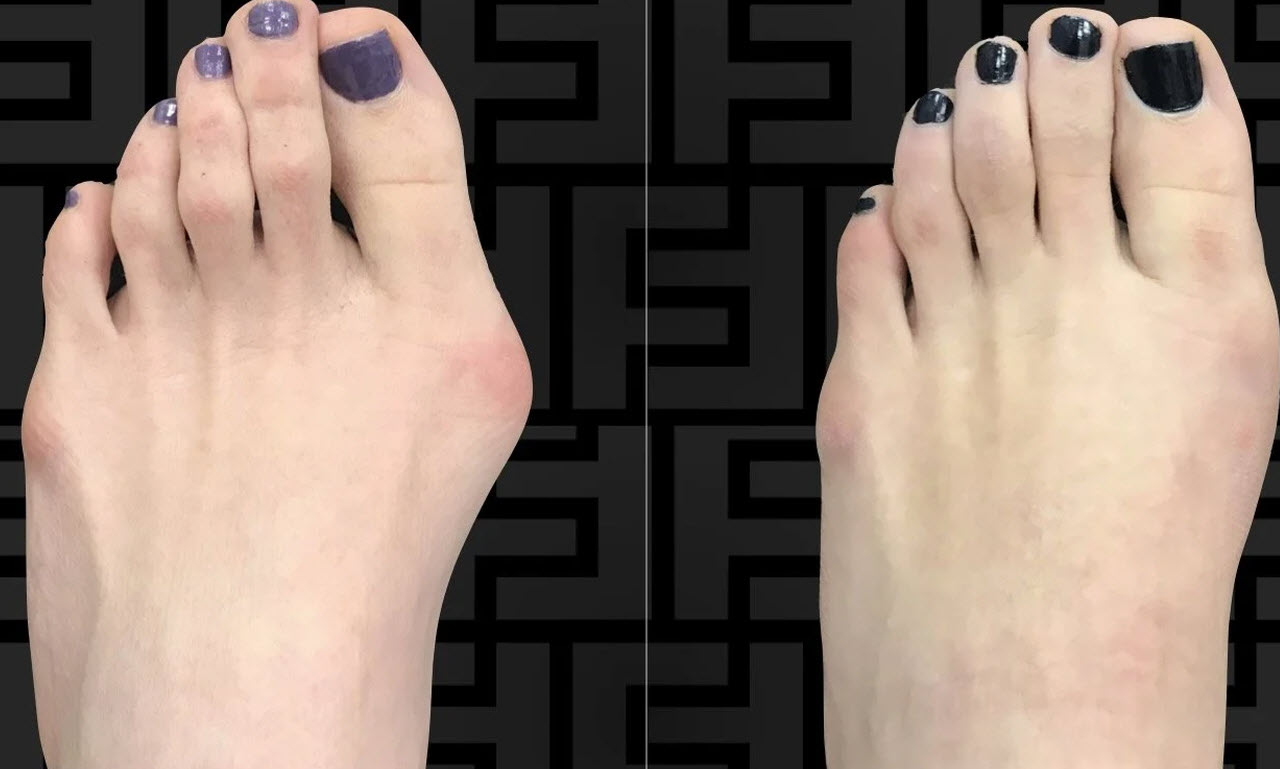
However, if the area starts to ooze or the swelling refuses to subside, the situation has moved beyond home care. A podiatrist can evaluate the underlying bone structure for spurs or bunions that might be making the friction even worse than it appears.
The shoes that seemed like a steal were actually a trap.
