
The digital walls were supposed to be thick. They were supposed to be unbreakable. But for Kash Patel, the man standing at the very top of the FBI, the world just got a lot smaller.
It started with a quiet alert back in December. A whisper from the shadows. The warnings were clear. You are being watched. You are a target.
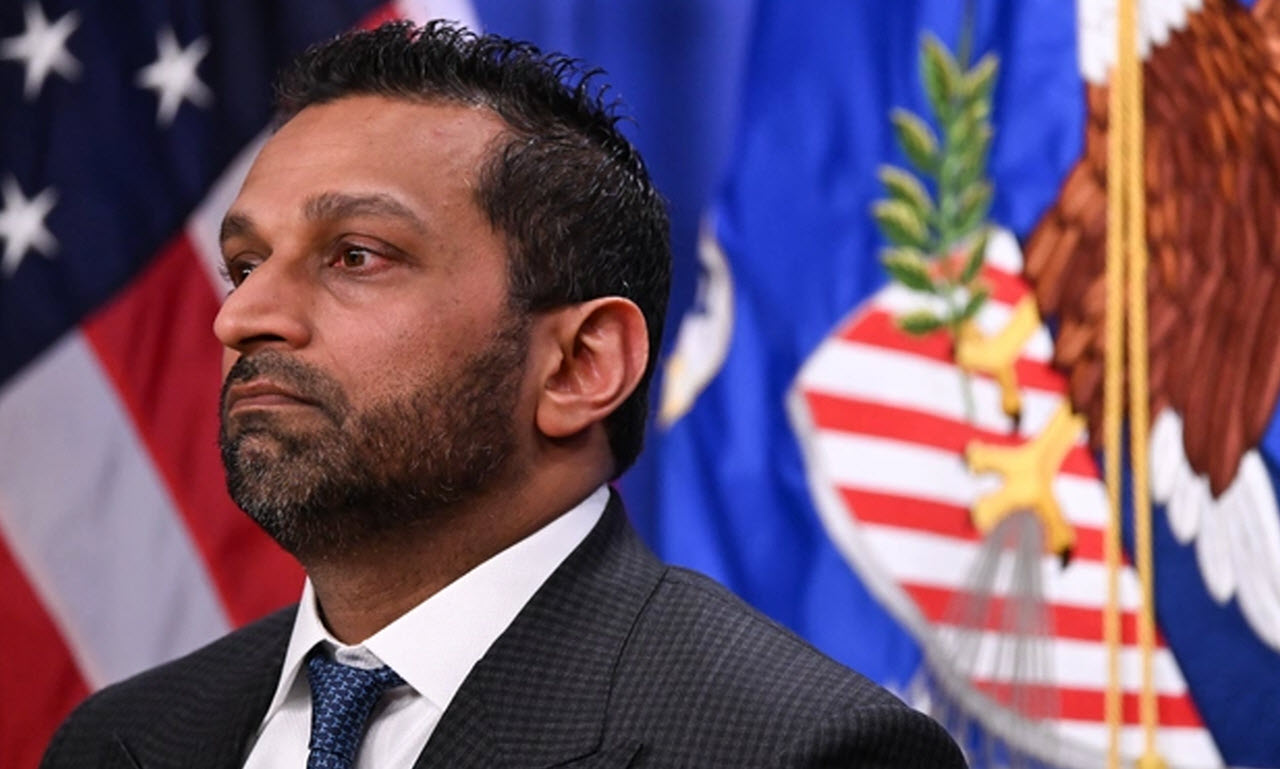
The hunter just realized he was being hunted from inside his own pocket.
But sometimes, even the hunters forget they are also the prey. And the hunter in this story was about to watch his private life spill onto every screen in the capital.
The timing was no accident. It never is. The desert was still burning from American and Israeli strikes. Missile sites and nuclear hubs were turned to ash.
So the hackers waited. They stayed quiet in the dark. They gathered their strength while the world looked the other way.
A war fought with code leaves deeper scars than any missile strike.
And then they fired back. Not with missiles, but with data. It was a calculated strike designed to strip away the armor of the most powerful officials in the West.
The group calls themselves Handala. They claim ties to the heart of Iranian intelligence. And they wanted the world to see the man behind the badge.
They did not go after the secure servers. They did not try to kick down the doors of the Pentagon. They found a softer way in.
The most secure man in America left his back door wide open.
A simple personal email account. A place for memories. A place for the life lived before the high-stakes world of federal power took over.
And the photos were not what anyone expected to see from a Director.
The images began to flicker across the web. There was Patel. Posing in front of a mirror. A massive bottle of rum in his hand.
A single mirror selfie just became a weapon of international proportions.
Then there were the cigars. The smoke curling around the face of a man who looked untouchable.
And then there was the convertible. An antique. A relic of a time when he was just a man with a career ahead of him.
The screen glowed with the weight of three hundred private emails. A decade of life laid bare for the enemy to sift through.
Ten years of private thoughts are now public property.
The group was triumphant. They boasted that he was just another name on a long list of victims.
They had done this before. They had hit medical tech companies. They had gone after defense giants. But this felt different.
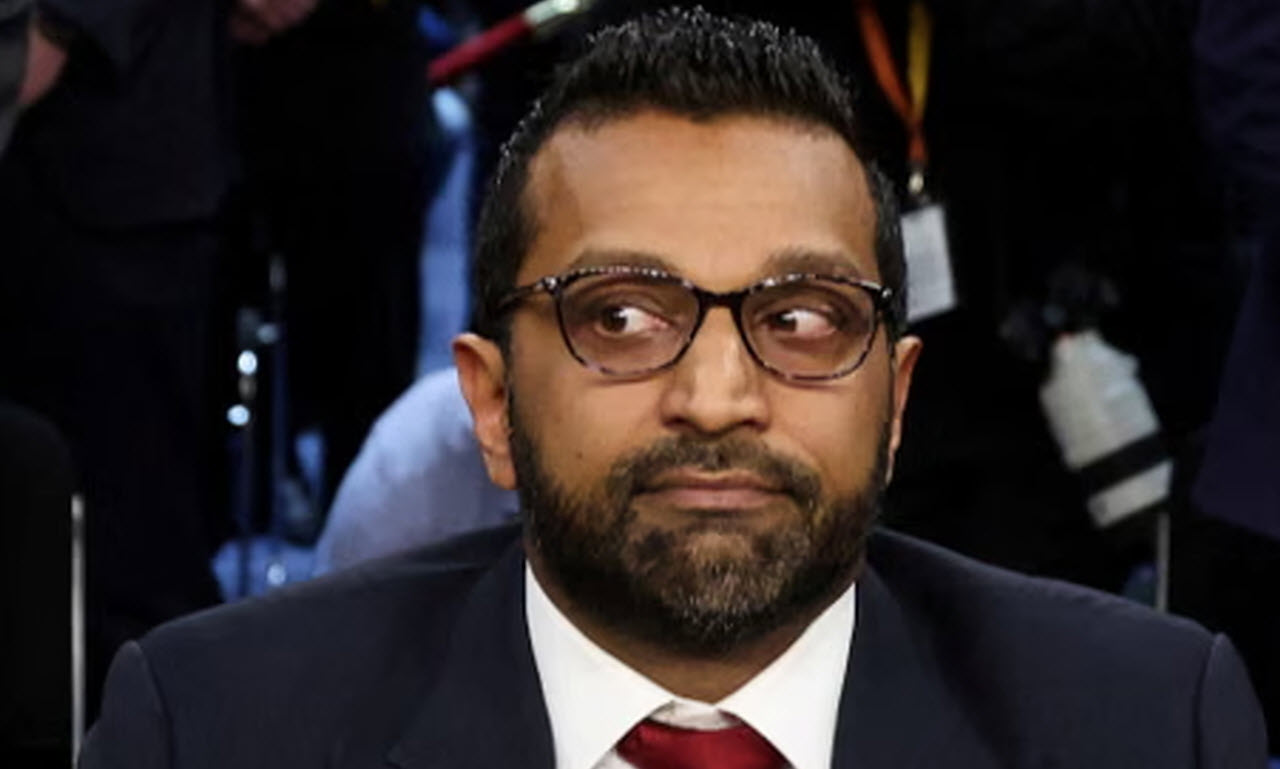
The air in Washington turned cold as the screenshots began to circulate. This was not just a data breach. It was a message.
The Director’s private life is now the world’s entertainment.
If we can see your bathroom mirror, we can see everything.
But the Bureau stayed calm. At least on the surface. They spoke about mitigation. They spoke about risks being handled.
The official word was steady. “We have taken all necessary steps to mitigate potential risks associated with this activity,” the spokesperson said.
You can change a password but you cannot delete the internet’s memory.
They wanted everyone to know the data was old. That it was historical. That no state secrets were hidden in those files.
But the damage was already done. The feeling of vulnerability was the real weapon.
It was a tactic from an old playbook. A way to make the giants feel small. To remind them that their pockets are never truly sealed.
The giants are realizing that no one is truly invisible in the digital age.
And the threat is far from over. There is talk of more data. Gigabytes of secrets belonging to the inner circle of the White House.
The war is no longer just in the trenches or the skies. It is in the pockets of the people we trust to keep us safe.
The Director was warned. He knew they were coming. And yet, the world still saw him with that bottle of rum.
The warning was ignored and now the world is watching the fallout.
So the questions remain. Who else is being watched? And what happens when the next link breaks?
The screens are still glowing. The data is still there. And the silence from the top is the loudest thing in the room.
