
The woman stood in the middle of Central Park and reached for her phone. It was a 2020 afternoon that felt like any other, but the air was heavy with a tension no one could name yet.
She pulled the leash, she raised her voice, and she made a call that would echo for years. And just like that, a common name from the 1960s was transformed into a digital tactical weapon.
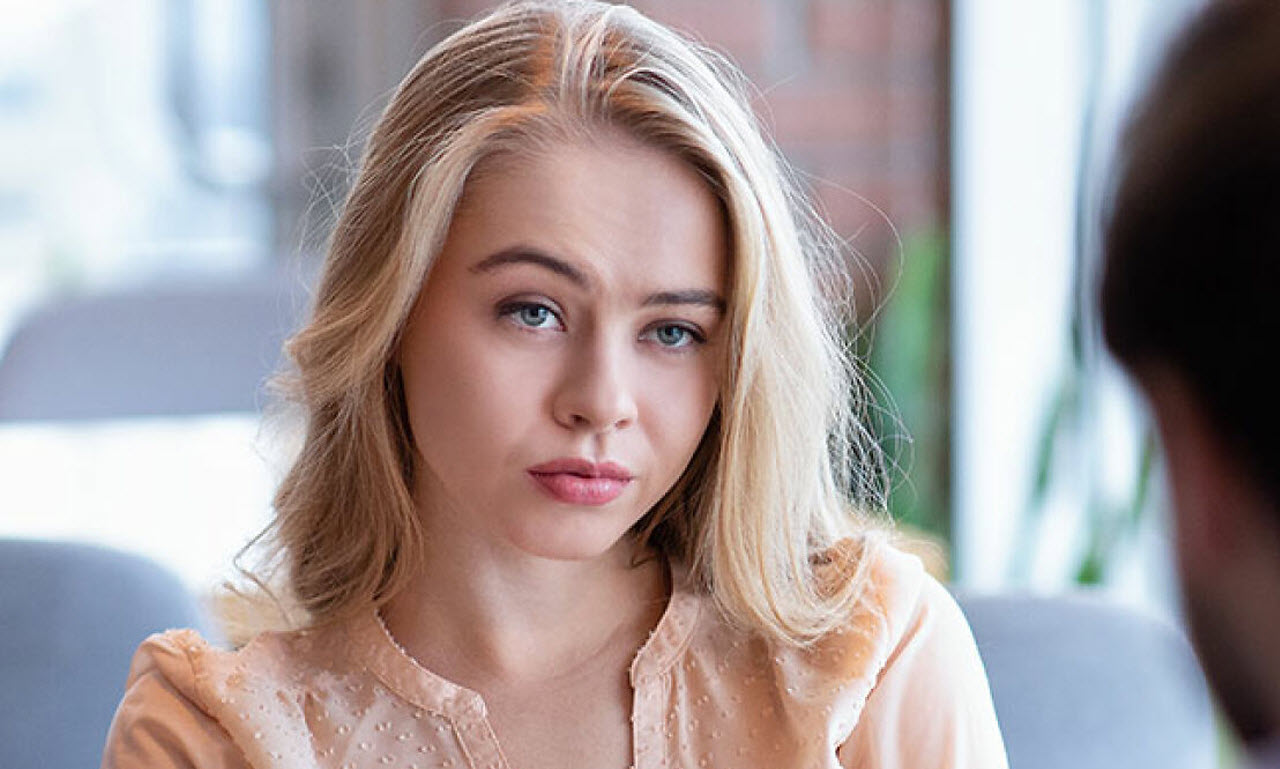
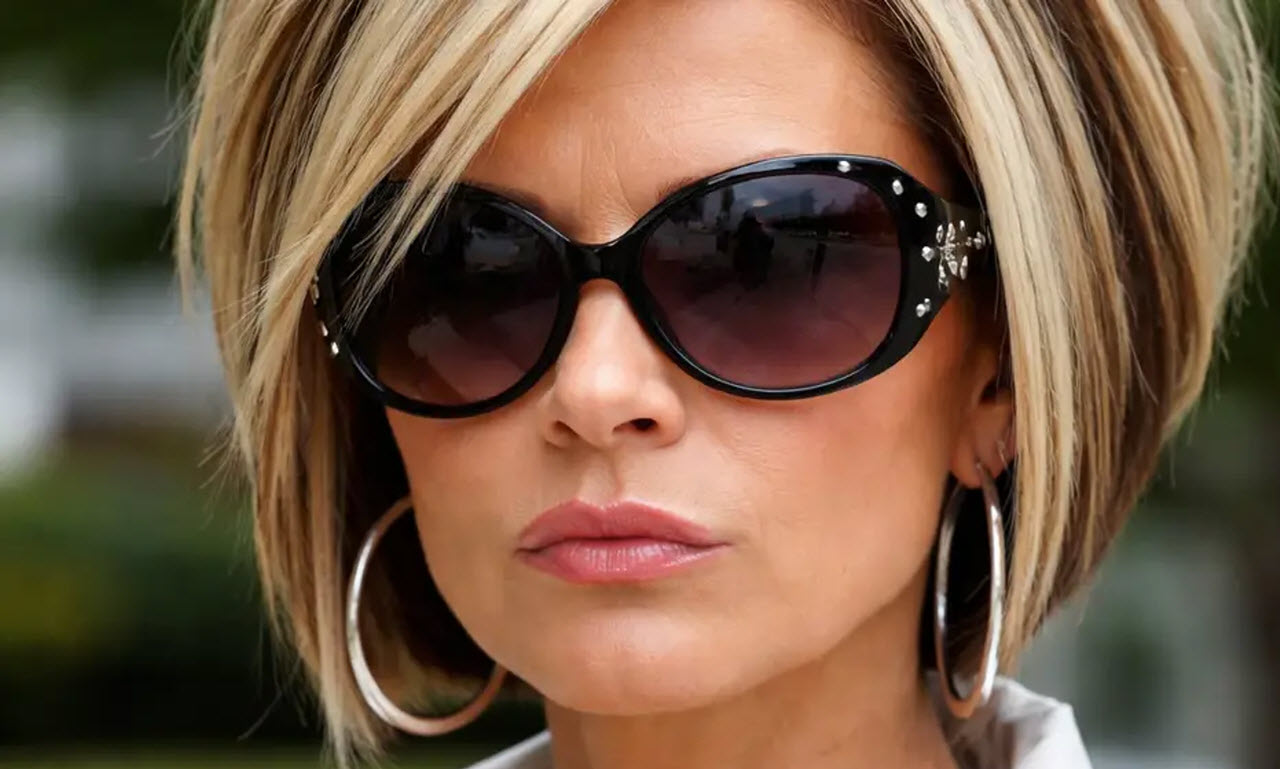
So the world watched as Karen became the face of entitlement. It was the bob haircut, the demand to see a manager, and the perceived privilege that fueled a million different memes.
But while the internet was busy laughing at the middle-class trope, a silent fear began to grow in the suburbs. Women with that name started to realize they had lost their actual identity.
The bob was now a target on their backs.
ts called it the year of the Karen, but for the people living it, the joke stopped being funny very fast. It became a way to police behavior and tell women to just shut up.
One author admitted she sat in silence while a man coughed and spat near her during a global pandemic. She had a right to be angry, but she was more afraid of being caught on camera.
She chose the risk of illness over the risk of becoming a viral villain. It was a social cage built out of four simple letters, and there seemed to be no way for anyone to escape it.
A name can be a heavy crown or a jagged shard of glass.
Then Gen Z entered the chat with a different kind of energy. They decided the old labels were tired, and they started pointing fingers at their own peers to find a fresh sacrificial lamb.
A viral TikTok racked up forty thousand likes in a heartbeat. The creator claimed that millennials were trying to decide their own version of the villain, and the names started flying.
Names like Ashley, Tiffany, and Heather were tossed into the ring like meat. But the comments section didn’t hesitate, and they rallied behind one specific name with a chilling speed.
The crowd decided the new Karen was actually a Jessica.
But while the kids were arguing on social media, a massive mountain of data was being climbed by researchers. They wanted to know who was actually making life miserable for staff.
Trustpilot looked at over two hundred million reviews to find the real kings of the one-star rating. And the results didn’t point toward the women in the bob haircuts at all.
The data showed that men are actually far more likely to be the ones losing their minds over a bad sandwich or a late delivery. And one specific name sat at the very top.
The spreadsheet revealed a truth that the memes had conveniently ignored.
In the UK, the biggest complainer in the country is a man named David. He has left more negative reviews than anyone else, followed closely by Paul, John, Chris, and a man named Mark.
Out of the top ten names most likely to ruin a manager’s day, only one woman made the list. Sarah sat at number seven, surrounded on all sides by men who just weren’t happy.
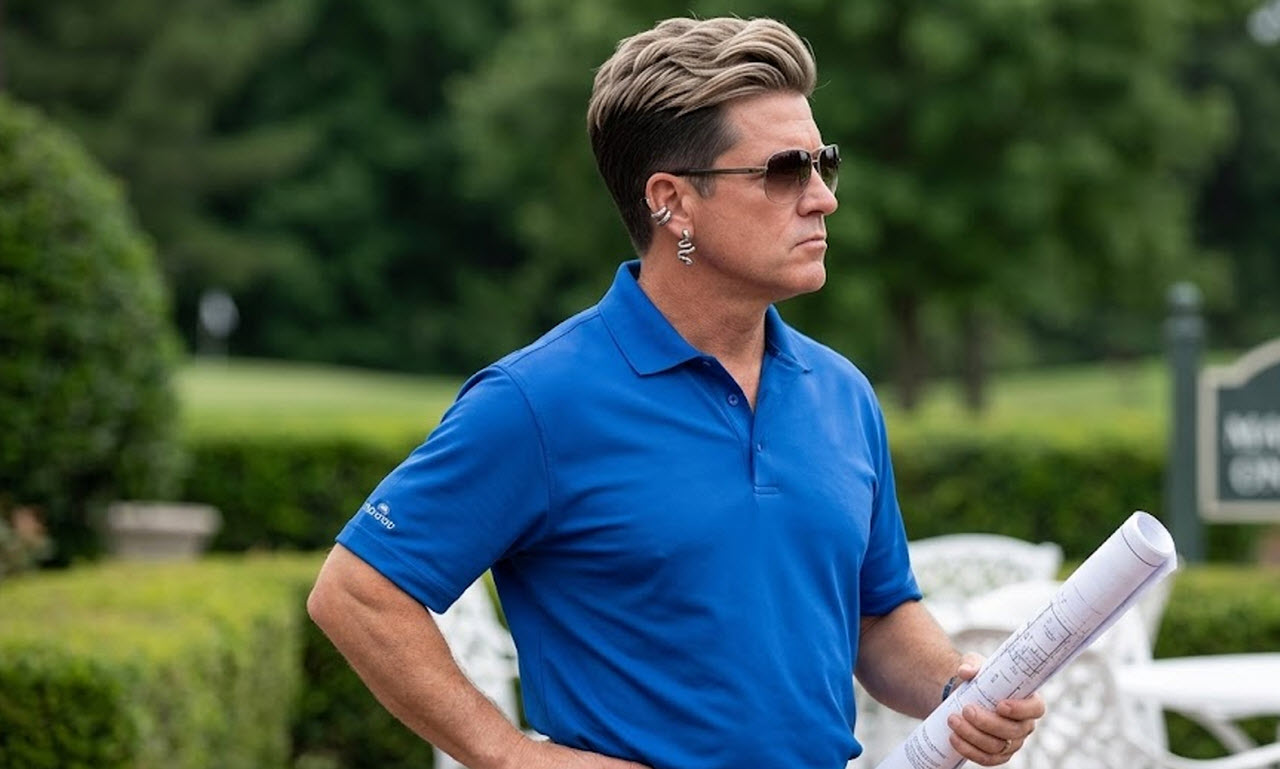
And across the ocean in America, the story was even more lopsided. The king of the one-star review isn’t a Karen, or even a Jessica. In the United States, that crown belongs to John.
John has filed nearly nine thousand one-star reviews since the platform launched. He is the one shouting about electronics, fashion, and insurance while the world looks the other way.
The loudest voice in the room was wearing a suit, not a bob.
The backlash to this data was instant and emotional. One mother pleaded for the public to stop, terrified that her young son David would be bullied before he even reached high school.
She didn’t want his birth name associated with toxic behavior. Another woman defended her late husband, insisting that Dave was the sweetest man to ever walk the earth.
So the cycle continues as we look for new ways to label the people who annoy us. We trade one name for another, hoping to find a word that finally makes the frustration feel justified.
But the numbers don’t lie, even if the memes do. Before you pull out a camera to record a woman in a grocery store, you might want to check the username of the person typing the review.
The biggest villain in the story might just be a guy named John.
