
The kitchen table is set for four but only two people are sitting there. The roast is getting cold. The phone is face down on the wood. Another Sunday night passes without a ring.
It is a scene playing out in suburbs and cities everywhere. Parents are left wondering why the people they raised have suddenly become ghosts.
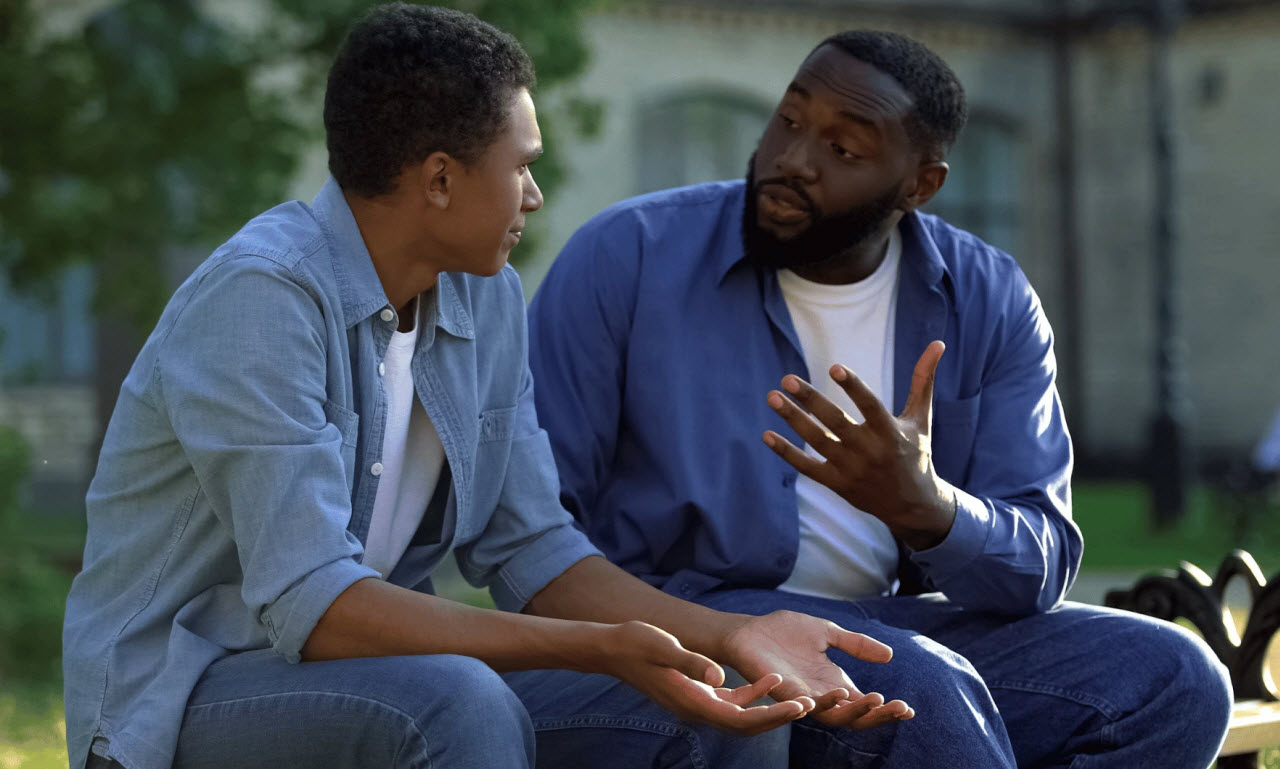
They blame the new job. They blame the move to the city. They think it is just the chaos of being an adult. But usually the silence started building years before the move ever happened.
Family bonds are sold to us as unbreakable. We are told blood is a permanent contract. But for many adult children that contract feels more like a debt. They are not drifting away because they are busy. They are drifting away because it is the only way to breathe.
Then the guilt started to set in.
The first crack is usually logistics. You graduate. You find a partner. You start a career. Suddenly your time is a currency you do not have enough of. The soul searching phone calls feel like a tax you cannot pay. The weekend visits become a chore.
Pew Research Center data confirms that even in loving families, the weight of busy schedules and moving away are the most common reasons contact starts to slip.
The Journal of Population Ageing says physical distance is a slow killer. It acts like a weed. It chokes out the small daily interactions. When you stop sharing the little things the big things feel too heavy to carry. The spark dies down. You become strangers who happen to share a last name.

Research from PubMed suggests that simply “checking the box” with a quick call doesn’t build closeness. But miles are rarely the real reason for the wall.
So they stopped picking up the phone.
You can live in the same house and still be on separate planets. Emotional distance is the true hurdle. It is built out of the things that were never said. It is the apology that never came after a blow up in high school. It is the feeling that you are only loved for who your parents want you to be.
The Journal of Marriage and Family notes that unresolved tension is a heavy guest at every holiday dinner. It makes every joke feel like a jab. It makes every question feel like an interrogation. So the child stops showing up. They decide that being alone is better than being misunderstood.
Lowering the guard takes a kind of courage most people are too tired to find. They do not want to fight. They just want peace.
But peace comes at a very high price.
Sometimes the gap is just a misunderstanding. Parents assume the door is always open. Children assume they are a burden. It is a cycle of crossed wires. One side thinks they are giving space. The other side thinks they are being forgotten.
Research in the Journal of Family Communication says micro check ins are the actual glue. It is the three word text. It is the five minute call. When those stop the foundation cracks. You stop being a family and start being an obligation. You move further away without even realizing the bridge is gone.
But there is a darker reason for the quiet.
The truth was hidden in plain sight.

Some children grew up in houses where their emotions were an inconvenience. They were told their feelings did not matter. They were dismissed. They were told to get over it. So they did. They got over it by moving on without their parents.
The American Psychological Association says our childhood programming runs our adult lives. If you were not heard as a child you do not feel safe being vulnerable as an adult. You keep people at a distance to survive. You keep the talk on the surface because the deep end feels like a trap.
Then there is the parent who needs to be the center of the universe. Their needs come first. Their drama is the only drama. The child is just a supporting character in someone else’s movie.
Narcissism is a slow poison for a family tree. It makes the child feel invisible. They grow up and realize they have been performing for twenty years. So they quit the show. They choose their own mental health over their parent’s ego.
When the visits stop the parent often looks for someone to blame. They blame the spouse or the world. They never look at the mirror.
The distance is never about one single explosion. It is a pile of bricks. A missed birthday. A cutting remark. A lack of support when life got hard. It builds up until the child finally chooses themselves.
But the story does not have to end in silence.
