
British officials have warned their citizens in the United Arab Emirates to avoid photographing or sharing images connected to recent missile attacks. The message came after authorities charged a British man in Dubai, raising concerns about how quickly routine recordings could violate strict local cybercrime laws.
The embassy posted the notice on X and reminded travelers that local laws apply fully to visiting foreigners. “British nationals are subject to UAE laws, violations may lead to fines, imprisonment, or deportation,” the embassy said, making it clear that filming incidents or damage could carry serious legal consequences.
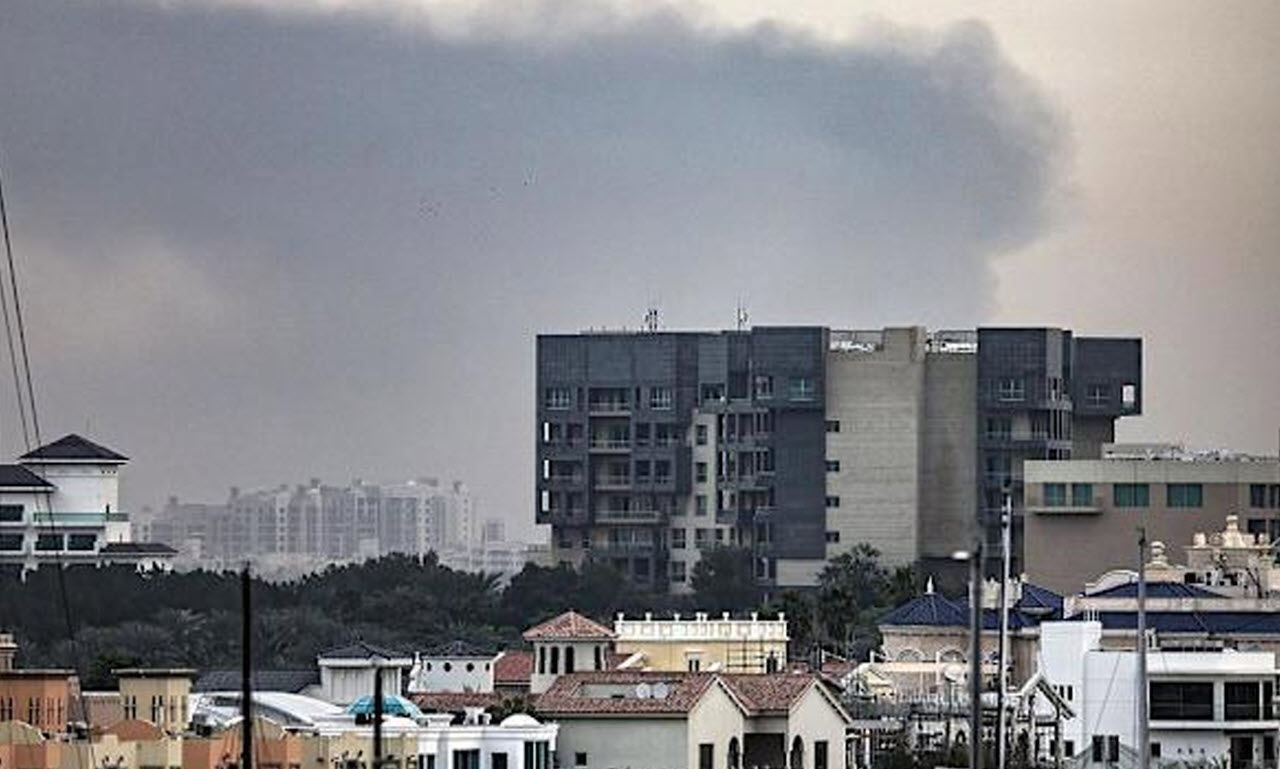
Officials also highlighted restrictions on documenting sensitive locations after missile strikes. The embassy explained that authorities had specifically warned residents and visitors not to record scenes connected to the attacks or government sites, saying, “UAE authorities warn against photographing, posting, or sharing images of incident sites or projectile damage as well as government buildings and diplomatic missions.”
The alert followed a case involving a 60-year-old British man who was reportedly detained after investigators discovered footage of a missile strike stored on his phone. According to reports shared with the BBC, the video allegedly violated rules banning material considered a threat to public security.
Radha Stirling, who leads the advocacy group Detained in Dubai, said authorities have broadened the investigation. She explained that 21 individuals have been “charged together under the UAE’s cyber-crime laws in connection with videos and social media posts relating to the recent missile strikes”, reflecting a wider crackdown.
Stirling argued the enforcement effort may also be about image control, suggesting the government wants to limit visible evidence of attacks. She said officials appear determined to “maintain the facade that it is safe for tourists”, especially as the region deals with escalating conflict and international attention.
Government officials say the restrictions are meant to protect public safety and social stability. Lana Nusseibeh, the UAE’s minister of state to the European Union, told the BBC that “the basis of the legislation” regulating information sharing was designed so that people living or visiting the country would “for everyone to feel safe”.
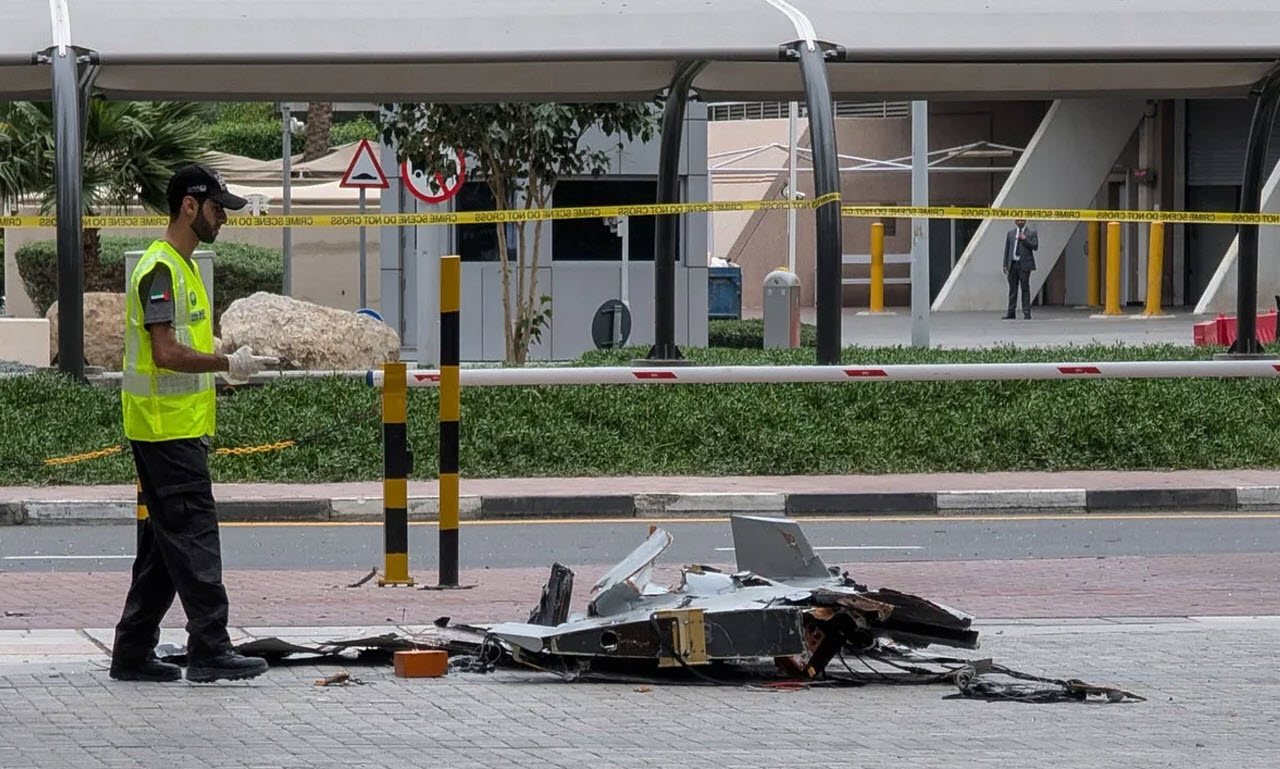
The warnings come as tensions across the Middle East continue to escalate, affecting places normally known for tourism and luxury. Dubai, long marketed as a safe destination for international travelers, has now seen visible damage to well known landmarks as regional hostilities spread.
The broader conflict entered its second week after military action between the United States, Israel, and Iran intensified. Iran has continued retaliatory missile attacks after airstrikes killed the country’s supreme leader on 28 February, sending shockwaves across neighboring states and raising concerns about stability.
Several famous locations in the Emirates have reportedly suffered damage during the attacks. Among the sites affected were the Fairmont The Palm hotel on Palm Jumeirah and the well known Burj Al Arab, two landmarks that normally symbolize Dubai’s reputation for luxury tourism.
